
|
Text: |
Urs Schnyder |
|
Pictures: |
Urs Schnyder & Michael E. Fader |


The audience before and during the air show (Picture courtesy Michael E. Fader)


(Picture courtesy Michael E. Fader)
(Picture courtesy Michael E. Fader)
(Picture courtesy Michael E. Fader)
(Picture courtesy Michael E. Fader)


(Picture courtesy Michael E. Fader)
(Picture courtesy Michael E. Fader)
(Picture courtesy Michael E. Fader)
(Picture courtesy Michael E. Fader)
(Picture courtesy Michael E. Fader)
Wingwalkers
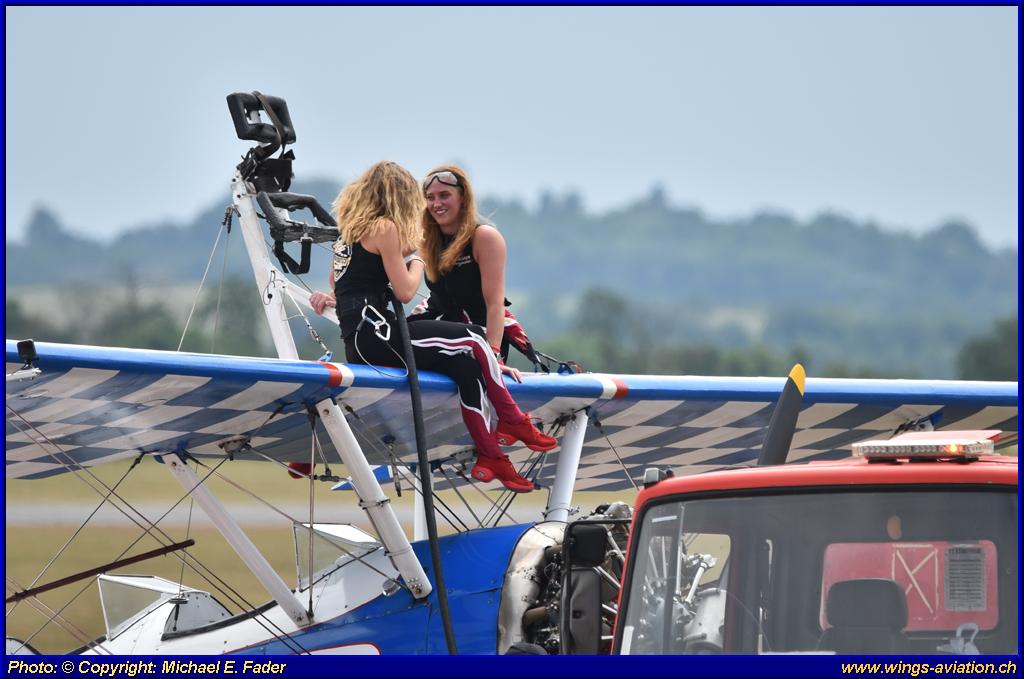
The AeroSuperBatics are now present on the airshow scene for over forty years. The Stearman biplanes have been modified for the task by adding ailerons to the top wing and replacing the engine with a 450 hp unit.
The aircraft take off with the girls in the cockpit, from which they then climb to the top wing and attach themselves to the special rig on the wing. There they perform their different figures while the planes are going trough their routine of aerobatics. Shortly before landing they climb back into the cockpit. With the weather as it was, a cold wind blowing, one could feel sorry for the girls on top of the wing, exposed to the slipstream and only dressed in a thin leather suit.


(Picture courtesy Michael E. Fader)
(Picture courtesy Urs Schnyder)
(Picture courtesy Urs Schnyder)
(Picture courtesy Urs Schnyder)
(Picture courtesy Urs Schnyder)


(Picture courtesy Urs Schnyder) 6
(Picture courtesy Michael E. Fader)
(Picture courtesy Urs Schnyder) 8
(Picture courtesy Urs Schnyder)
(Picture courtesy Urs Schnyder)


(Picture courtesy Urs Schnyder)
(Picture courtesy Urs Schnyder)
(Picture courtesy Michael E. Fader)
(Picture courtesy Urs Schnyder)
(Picture courtesy Michael E. Fader)


(Picture courtesy Michael E. Fader)
(Picture courtesy Michael E. Fader)
(Picture courtesy Michael E. Fader)
Refueling the plane (Picture courtesy Michael E. Fader)
Smal chat on the wing (Picture courtesy Michael E. Fader)
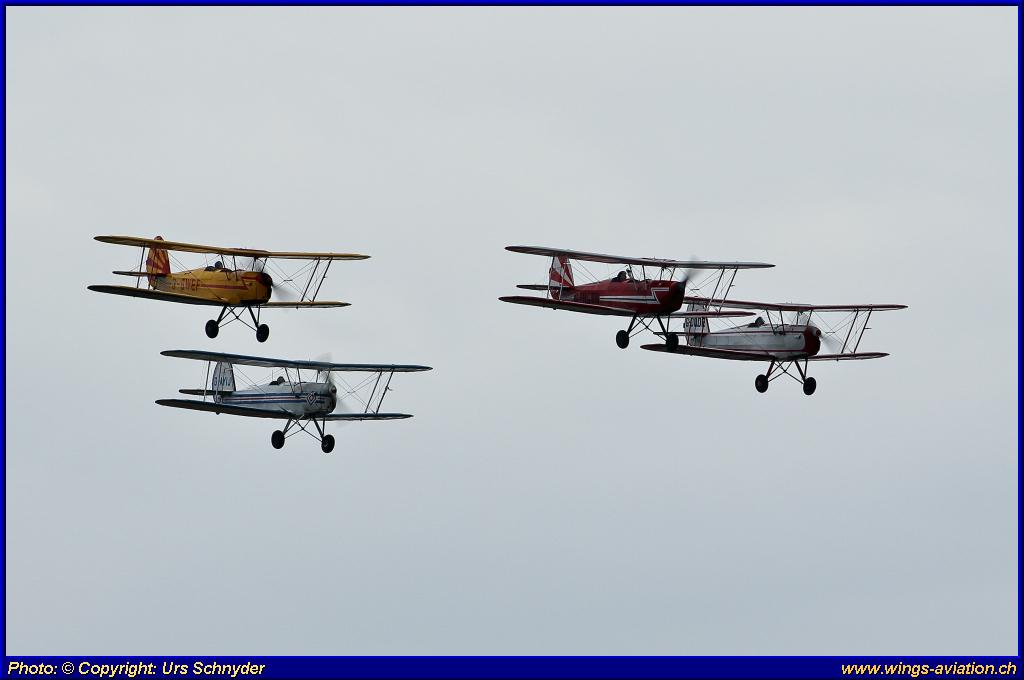
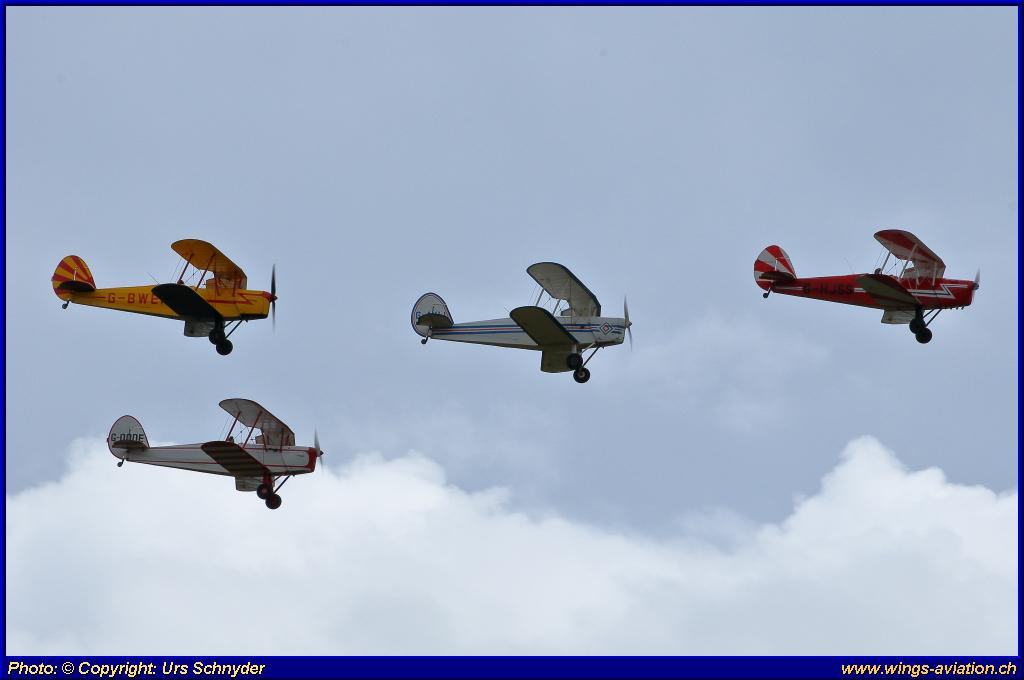
Stampe Formation
Often mistaken for a Tiger Moth the Stampe S4C is of course a Belgian designed aeroplane. It was built by Stampe and Vertongen at Antwerp having its first flight in 1933. Production figures were not great, with only 33 built before the war. It was only after the war that bigger numbers were produced with 65 for Belgium and 700 in France under license as a basic trainer for the French Air Force. Surprisingly 150 were manufactured in Algeria. The aircraft was used in aerobatic competitions until the 1960s.



(Picture courtesy Urs Schnyder)
(Picture courtesy Urs Schnyder)
(Picture courtesy Urs Schnyder)
(Picture courtesy Urs Schnyder)
(Picture courtesy Urs Schnyder)


(Picture courtesy Urs Schnyder)
(Picture courtesy Urs Schnyder)
(Picture courtesy Urs Schnyder)
(Picture courtesy Urs Schnyder)
(Picture courtesy Urs Schnyder)
Thunder Formation
The classic B-17 Flying Fortress with its escort the Thunderbolt P-47. This year marks 80 years since Sally B rolled off the production line in the US. Too late for the war, it spent its next 30 years in survey and research. In 1975 it came to Duxford where it has been based since. At the time of writing, it is the only airworthy B-17 in Europe and will be for some time, provided the French pink Lady gets airborne again as planned. The one person that is almost synonymous with Sally B is Elly Sallingboe who is the driving force behind the organisation that keeps it airworthy.
The P-47 is also well known at Duxford. Until it left for the US in 2007, it was flying with the fighter collection. In 2018 it returned to the UK in the colours of the 48th Fighter Groups 492nd Fighter Squadron.

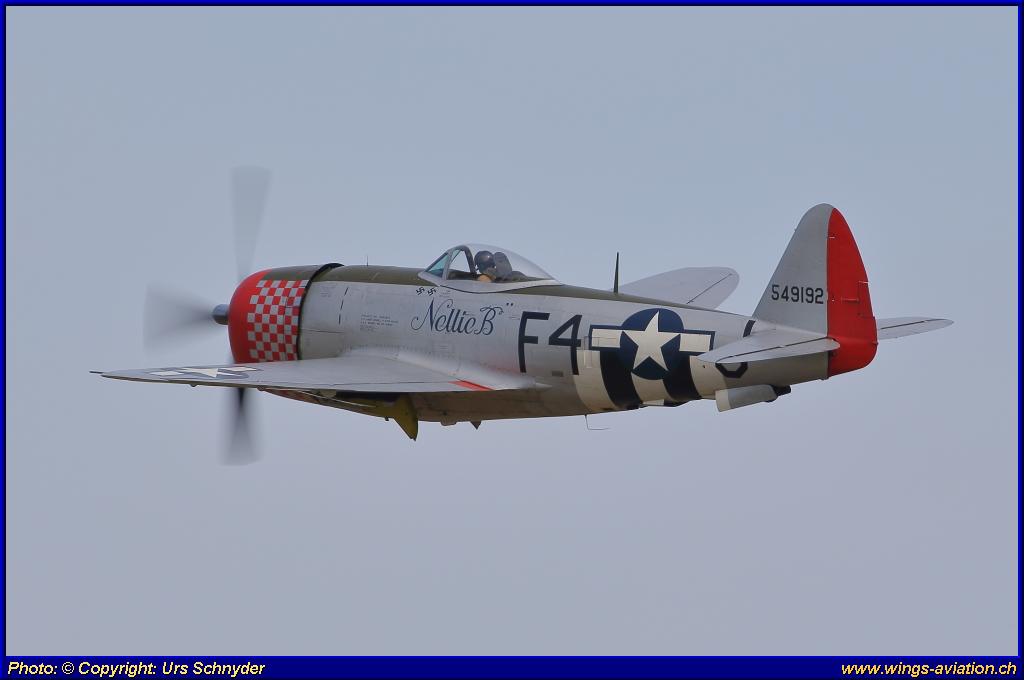
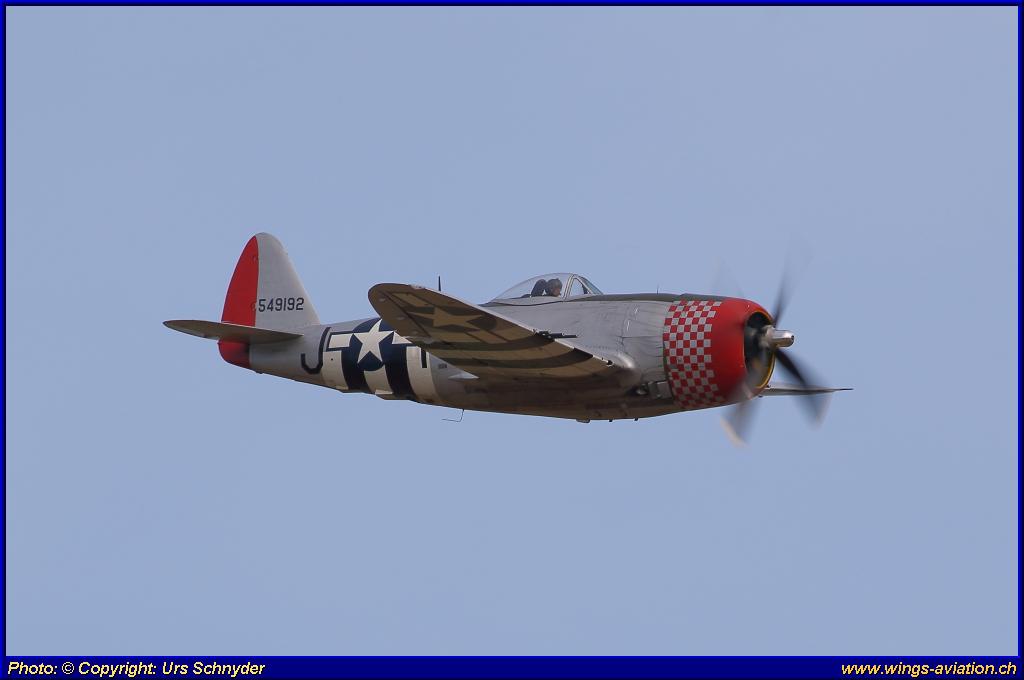


(Picture courtesy Michael E. Fader)
(Picture courtesy Urs Schnyder)
(Picture courtesy Urs Schnyder)
(Picture courtesy Michael E. Fader)
(Picture courtesy Urs Schnyder)

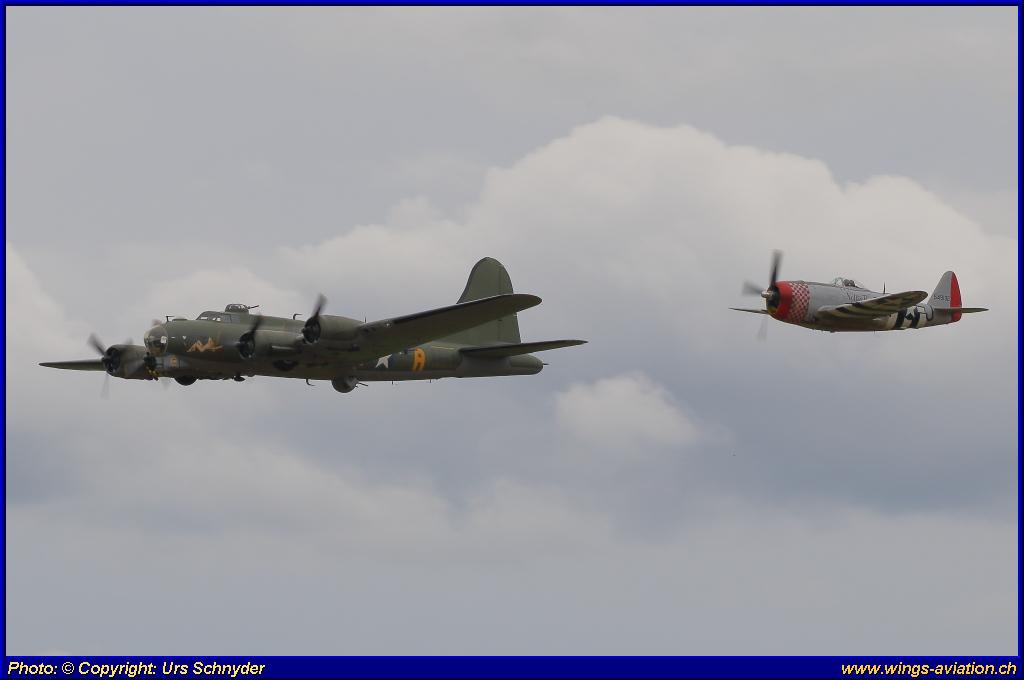

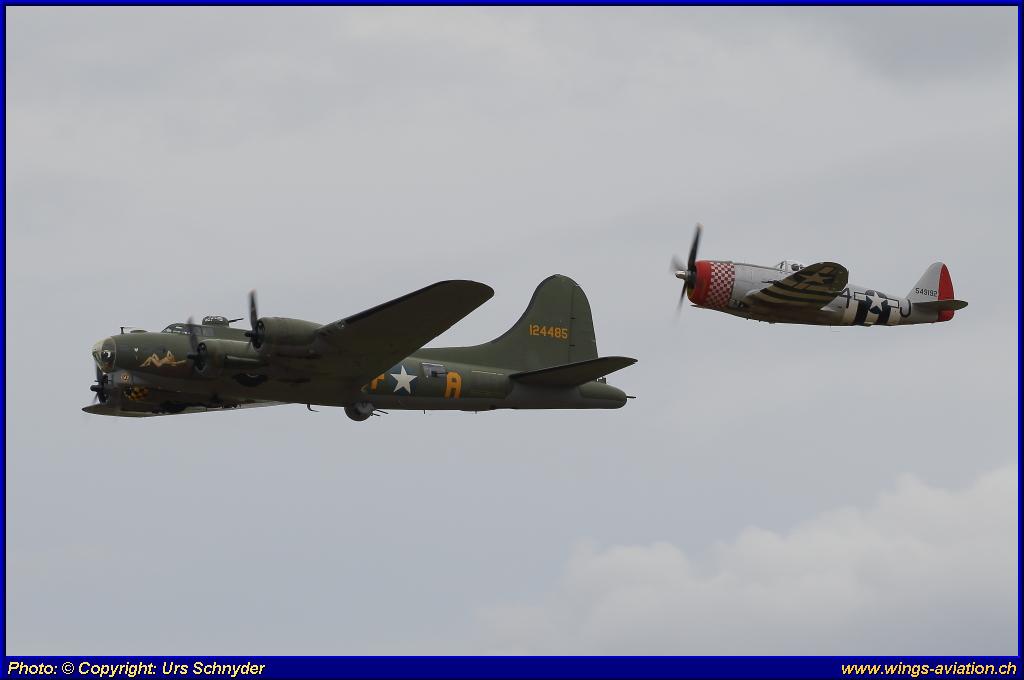

(Picture courtesy Michael E. Fader)
(Picture courtesy Urs Schnyder)
(Picture courtesy Urs Schnyder)
(Picture courtesy Urs Schnyder)
(Picture courtesy Urs Schnyder)


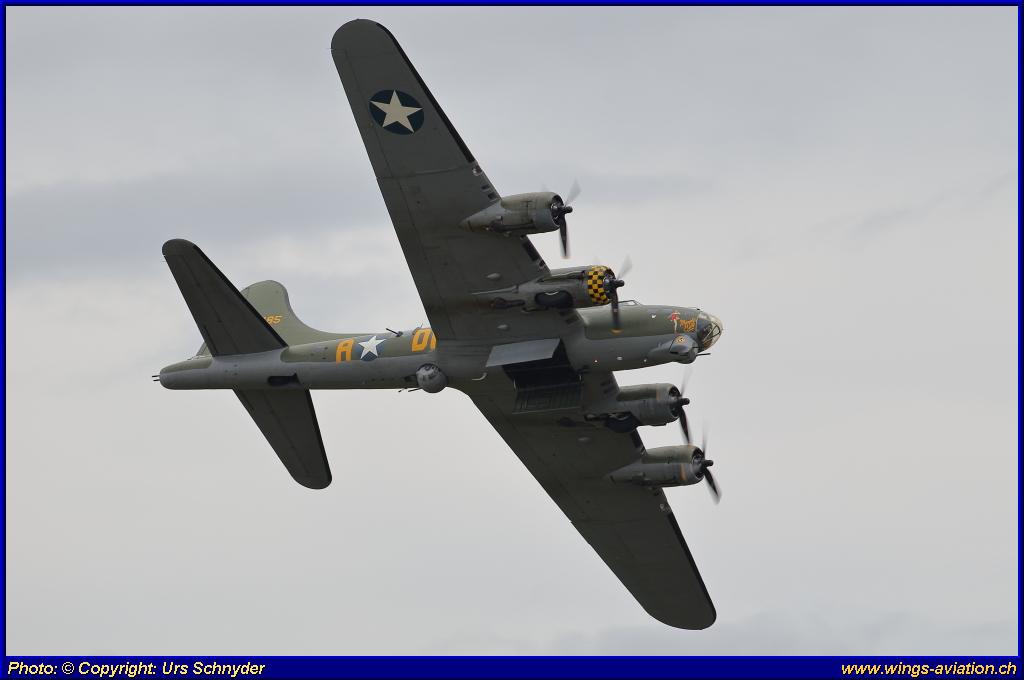
(Picture courtesy Michael E. Fader)
(Picture courtesy Michael E. Fader)
(Picture courtesy Urs Schnyder)
(Picture courtesy Urs Schnyder)
(Picture courtesy Urs Schnyder)
Trainers
These were originally intended to be all British trainers, but somehow a Yak sneaked into the formation in place of a Tiger Moth. The different aircraft also show the changing philosophies of training, from side to side to tandem seating and vice versa.
Despite originating in 1946 in Canada, the Chipmunk doesn’t show its age. It was only retired from RAF service in 1990 when many of them were bought by private operators who still fly them. The replacement for the Chipmunk was the Scottish Aviation Bulldog. Interestingly the first customer was not the RAF but the Swedish Air Force who operated 78 of them. The RAF used their 130 for primary training and the University Air Squadrons. They were finally replaced by the Grob Tutor that was also on display during the weekend.
The Jet Provost was instrumental in realizing the RAF all jet flying training. The aircraft on display was a T5, also sold abroad under the name Strikemaster.


(Picture courtesy Urs Schnyder)
(Picture courtesy Michael E. Fader)
(Picture courtesy Michael E. Fader)
(Picture courtesy Urs Schnyder)
(Picture courtesy Michael E. Fader)


(Picture courtesy Urs Schnyder)
(Picture courtesy Urs Schnyder)
(Picture courtesy Urs Schnyder)
(Picture courtesy Urs Schnyder) 6
(Picture courtesy Urs Schnyder) 10


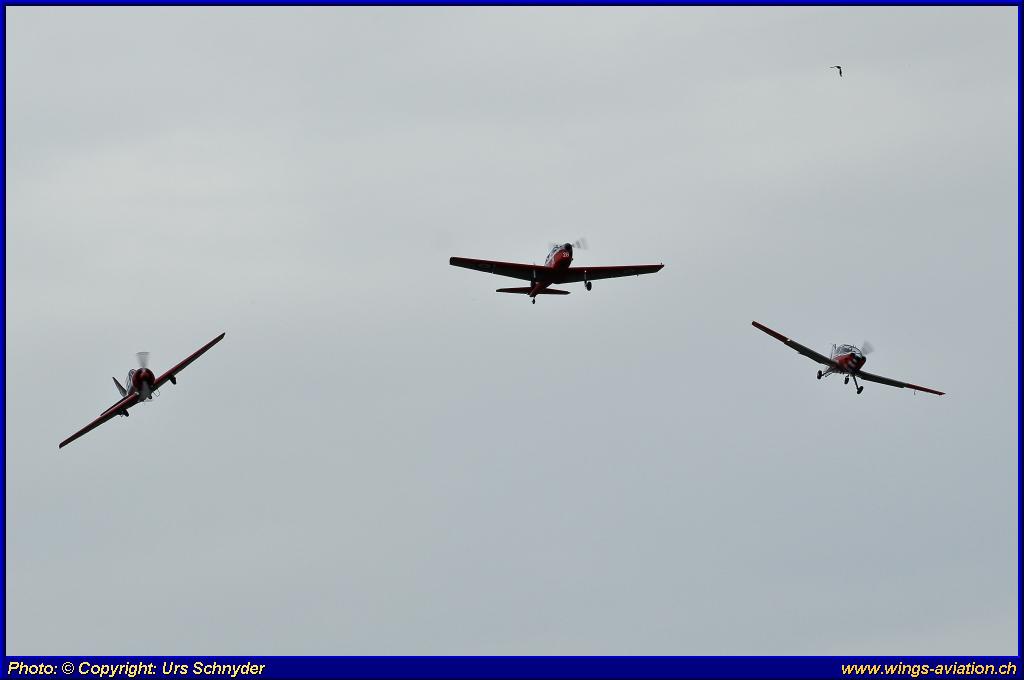
(Picture courtesy Michael E. Fader)
(Picture courtesy Michael E. Fader)
(Picture courtesy Urs Schnyder) 7
(Picture courtesy Urs Schnyder)8
(Picture courtesy Urs Schnyder) 9
The Starlings
The two members of the team, Tom Cassells and Michael Pickin are both former aerobatic champions with a combined experience of 50 years. Unlike other teams they do not fly the same aircraft. Their mounts are a Mudry Cap 232 and an Extra 300NG, a fact that makes their performance a bit more challenging than if they were flying the same type of aircraft. Both aircraft have no aerobatic limits.


(Picture courtesy Urs Schnyder)
(Picture courtesy Urs Schnyder)
(Picture courtesy Urs Schnyder)
(Picture courtesy Urs Schnyder)
(Picture courtesy Urs Schnyder)


(Picture courtesy Urs Schnyder)
(Picture courtesy Urs Schnyder)
(Picture courtesy Urs Schnyder)
Typhoon FGR4
This year’s display pilot on the Typhoon is Squadron Leader Nathan Shawyer from 29 Squadron at RAF Coningsby. The Typhoon is the result of cooperation between different European countries when Britain was still part of the European Union. Britain, Germany, Italy and Spain developed what is still one of the most capable combat aircraft. The airframe is mostly made up of carbon fibre composites and light alloys. Two Eurojet turbofans give it a maximum speed of Mach 2 and a ceiling of 55’000 feet. As expected the display was loud and showed of the agility of the aircraft.


(Picture courtesy Urs Schnyder)
(Picture courtesy Urs Schnyder)
(Picture courtesy Urs Schnyder)
(Picture courtesy Michael E. Fader)
(Picture courtesy Michael E. Fader)


(Picture courtesy Urs Schnyder)
(Picture courtesy Michael E. Fader)
(Picture courtesy Michael E. Fader)
(Picture courtesy Urs Schnyder)
(Picture courtesy Urs Schnyder)
Team Raven
The biggest aerobatic team of the weekend was the team Raven. Flying seven Vans RV-8 for the first time this year, the team was formed back in 2014. They must be one of the very few teams that do not depend on a sponsor, being entirely self financed.
Their mount is the compact two-seater RV-8 with a 180 hp engine that is fully aerobatic and can be built by your self from kits supplied. The only difference between the Ravens and a standard aircraft is the added smoke system. They were a worthy successor to the reds.


(Picture courtesy Urs Schnyder)
(Picture courtesy Urs Schnyder)
(Picture courtesy Urs Schnyder)
(Picture courtesy Urs Schnyder)
(Picture courtesy Urs Schnyder)


(Picture courtesy Michael E. Fader)
(Picture courtesy Urs Schnyder)
(Picture courtesy Urs Schnyder)
(Picture courtesy Urs Schnyder)
(Picture courtesy Urs Schnyder)
Our thanks go to Sandy Davidson from IWM for providing press facilities.
