
|
Text: |
Michael E. Fader |
|
Pictures: |
Urs Schnyder & Michael E. Fader |


(Picture courtesy Urs Schnyder
(Picture courtesy Michael E. Fader)
With around 100 aircraft, the ‘Air Legend’ 2026 event, held over the weekend of 5 and 6 September at Melun-Villaroche Airfield, some 40 kilometres south of Paris, offered an impressive overview of more than a century of aviation history. On display were aviation icons such as the North American P-51 Mustang and the Boeing B-17 ‘Flying Fortress’ – both of which had already become famous during the Second World War – as well as a modern contingent from the French armed forces. These included, amongst others, the NH90 Caiman transport helicopter, the Tigre attack helicopter and the French Navy’s Rafale M.
The flight programme offered great variety, combining historic classics with modern jets and helicopters. With perfect weather, ‘Air Legend 2026’ attracted around 35,000 spectators to Melun-Villaroche and can therefore look back on a successful event. Once again, the days were packed with activity from sunrise to sunset.
In less than a decade, Air Legend has become one of Europe’s leading events for historic aircraft and military aviation. The historic venue, a varied flight programme and the unique blend of aviation history and modern air power attract visitors and enthusiasts from across Europe year after year.
This makes it all the more remarkable that this year’s event took place under new management. Air Legend was organised by Éditions Larivière, the publisher behind *Le Fana de l’aviation*, in collaboration with Amara Airshow. For the first time, however, a figure inextricably linked to the history of Air Legend was absent: Christian Amara, a passionate aircraft collector and founder of the "Air Legend" air shows, passed away on 10. February 2025 at the age of 85.
For many years, Amara was regarded as the heart and driving force behind the event. Since its inception in 2018, Air Legend has developed into one of France’s major air shows, thanks in large part to his significant contribution. His enthusiasm, his passion for historic aircraft and his tireless dedication had a decisive influence on the character of the event. The fact that Air Legend continues to run even after his death and maintains its place in the European airshow calendar is therefore not only an organisational achievement – but also, to some extent, a continuation of his legacy. The aircraft that fly over the historic Villaroche site today thus not only tell the story of aviation history, but also keep alive the memory of the man who brought this extraordinary event to life.



(Picture courtesy Michael E. Fader)
(Picture courtesy Michael E. Fader)
(Picture courtesy Michael E. Fader)
(Picture courtesy Michael E. Fader)


(Picture courtesy Michael E. Fader)
(Picture courtesy Michael E. Fader)
(Picture courtesy Urs Schnyder
(Picture courtesy Michael E. Fader)
(Picture courtesy Michael E. Fader)
Paratrooper
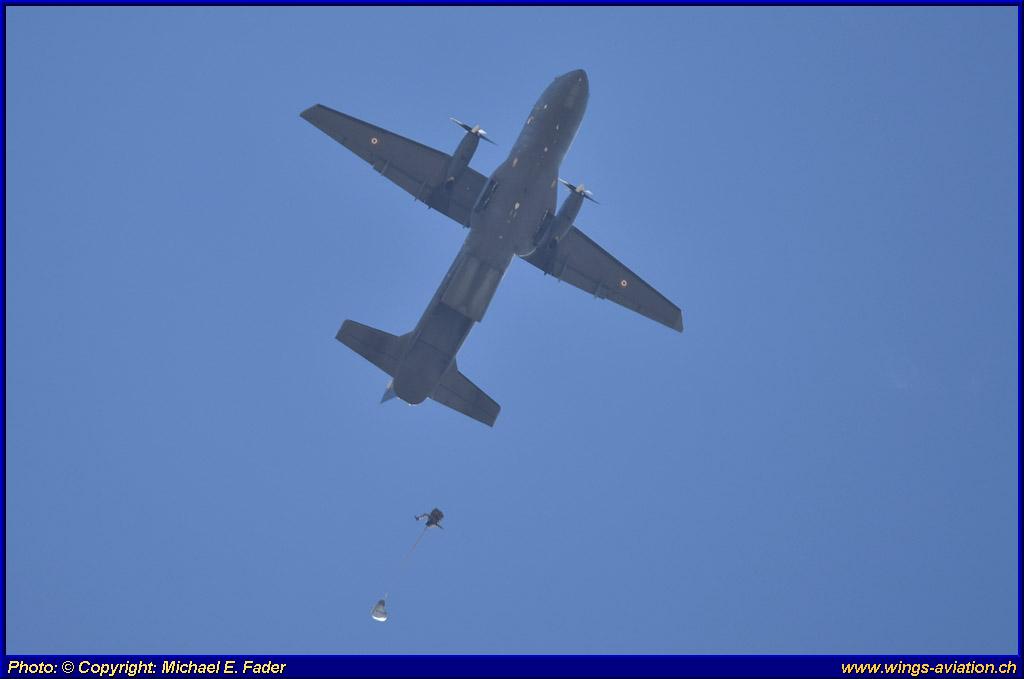
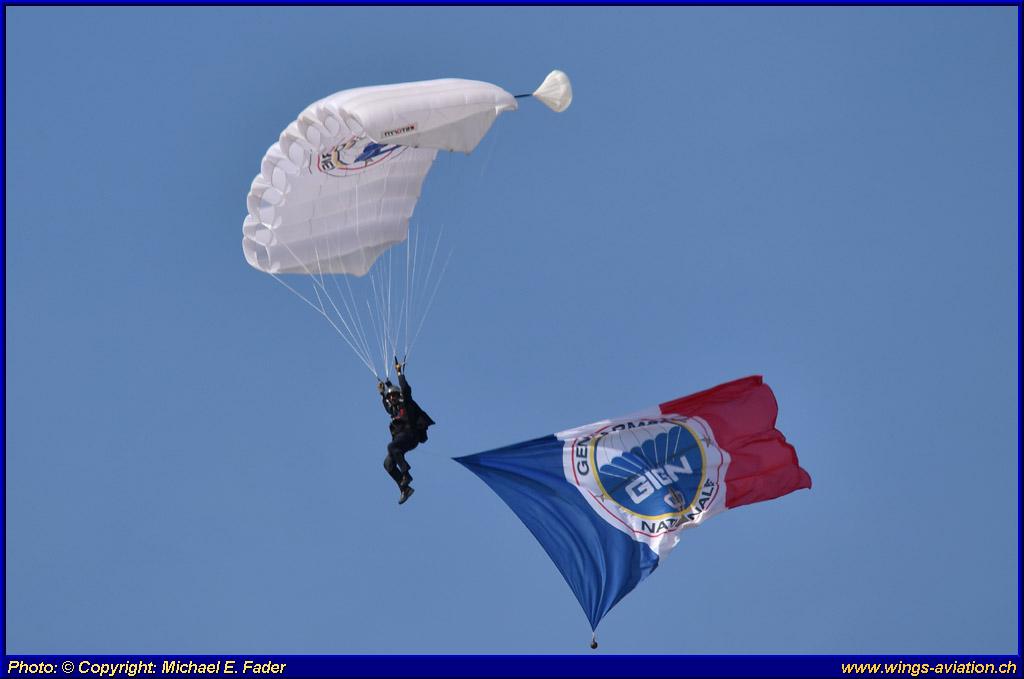
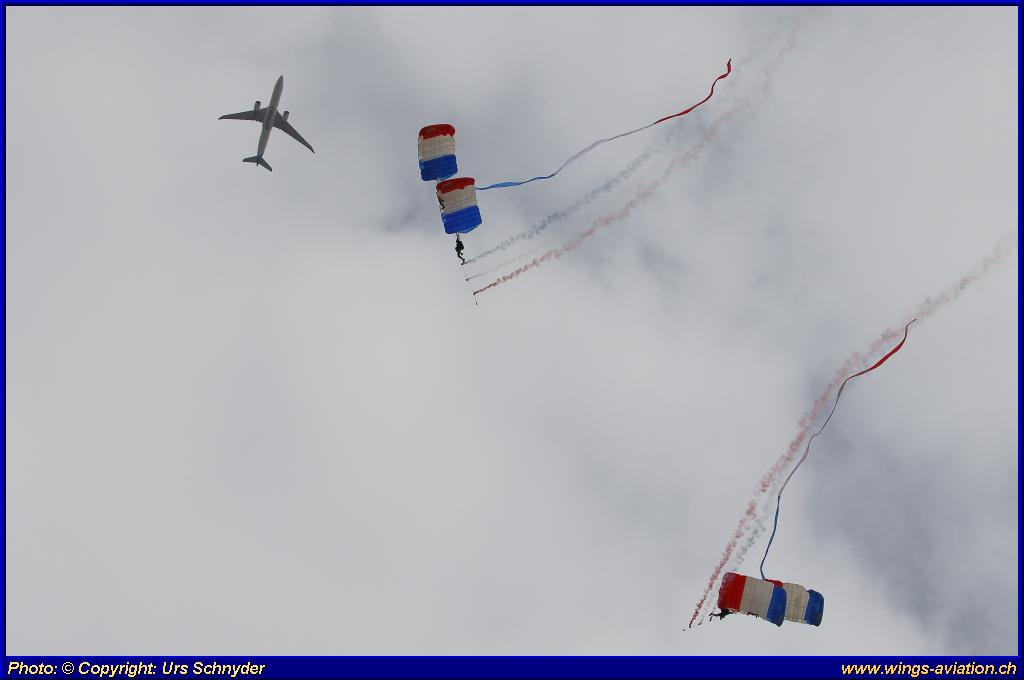
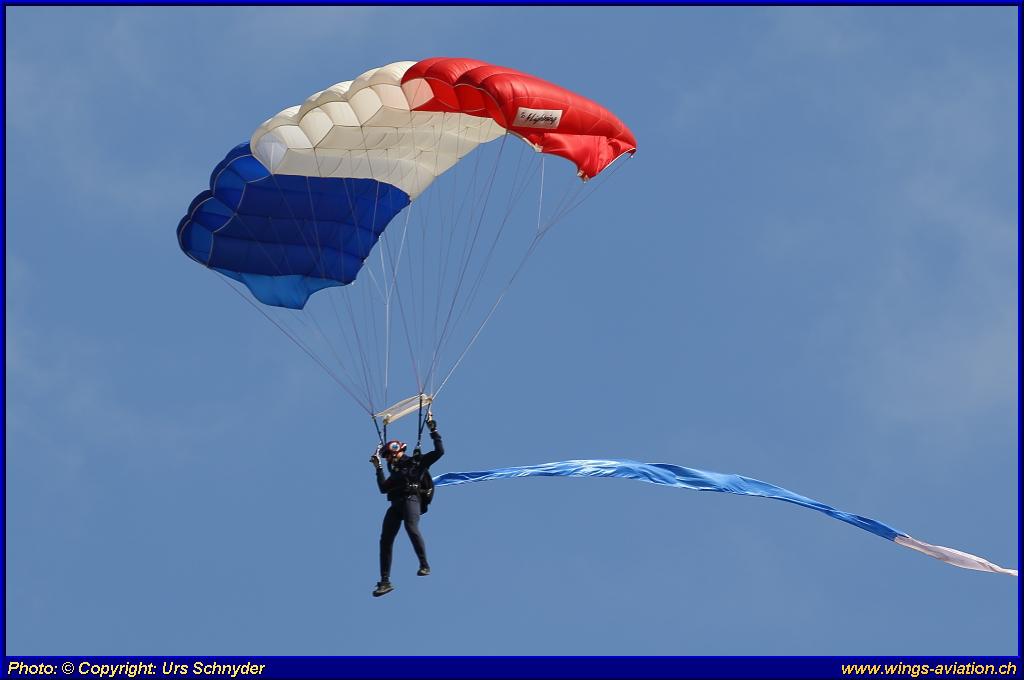
Two different teams of skydivers provided a spectacular start to Air Legend 2026. The military skydivers from the 1st RPIMa (1st Marine Infantry Parachute Regiment) of the French Army, who jumped alongside special forces from the GIGN, and the official skydiving team of the French Air and Space Forces, the Parachutistes Phénix. The latter act as ambassadors for the Air Force, representing the military at air shows and supporting recruitment efforts. The parachutists approached the event site from a great height, with their colourful canopies gradually opening in the sky.



(Picture courtesy Urs Schnyder
Absetzflugzeug eine CN-235 (Picture courtesy Michael E. Fader)
(Picture courtesy Michael E. Fader)
(Picture courtesy Urs Schnyder
(Picture courtesy Michael E. Fader)



(Picture courtesy Urs Schnyder
(Picture courtesy Michael E. Fader)
(Picture courtesy Urs Schnyder
(Picture courtesy Urs Schnyder
(Picture courtesy Michael E. Fader)
l'Aviation Légère de l'Armée de Terre (ALAT)
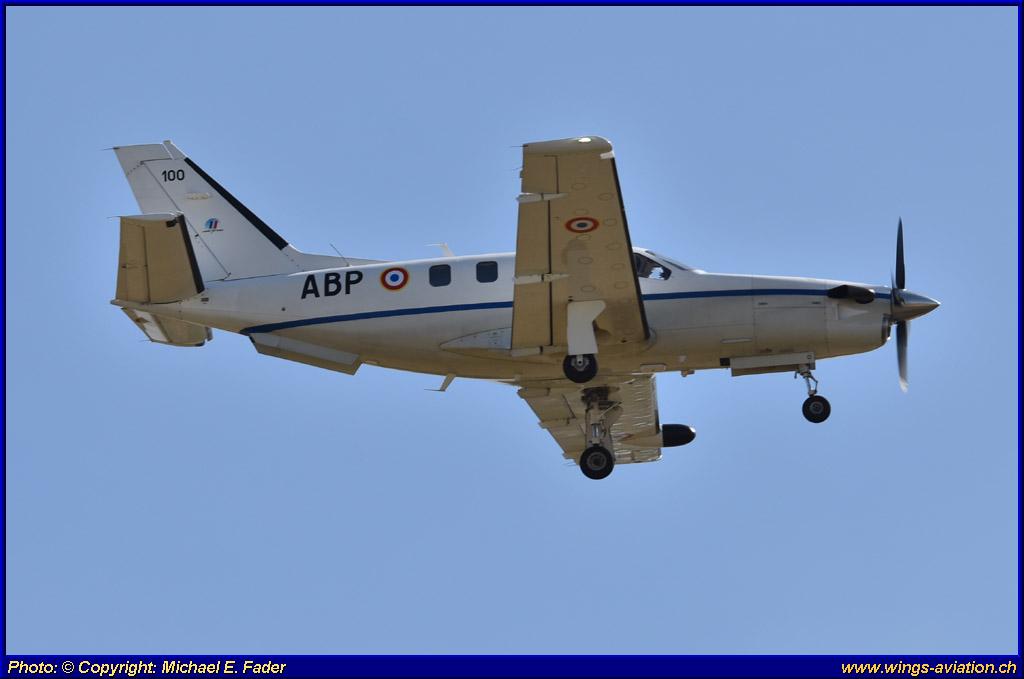
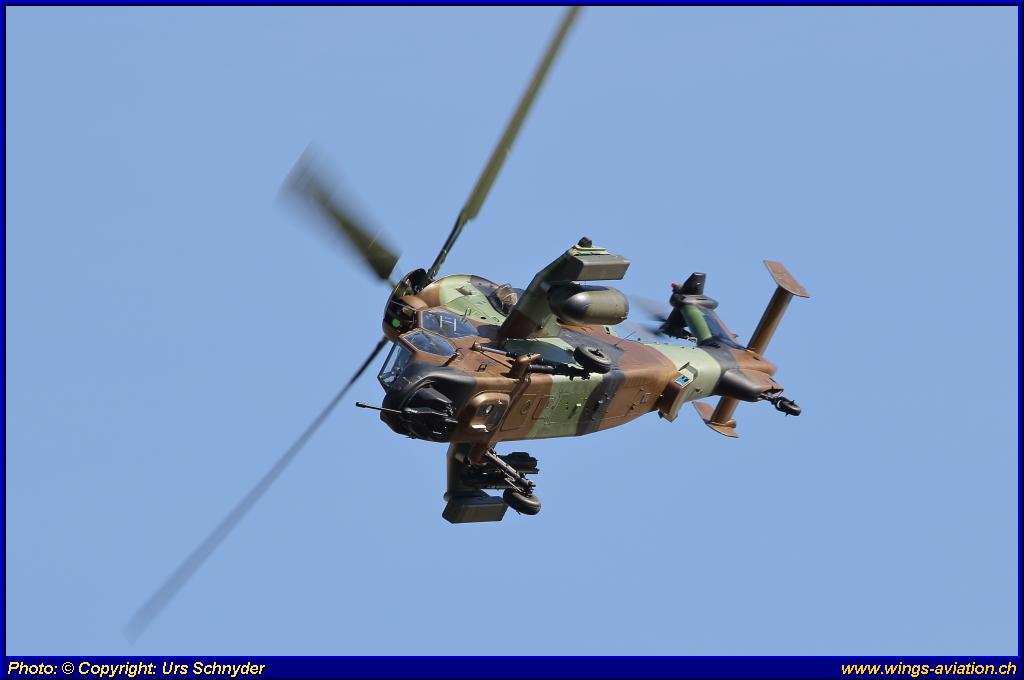
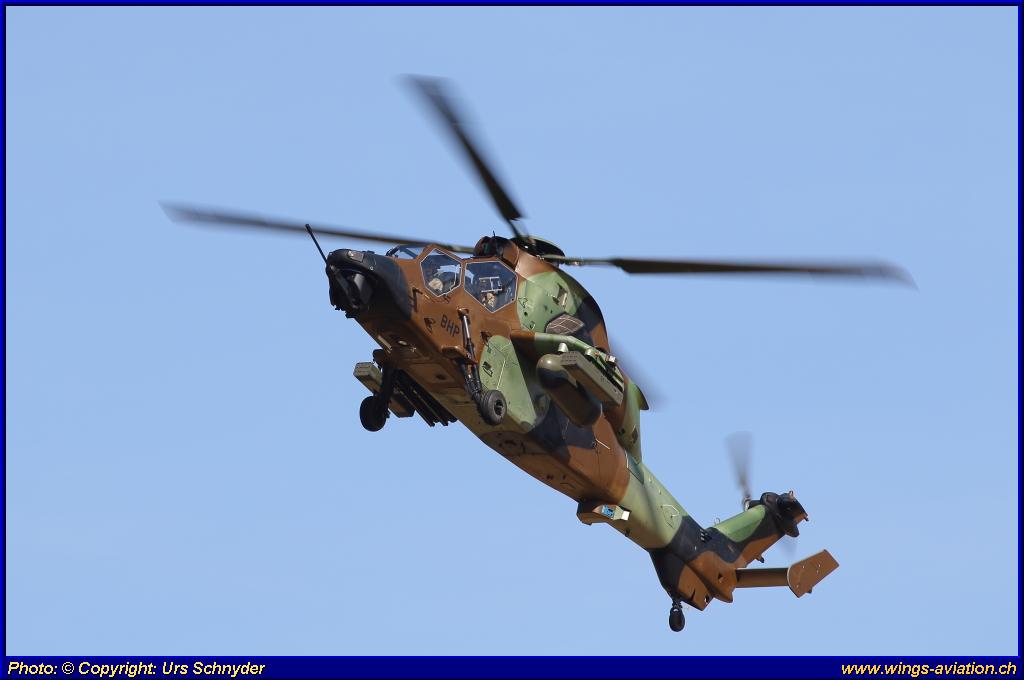
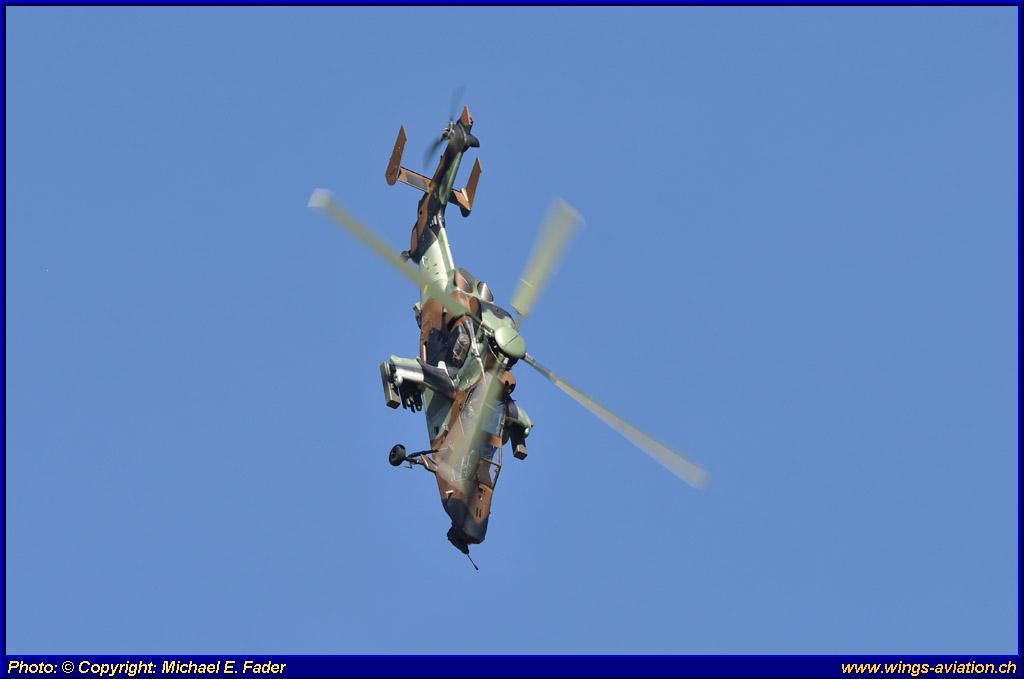
The French armed forces had a strong presence throughout the weekend. The French Army Air Corps, better known as ALAT, showcased a SOCATA TBM 700, a Eurocopter EC665 Tigre attack helicopter and an NHIndustries NH90 TTH Caïman transport helicopter.
The SOCATA TBM 700 combines French elegance with impressive performance. This fast turboprop can carry up to six passengers at speeds of over 500 km/h over a distance of around 3,300 kilometres. The French aircraft was manufactured by Socata in Tarbes, in the south of France. The TBM 700 is powered by a Pratt & Whitney Canada PT6A-64 turbine with around 700 PS – enough power for fast and efficient connecting flights.
The ALAT also relies on this versatile aircraft. A total of twelve TBM 700s have been procured by the French Army. Among other things, they are used for command and control support, rapid liaison and transport flights, and for transporting high-ranking officials. Their operational area extends across the whole of France and Europe. During the air display, the TBM 700 impressively demonstrated its capabilities. With several high-speed fly-bys, it brought real dynamism to the skies and impressively showcased the speed and manoeuvrability of this French turboprop.
The other two aircraft demonstrated by ALAT embodied the actual mission of the French Army Aviation even more impressively.
The Eurocopter EC665 Tigre, of which France has 67, is the combat helicopter of the French Army Aviation (ALAT). During its demonstration, the Tigre impressively showcased its agility and speed, highlighting the high manoeuvrability of this twin-engine combat helicopter.
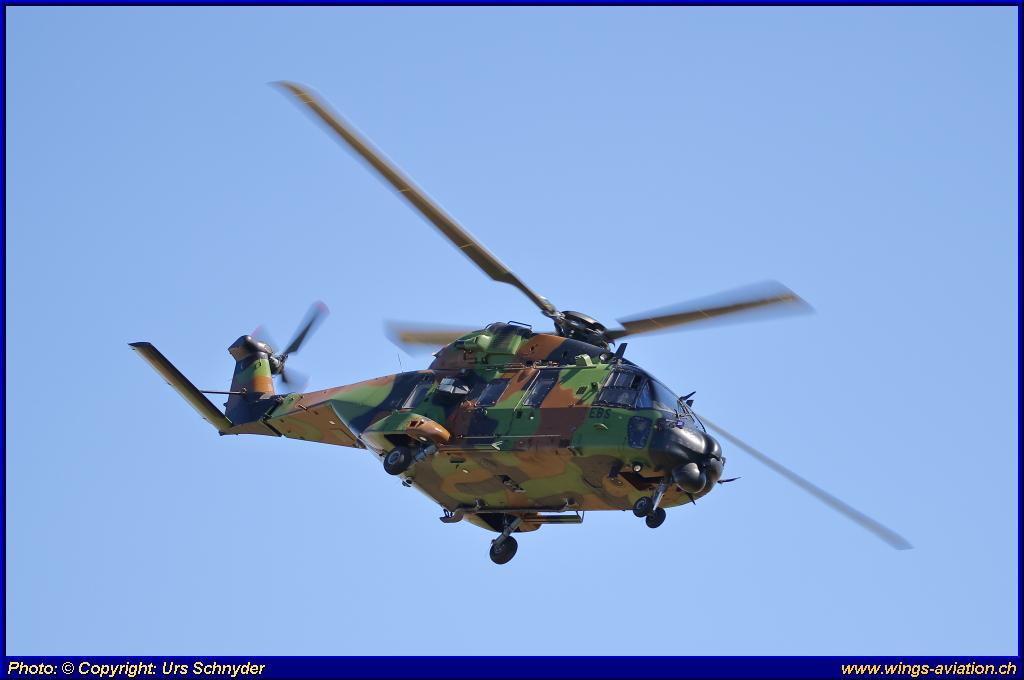
The third demonstration was performed by an NHIndustries NH90 TTH, which is in service in France under the name Caïman. This multi-role helicopter, which can carry up to 14 soldiers in full combat gear, also impressively demonstrated its agility and manoeuvrability.
Unfortunately, tactical elements such as the deployment of soldiers were omitted from the demonstration. Nevertheless, the Caïman put on an impressive display and effectively conveyed the capabilities of this modern transport helicopter.


(Picture courtesy Michael E. Fader)
(Picture courtesy Michael E. Fader)
(Picture courtesy Michael E. Fader)
(Picture courtesy Michael E. Fader)
(Picture courtesy Urs Schnyder



(Picture courtesy Urs Schnyder
(Picture courtesy Michael E. Fader)
(Picture courtesy Urs Schnyder
(Picture courtesy Michael E. Fader)
(Picture courtesy Urs Schnyder



(Picture courtesy Michael E. Fader)
(Picture courtesy Urs Schnyder
(Picture courtesy Michael E. Fader)
(Picture courtesy Urs Schnyder
(Picture courtesy Michael E. Fader)
Aerobatic Extra 330SC
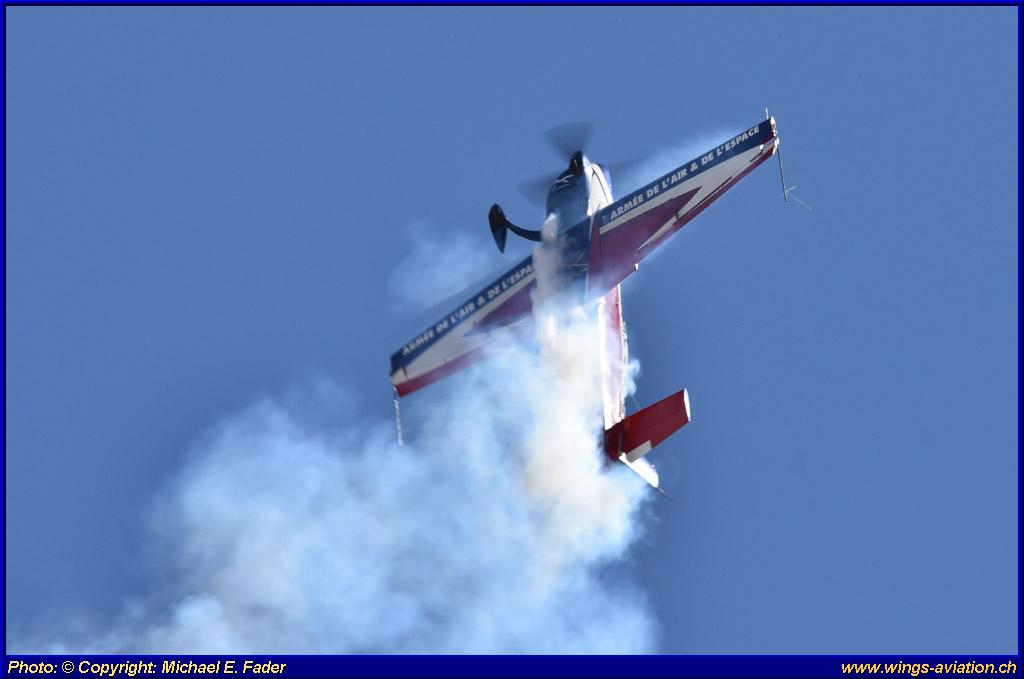
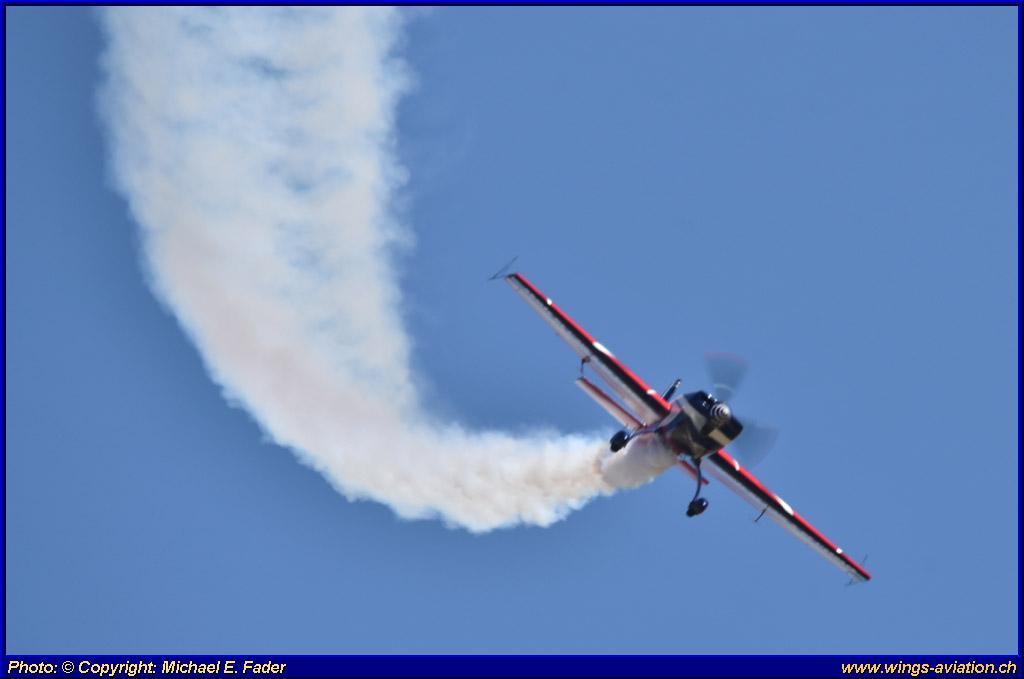
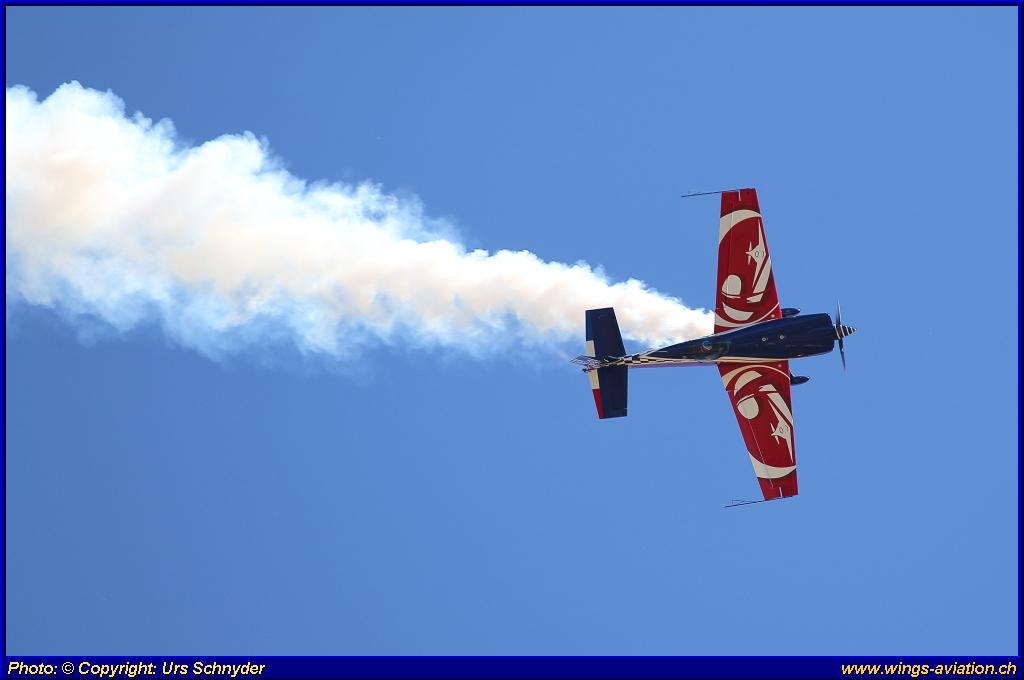
Captain Florent Oddon was crowned World Aerobatics Champion in 2022 and 2024 – he won both titles as a member of the French Air and Space Forces’ aerobatic team (EVAAE). In Villaroche, he impressively demonstrated his skills in an Extra 300SC, which originated in Germany.
The Extra 300SC features a steel and carbon fibre airframe and weighs just 585 kilograms. It is powered by a Lycoming AEIO-580 engine producing 315 PS, which delivers its full power at 2,700 revolutions per minute. The Extra 300SC is the latest model in a long line of developments that began in the early 1980s with the Extra 230, designed by the German aircraft designer Walter Extra.


(Picture courtesy Michael E. Fader)
(Picture courtesy Urs Schnyder
(Picture courtesy Michael E. Fader)
(Picture courtesy Urs Schnyder
(Picture courtesy Michael E. Fader)



(Picture courtesy Urs Schnyder
(Picture courtesy Michael E. Fader)
(Picture courtesy Urs Schnyder
(Picture courtesy Michael E. Fader)
(Picture courtesy Urs Schnyder
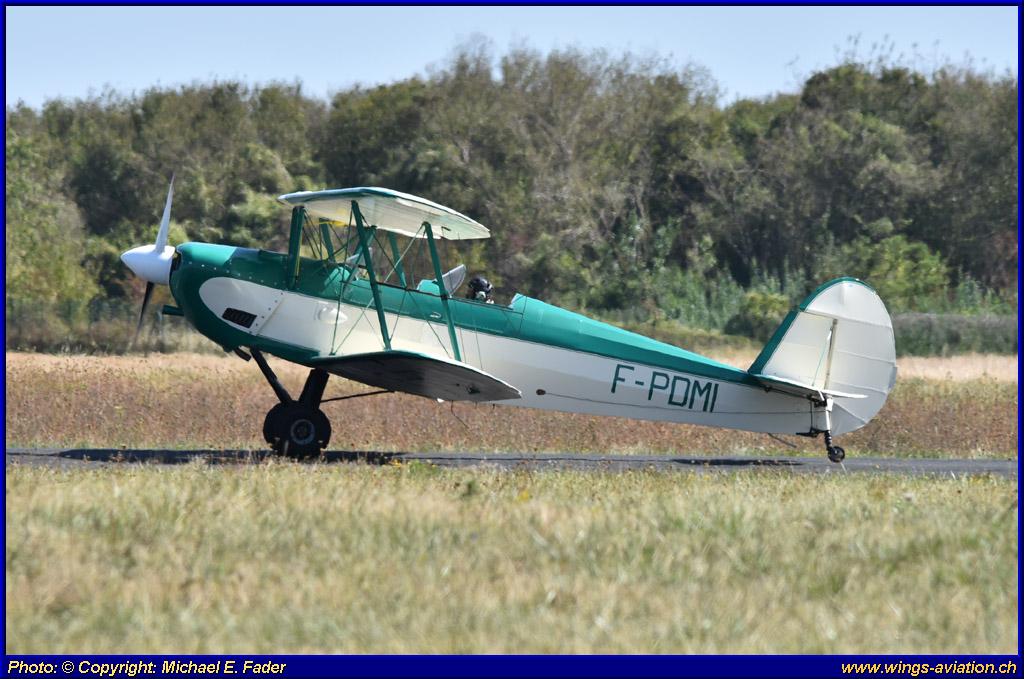
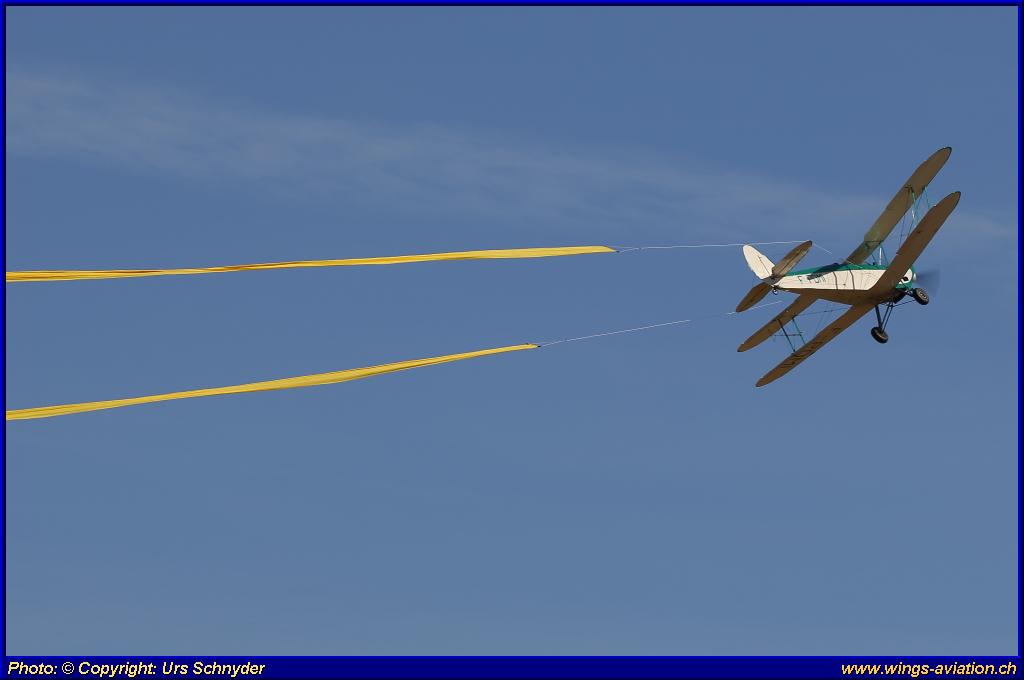
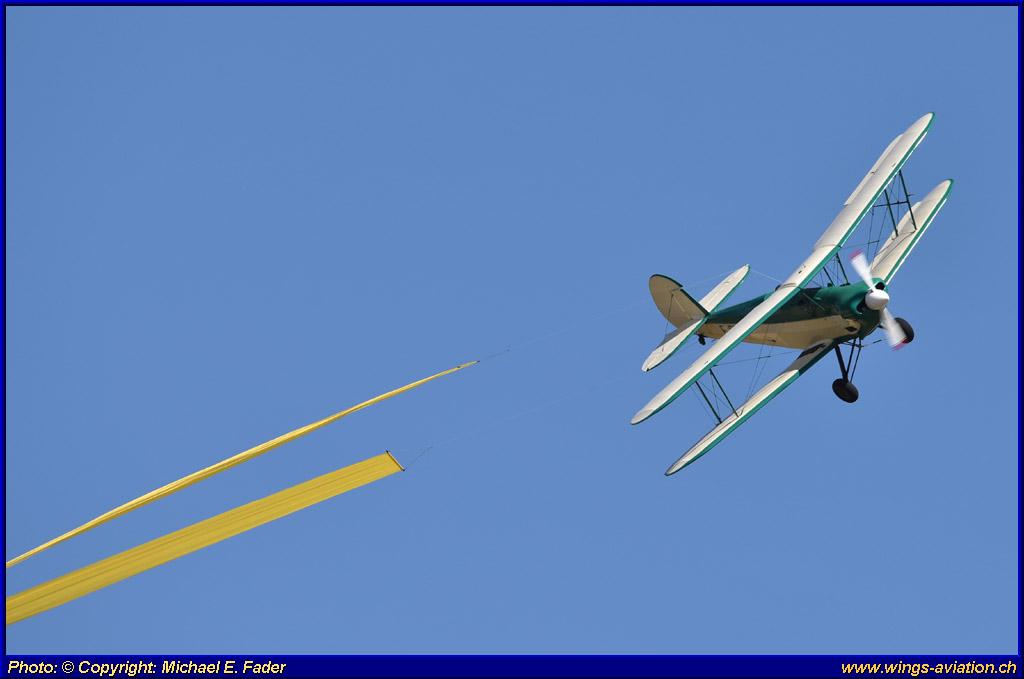
Stampe Enrubanné
In the 1950s and 1960s, the Stampe SV-4 shaped an entire generation of pilots and became a symbol of that French art of flying closely associated with ‘L’évangile selon St Yan’ – the legendary training method developed at the Saint-Yan flight training centre.
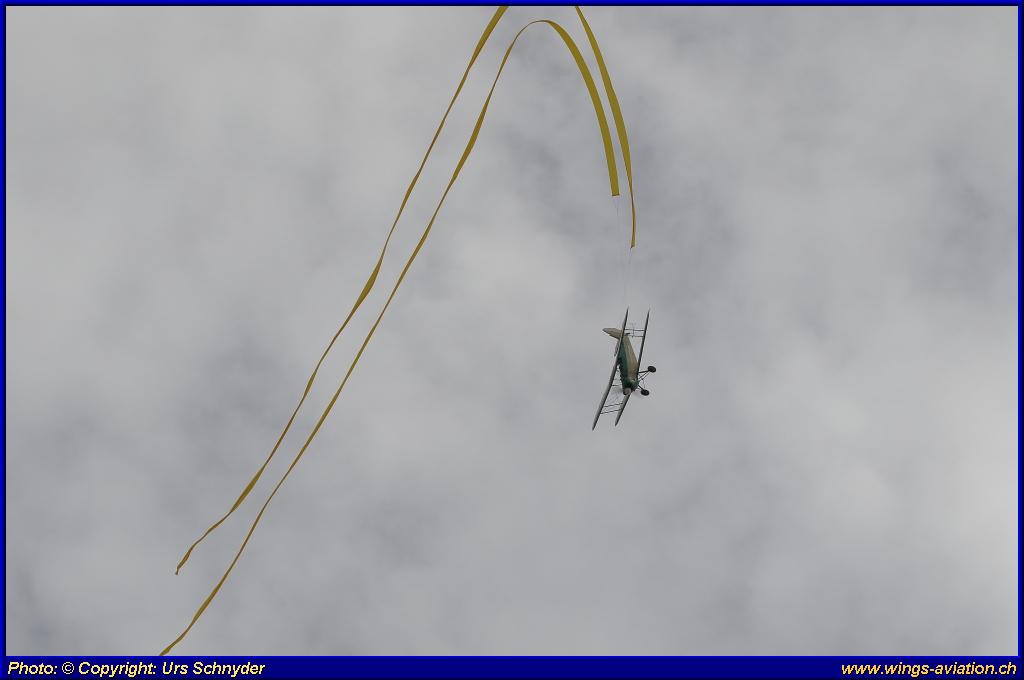
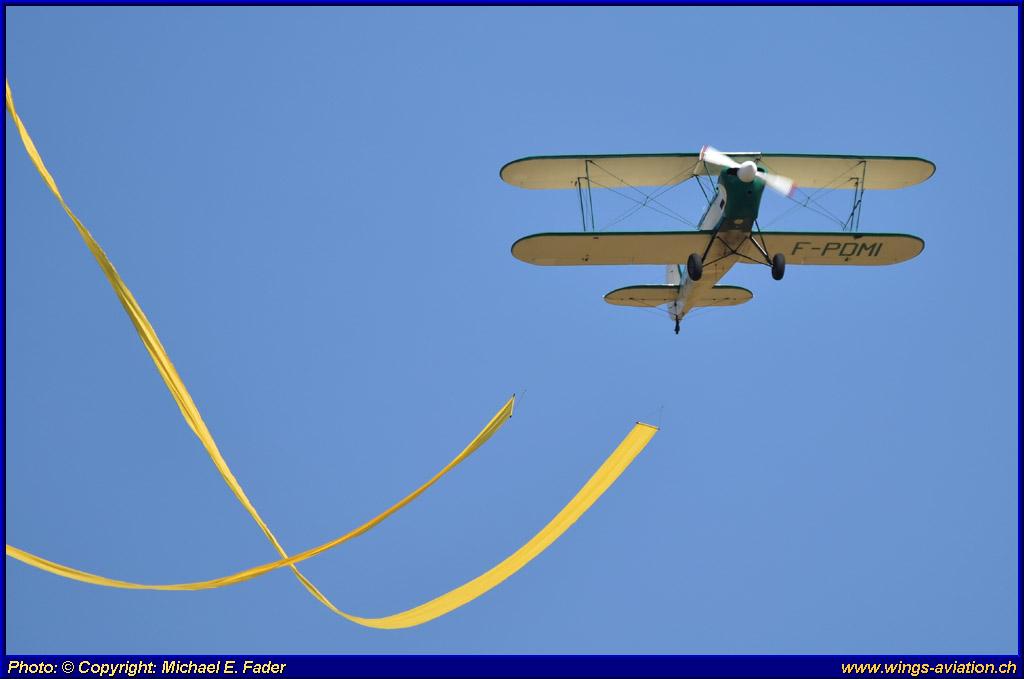
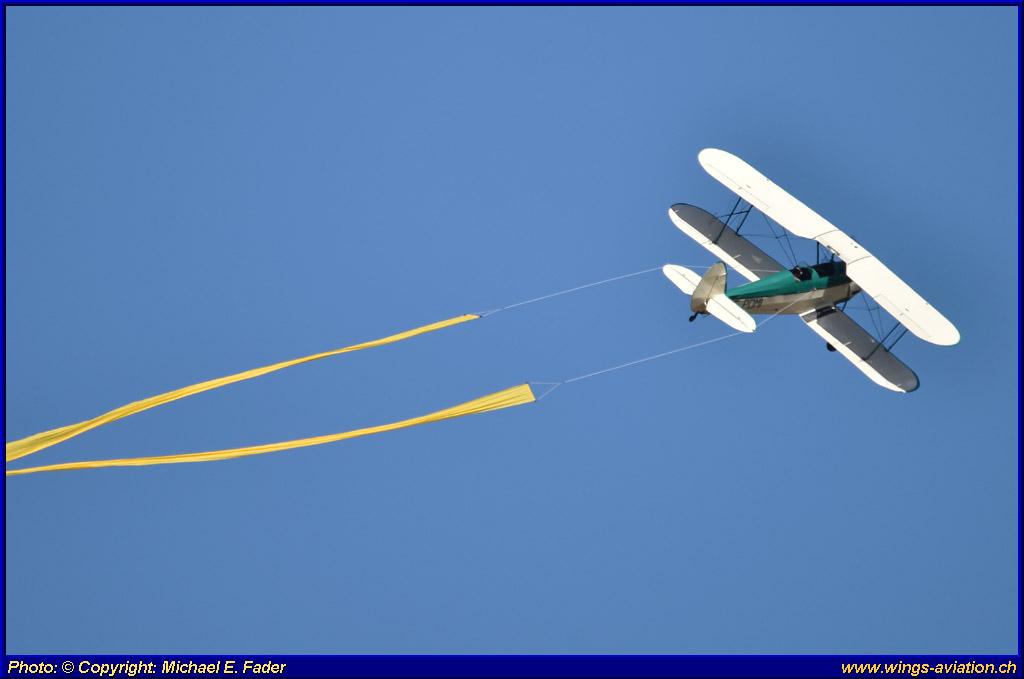
The Stampe DL 180 (F-PDMI), however, has long since been fitted with a modern engine. Instead of the original 140 PS Renault engine, a 180 PS Lycoming now powers it. More power for an aircraft that doesn’t simply fly through the sky, but paints. It owes its distinctive nickname, ‘Enrubanné’, to the two enormous yellow ribbons that dance in the slipstream behind its tail. With every roll, every loop and every elegant manoeuvre, they transform the sky into a vast canvas and trace luminous arabesques in the air. As the Stampe traces its paths, aerobatics become a spectacle full of elegance and dynamism – and two simple ribbons become a fascinating brushstroke across the sky. This spectacular display was flown by Christian Lesage, who guided the old lady through her manoeuvres with impressive precision.


(Picture courtesy Michael E. Fader)
(Picture courtesy Urs Schnyder
(Picture courtesy Michael E. Fader)
(Picture courtesy Urs Schnyder
(Picture courtesy Michael E. Fader)


(Picture courtesy Urs Schnyder
(Picture courtesy Michael E. Fader)
(Picture courtesy Urs Schnyder
(Picture courtesy Michael E. Fader)
(Picture courtesy Urs Schnyder
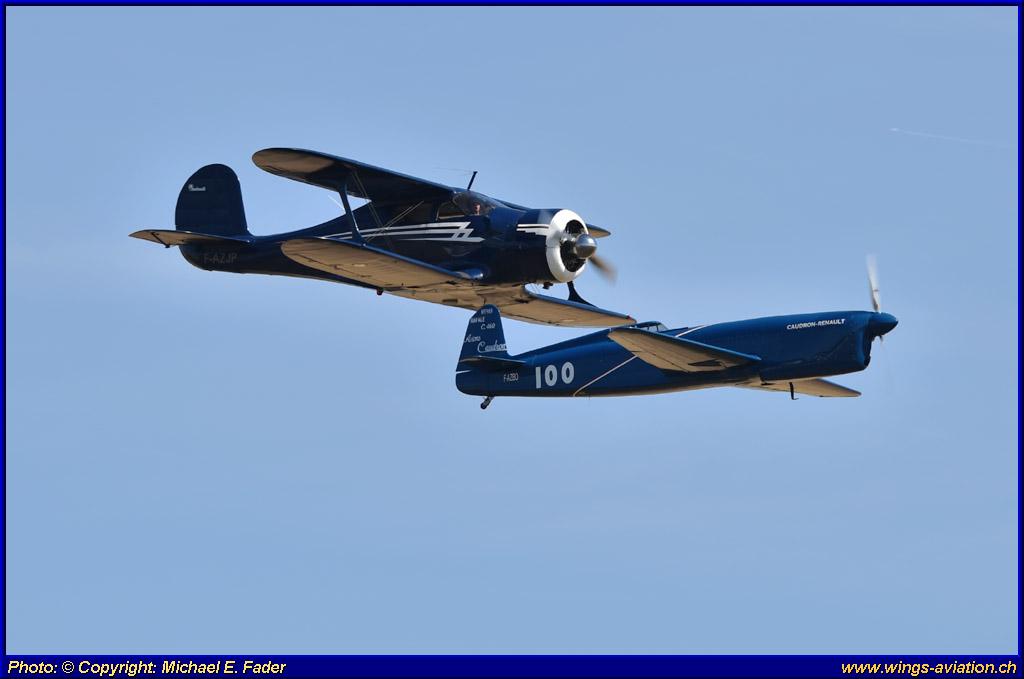
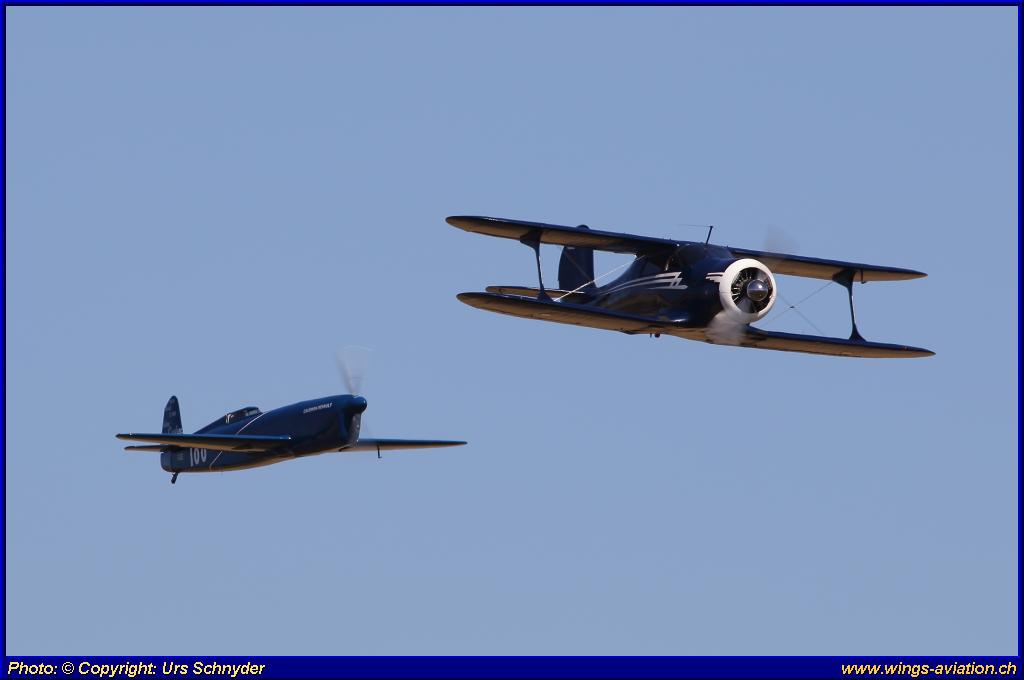
Caudron-Renault Rafale, Stagerwing & Spartan
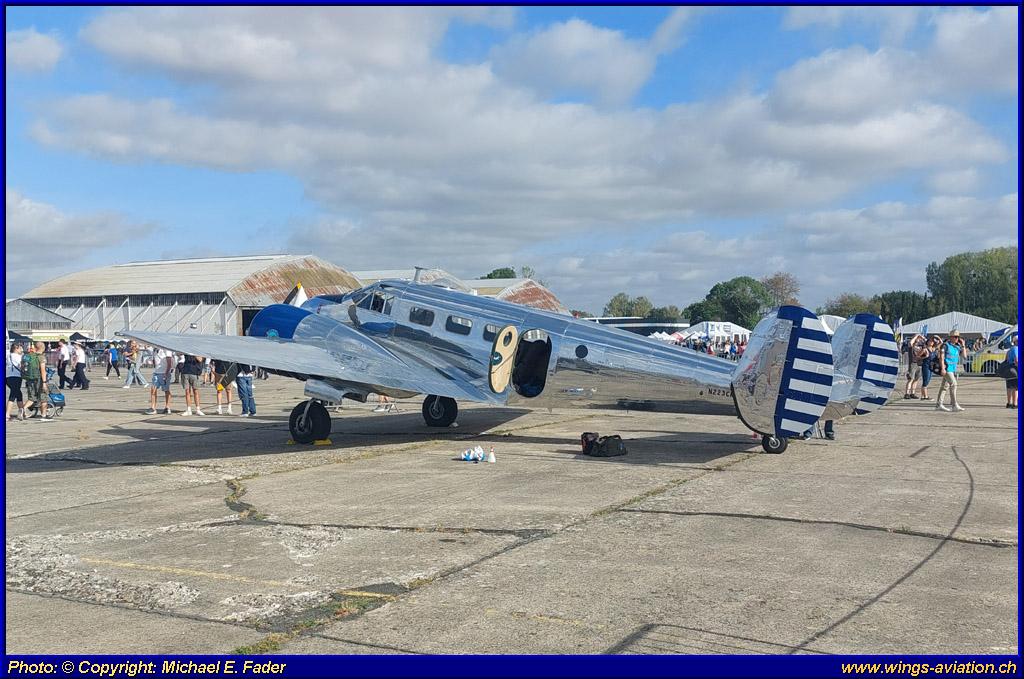
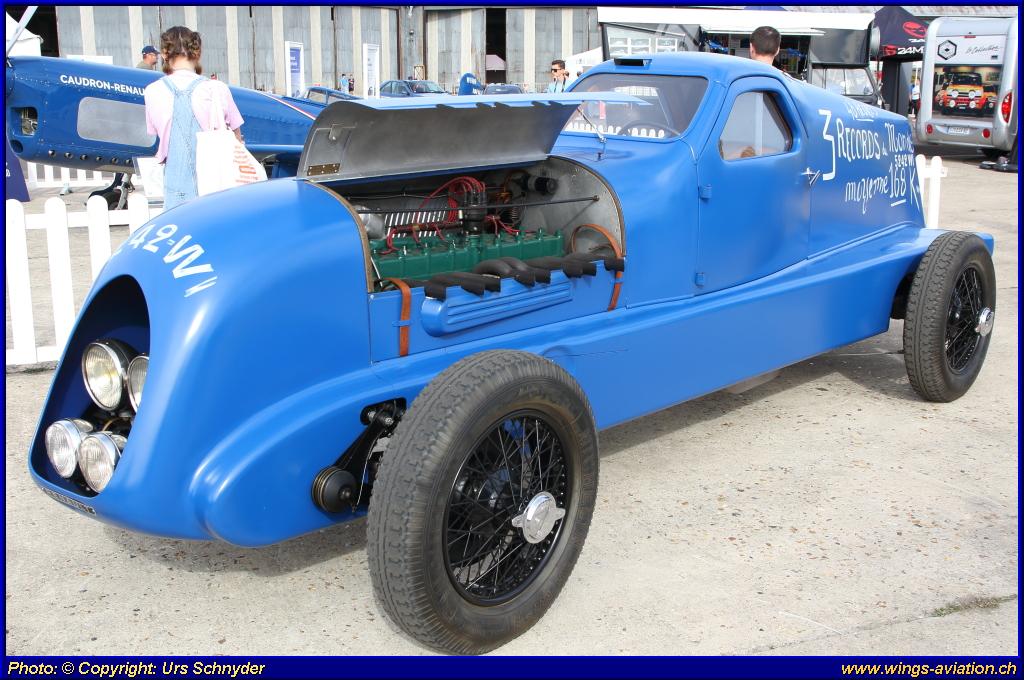
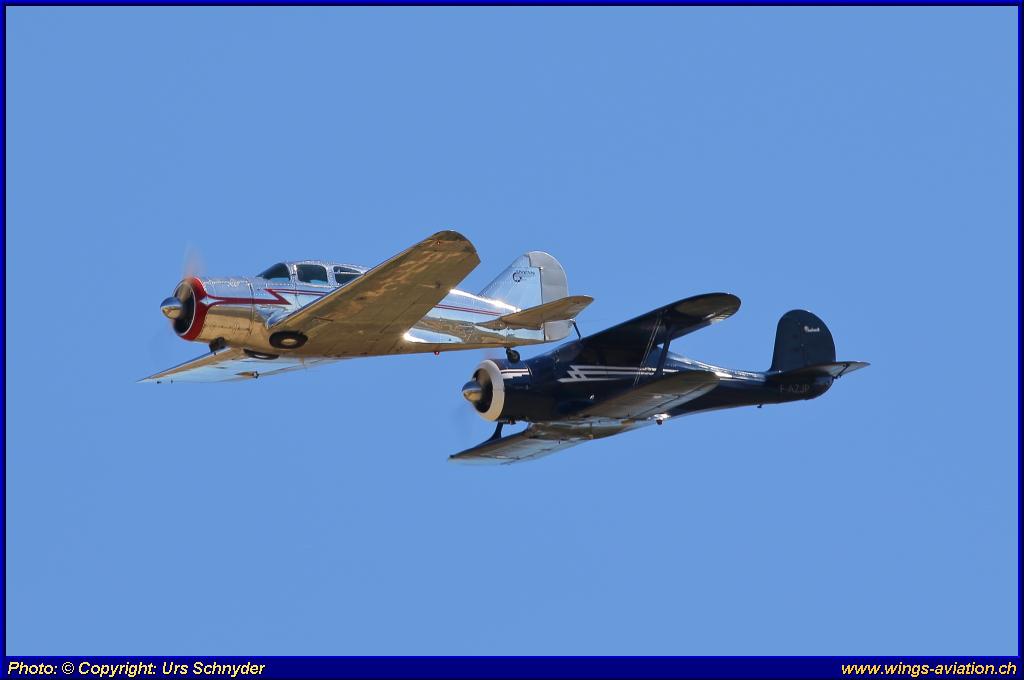
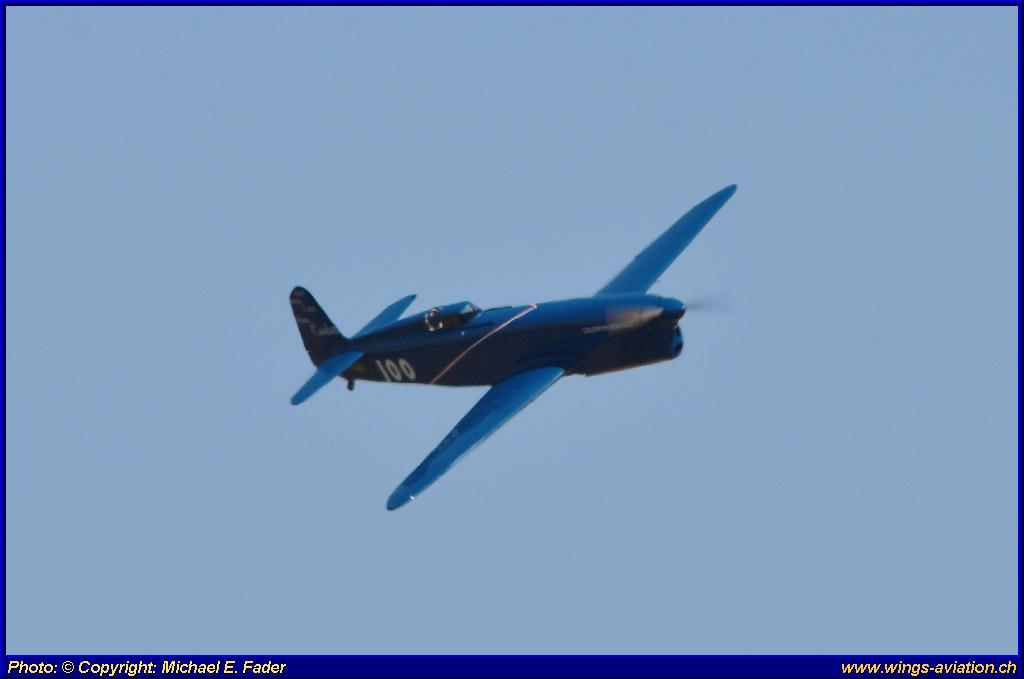
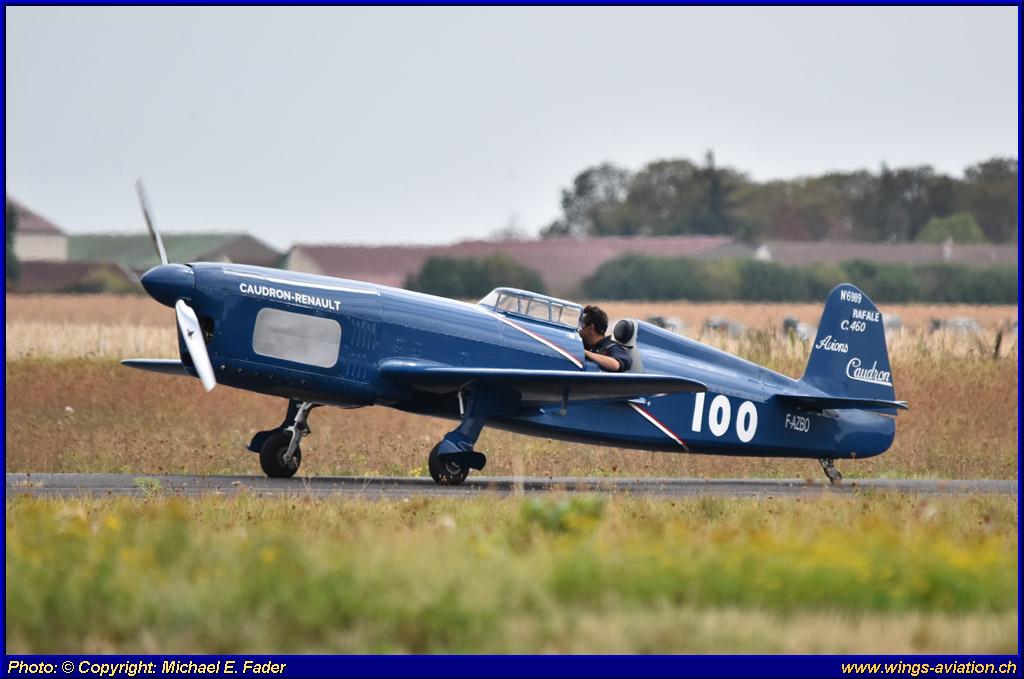
As the true star of the 2026 event, the Caudron-Renault C.460 Rafale captivated the audience. This legendary racing aeroplane, with its clean, avant-garde lines, which won the prestigious ‘Coupe Deutsch de la Meurthe’ in 1936, was given special recognition to illustrate the genius and elegance of French aviation in the 1930s. The aircraft was displayed on both days of the event alongside a Beechcraft Model 17S Staggerwing and a Spartan 7W Executive. The latter, however, was unable to take part in the flight programme on Sunday.
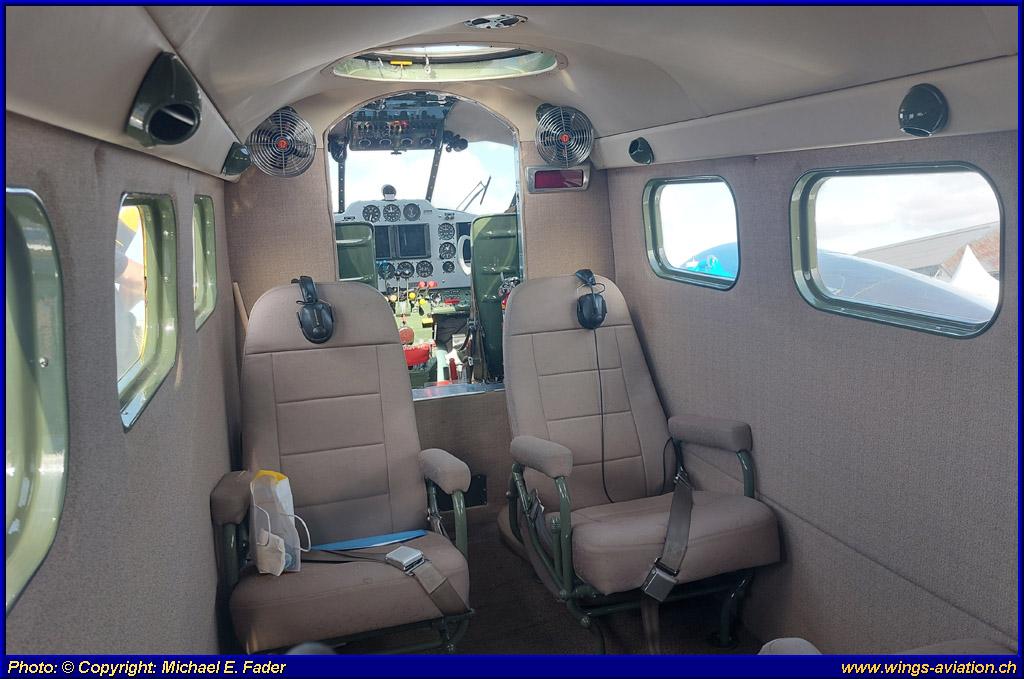
The Spartan 7W Executive is a true flying work of art and symbolises the transition from the age of biplanes to modern aviation. Clean Art Deco lines, low-set cantilever wings, retractable landing gear, an all-metal construction and a spacious and comfortable cabin lend this elegant aircraft its unmistakable character.
The Beechcraft D17S Staggerwing is an elegant American passenger and light transport aircraft developed in the 1930s. Its distinctive features include the staggered wings and retractable landing gear, which give the aircraft its unmistakable and particularly elegant silhouette.
These three aircraft impressively embody the elegance and pioneering spirit of the 1930s.


(Picture courtesy Urs Schnyder
(Picture courtesy Michael E. Fader)
(Picture courtesy Urs Schnyder
(Picture courtesy Urs Schnyder
(Picture courtesy Urs Schnyder


(Picture courtesy Michael E. Fader)
(Picture courtesy Urs Schnyder
(Picture courtesy Michael E. Fader)
(Picture courtesy Michael E. Fader)
(Picture courtesy Michael E. Fader)


(Picture courtesy Michael E. Fader)
(Picture courtesy Urs Schnyder
(Picture courtesy Urs Schnyder
(Picture courtesy Urs Schnyder
(Picture courtesy Michael E. Fader)
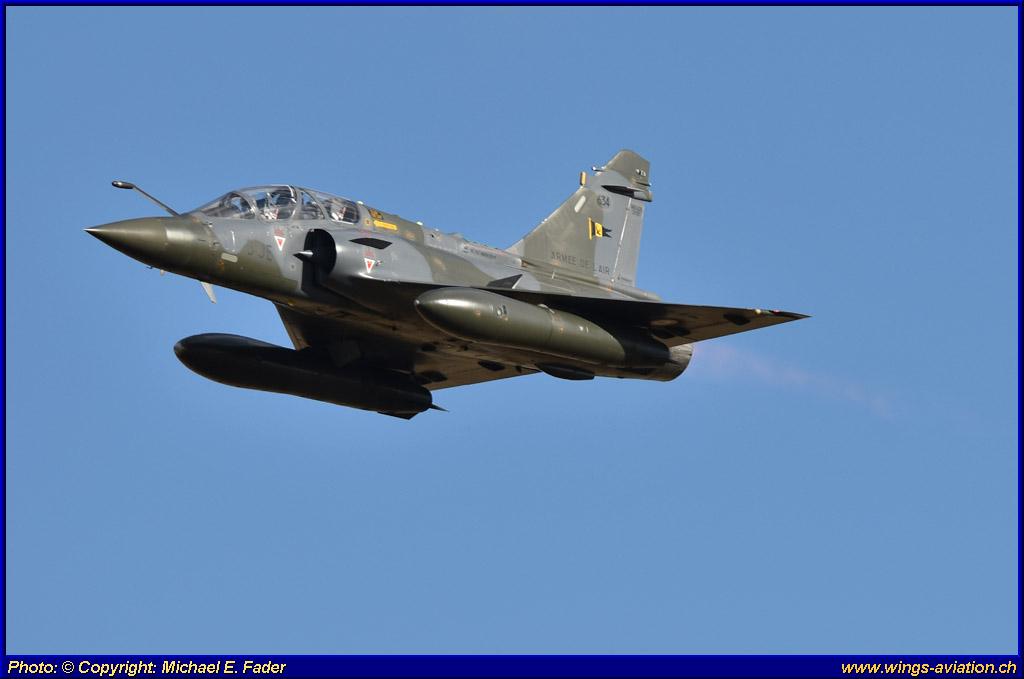
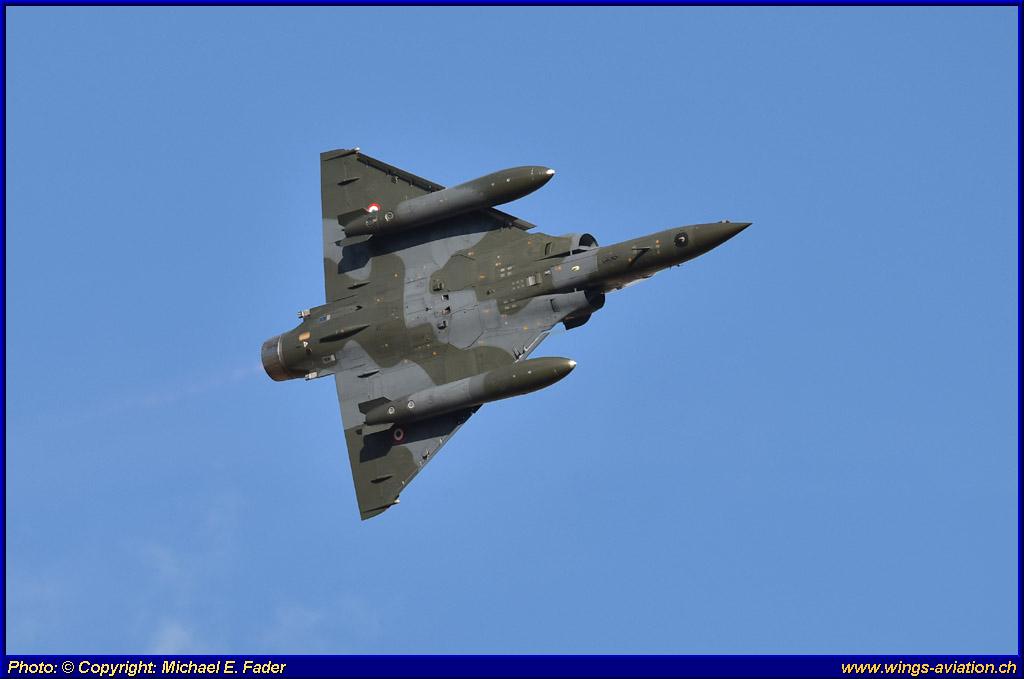
Mirage 2000D – Couteau Delta
 The
"Couteau Delta" is an official aerobatic display team of the French Air
Force, founded in 2017. Unlike other French aerobatic teams, their
displays focus not on traditional aerobatics but on the tactical
operations of the crews. The aircraft, based at Base aérienne 133 in
Nancy-Ochey, demonstrate manoeuvres in the ‘leader and wingman’
formation – a formation also used in tactical combat missions. The
displays thus give an impression of how the crews train their
cooperation and procedures under realistic operational conditions. The
team consists of four flight crew members, divided into two
pilot-navigator pairs, as well as around ten mechanics who are
responsible for the technical maintenance of the aircraft.
The
"Couteau Delta" is an official aerobatic display team of the French Air
Force, founded in 2017. Unlike other French aerobatic teams, their
displays focus not on traditional aerobatics but on the tactical
operations of the crews. The aircraft, based at Base aérienne 133 in
Nancy-Ochey, demonstrate manoeuvres in the ‘leader and wingman’
formation – a formation also used in tactical combat missions. The
displays thus give an impression of how the crews train their
cooperation and procedures under realistic operational conditions. The
team consists of four flight crew members, divided into two
pilot-navigator pairs, as well as around ten mechanics who are
responsible for the technical maintenance of the aircraft.
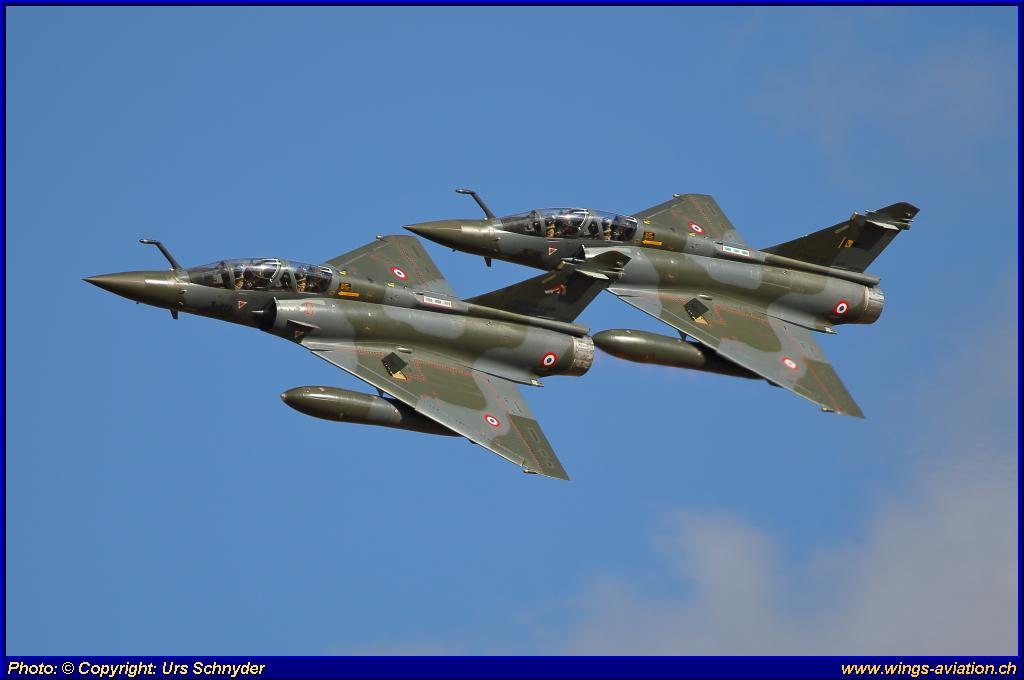
The performance at Air Legend 2026 was one of the first displays by the “Couteau Delta” following a lengthy hiatus. The team flies two modernised Dassault Mirage 2000Ds.
The Mirage 2000D was developed as a two-seater fighter jet for conventional air-to-ground missions. Unlike the closely related Mirage 2000N, which was designed for nuclear operations, the 2000D accommodates a weapons systems officer (NOSA) alongside the pilot. Among other things, the NOSA is responsible for navigation and providing support during the deployment of weapons. Since its introduction in 1995, the Mirage 2000D has been deployed primarily by units based at the Nancy-Ochey Air Base in north-eastern France.
A total of 55 aircraft have been modernised to the Mirage 2000D RMV variant as part of a mid-life upgrade. The aim is to keep the jets in service until at least 2035. The scope of the modernisation includes, amongst other things, new avionics, the retrofitting of an on-board cannon, modernised missile armament and the integration of precision-guided and laser-guided bombs. Training on the Mirage 2000 family now also takes place at Nancy-Ochey. This makes the air base a key location for the operation, modernisation and training on the Mirage 2000D.



(Picture courtesy Michael E. Fader)
(Picture courtesy Urs Schnyder
(Picture courtesy Michael E. Fader)
(Picture courtesy Urs Schnyder
(Picture courtesy Michael E. Fader)



(Picture courtesy Urs Schnyder
(Picture courtesy Michael E. Fader)
(Picture courtesy Urs Schnyder
(Picture courtesy Michael E. Fader)
(Picture courtesy Urs Schnyder
Classic Formation
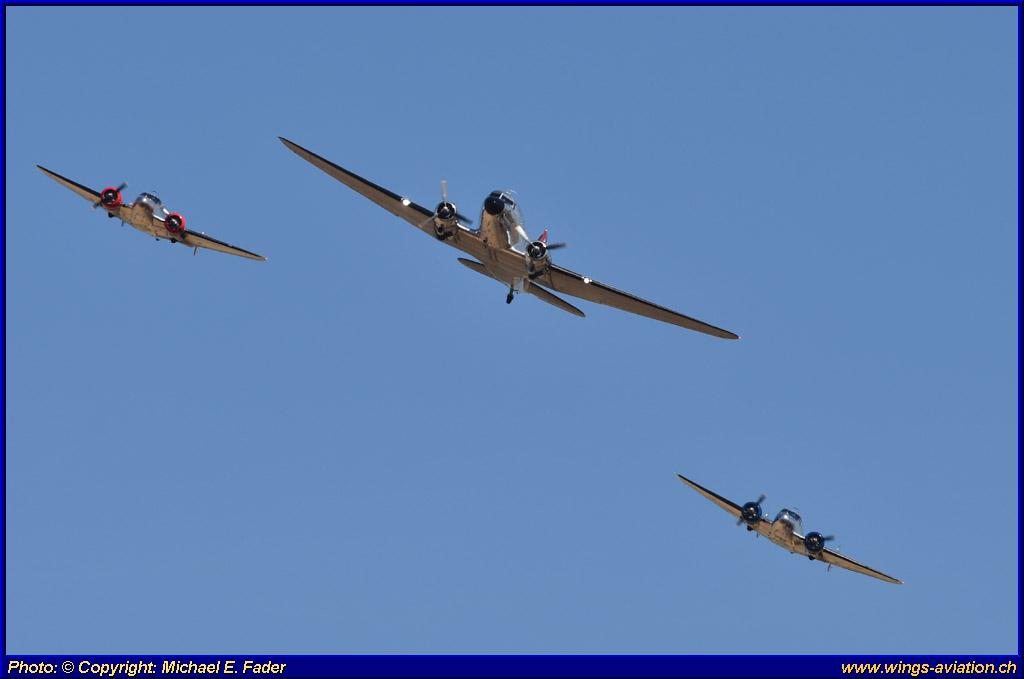
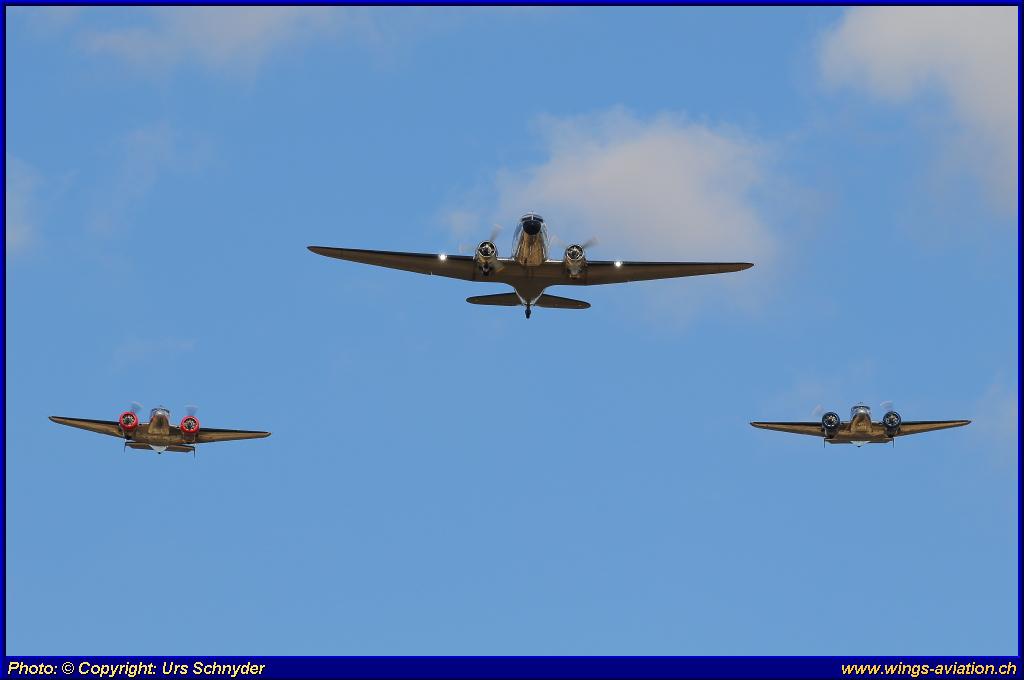
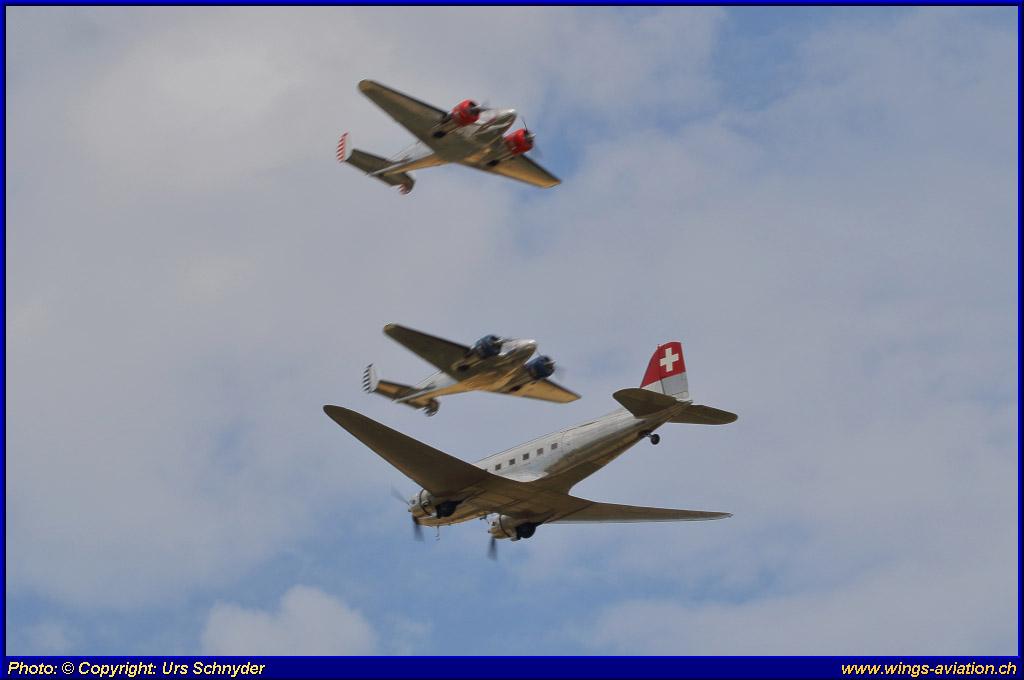
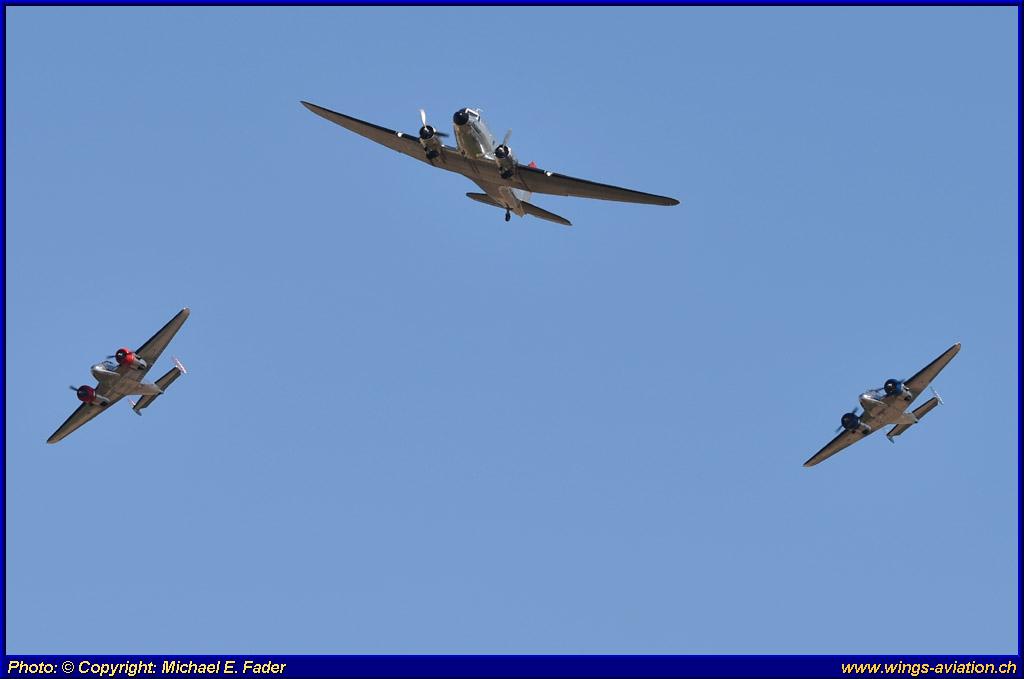
The Classic Formation hardly needs any introduction. For years, the formation has been thrilling audiences with its historic Beechcraft aircraft and is one of the most striking sights in the sky. It was founded, funded and is led by Hugo Mathys, a Swiss medical technology entrepreneur and passionate pilot. In Villaroche, he took the controls of the red Beech 18, the ‘Classic 3’, himself and guided the formation through the display with a steady hand.
Unfortunately, a familiar member of the ensemble was missing this time: the yellow ‘Classic 4’, a Beechcraft Model 18 with registration N184KP, had to remain on the ground as its pilots were unable to take part due to illness. Even though this meant the formation was missing a splash of colour and one aircraft, the Classic Formation’s display remained an impressive throwback to the era when these elegant twin-engine classics were still a common sight in everyday aviation.


(Picture courtesy Urs Schnyder
(Picture courtesy Michael E. Fader)
(Picture courtesy Urs Schnyder
(Picture courtesy Michael E. Fader)
(Picture courtesy Urs Schnyder


(Picture courtesy Michael E. Fader)
(Picture courtesy Urs Schnyder
(Picture courtesy Michael E. Fader)
(Picture courtesy Urs Schnyder
(Picture courtesy Michael E. Fader)
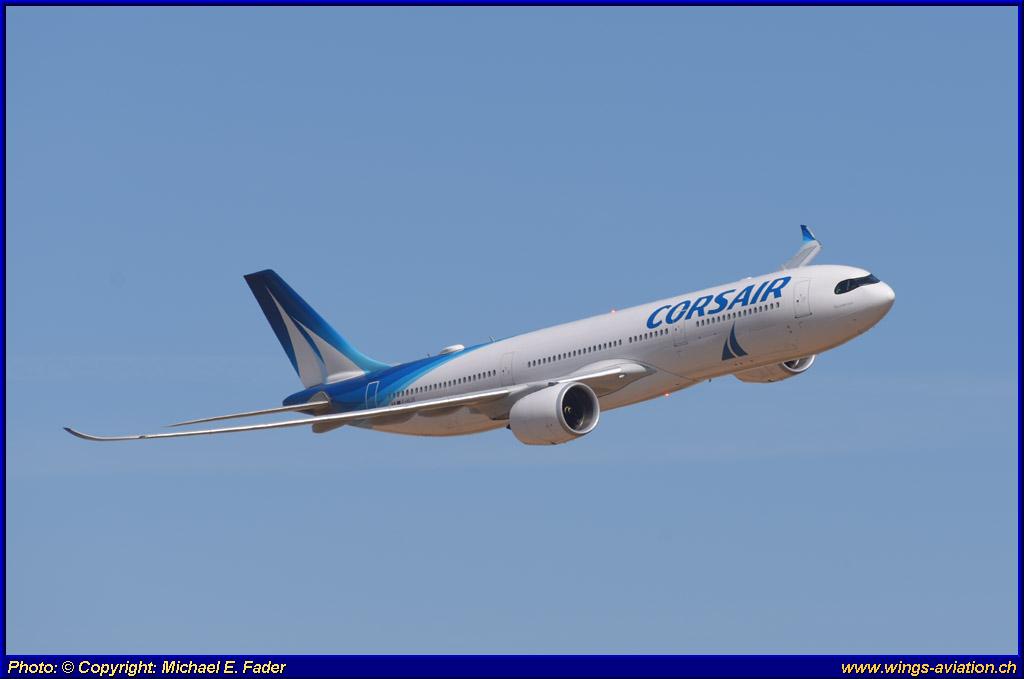
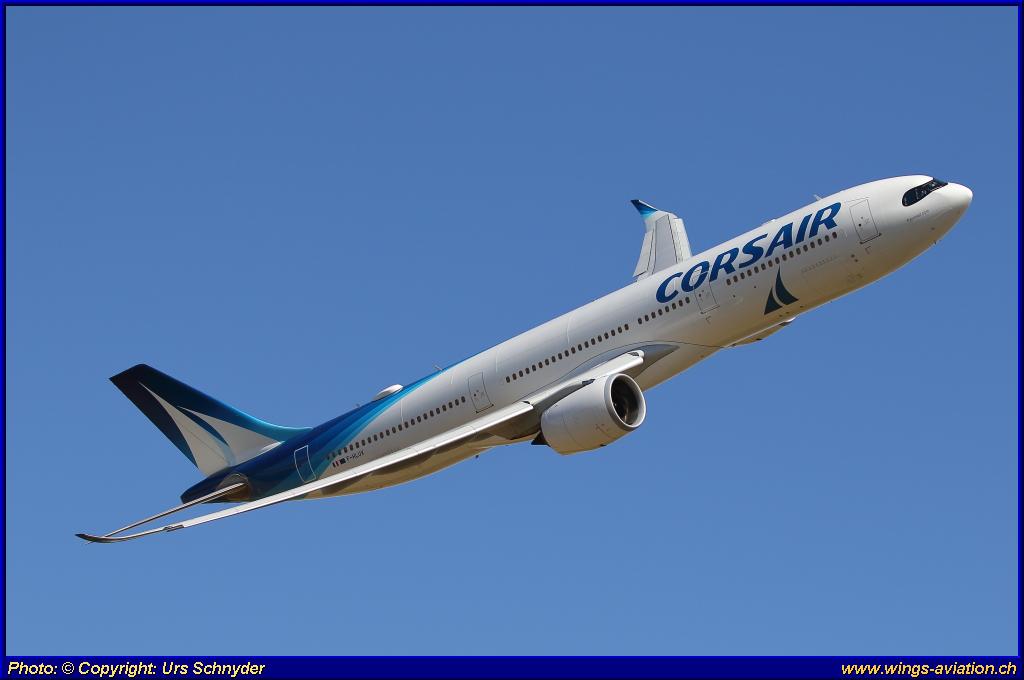
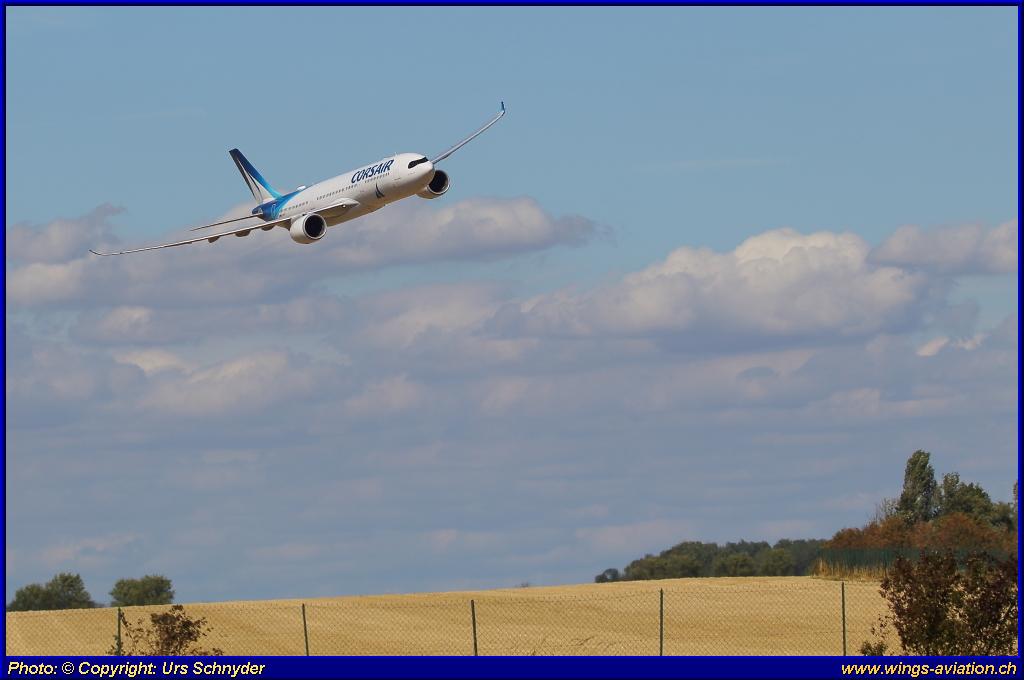
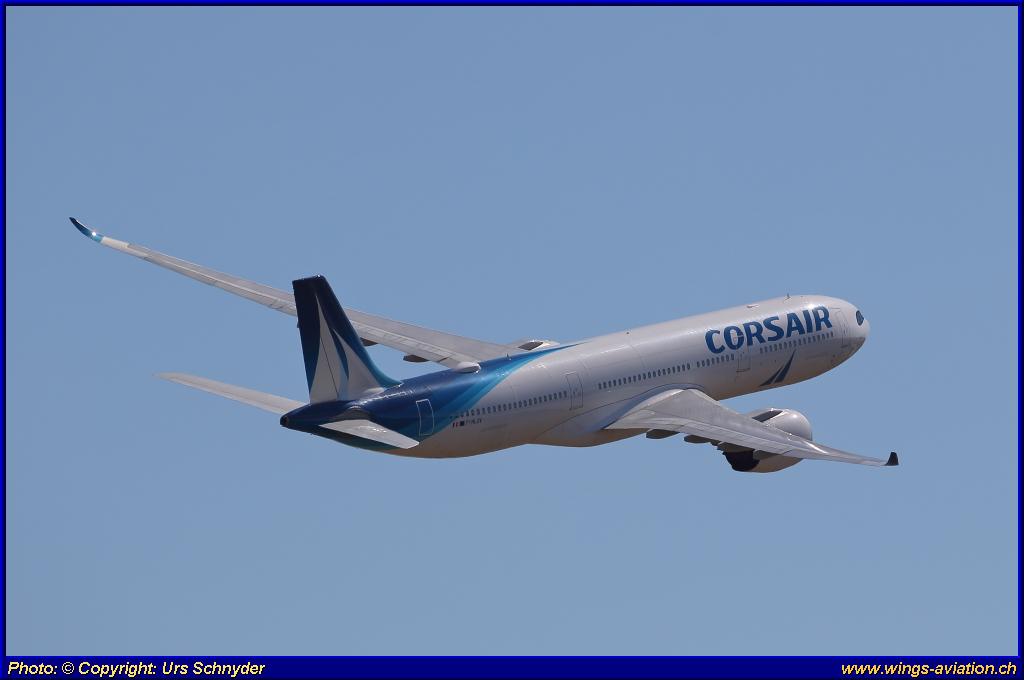
Corsair
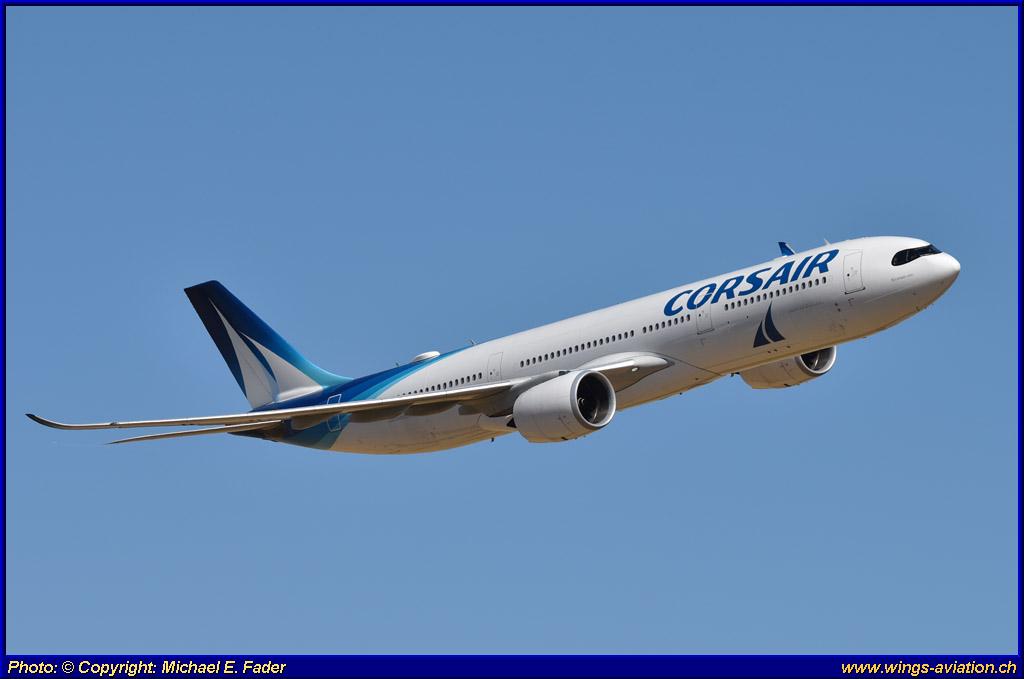
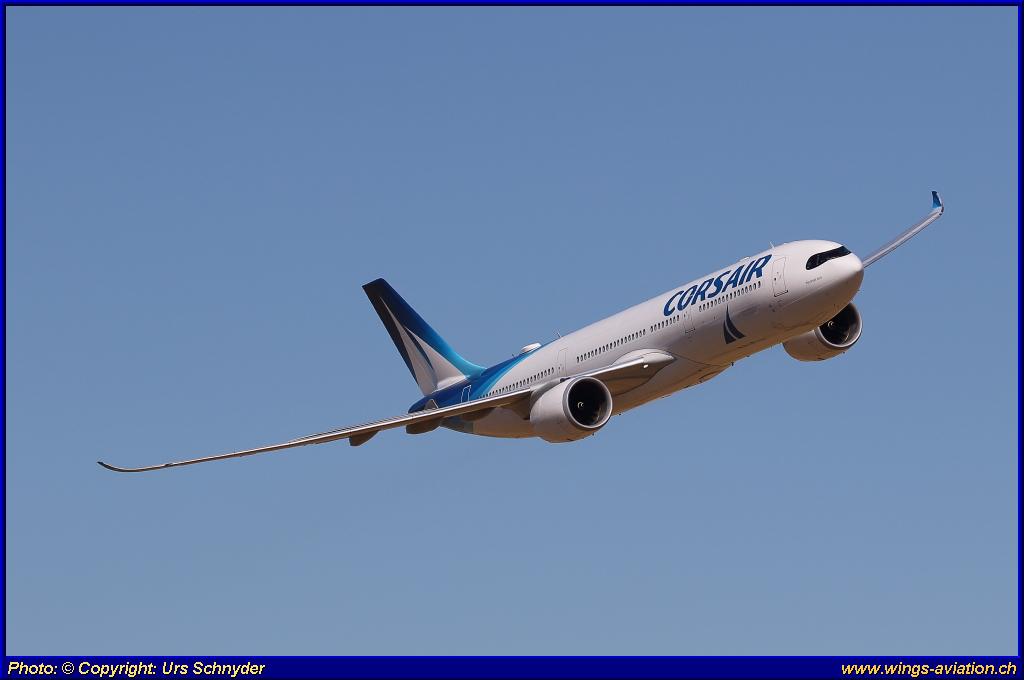
Corsair’s Airbus A330-900neo (F-HLUV) also put on a spectacular display. During its demonstration, the elegant long-haul jet impressively showed that even a wide-body aircraft is capable of surprisingly dynamic manoeuvres. Corsair International – known as Corsairfly between 2005 and 2012 and usually referred to simply as Corsair – is a French charter airline based in Rungis and operating out of Paris-Orly Airport.
Particularly noteworthy: there was no specially assembled aerobatic or test pilot crew at the controls. Simain François Delgov, Johan Chan and Tim Baton all fly regularly for Corsair. This made it all the more impressive to witness the precision and confidence with which they piloted the imposing A330-900neo through the display. The display made it impressively clear that even a long-haul jet weighing more than 300 tonnes can appear astonishingly agile in the sky – when experienced pilots put it on display in the right way.


(Picture courtesy Michael E. Fader)
(Picture courtesy Urs Schnyder
(Picture courtesy Michael E. Fader)
(Picture courtesy Urs Schnyder
(Picture courtesy Michael E. Fader)


(Picture courtesy Urs Schnyder
(Picture courtesy Michael E. Fader)
(Picture courtesy Urs Schnyder
(Picture courtesy Urs Schnyder
(Picture courtesy Michael E. Fader)
Ravens
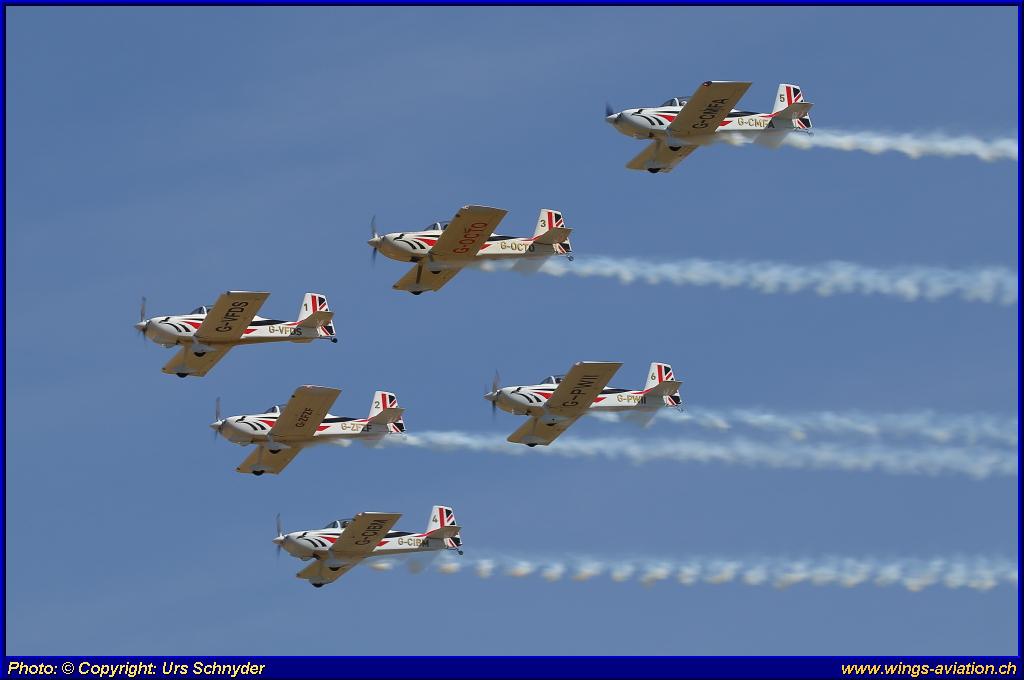
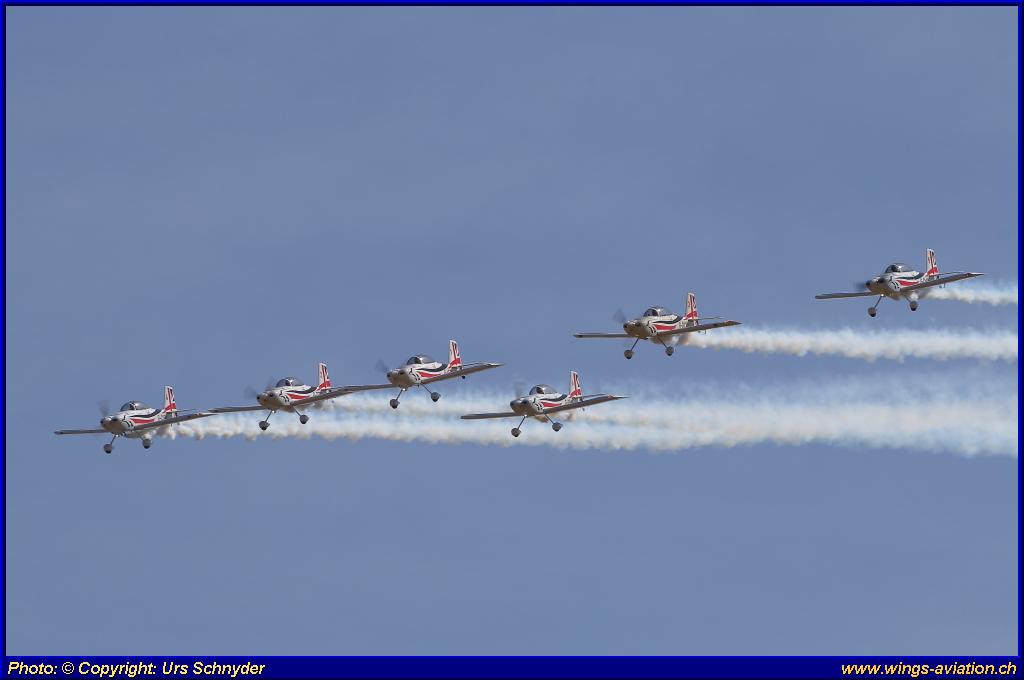
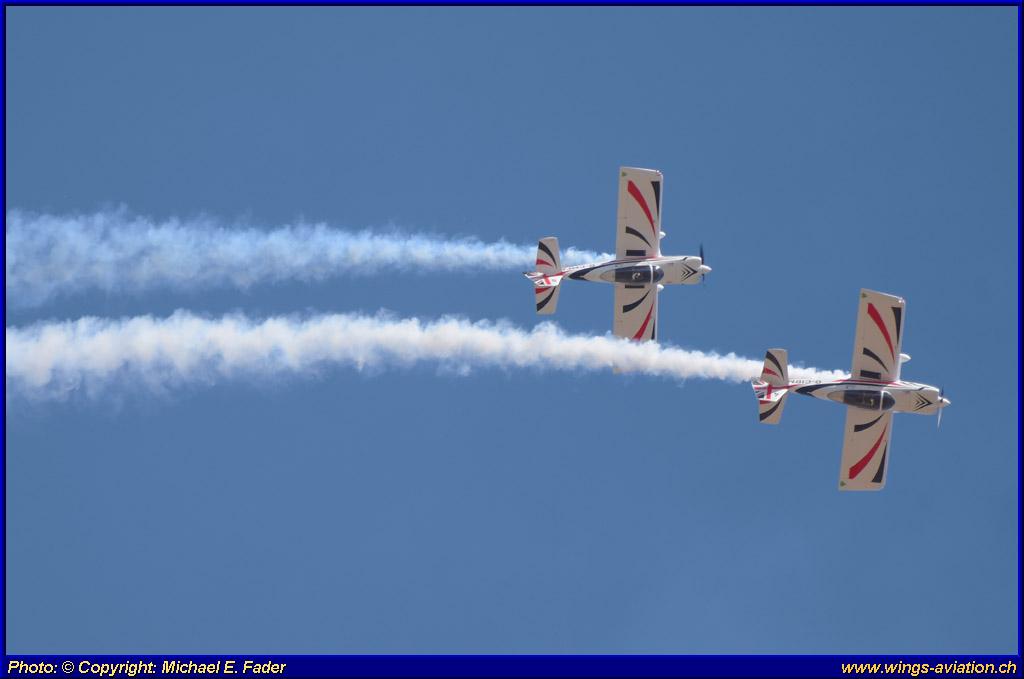
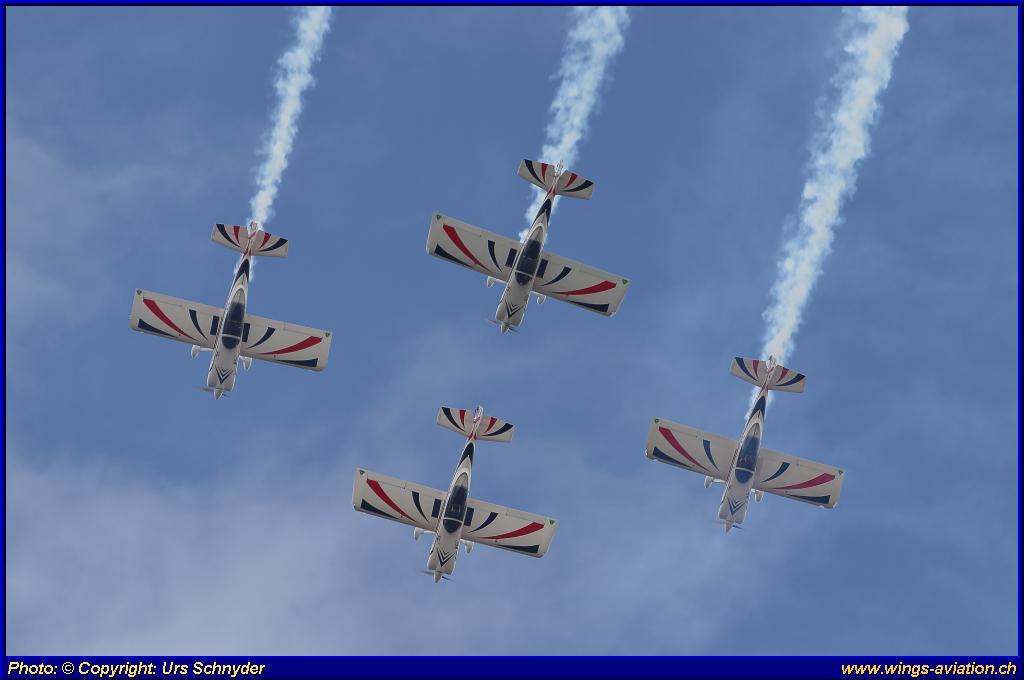
With 16 performances scheduled in Spain, France, England, Poland, Ireland, Guernsey, Jersey and Belgium, Team Raven 2026 has a packed and demanding airshow season ahead. At the Festival of Flight Air Show in Shuttleworth, unlike in previous appearances, the team performed in a full six-aircraft formation – an impressive sight as six aircraft flew through the sky in tight formation.
The team consisted of Raven 1 Simon ‘Sid’ Shirley, Raven 2 Patrick Willson, Raven 3 Pete Wells, Raven 4 Gerald Williams, Raven 5 Russ Eatwell and Raven 6 Mark Southern. Together, the six pilots demonstrated a dynamic and precise formation, in which timing and mutual trust are crucial to every single manoeuvre.
The formation is flown in the Van’s RV-8, a high-performance two-seater amateur-built aircraft characterised by its outstanding aerobatic capabilities and remarkable cruising speed. The combination of power, agility and range makes the RV-8 a versatile aircraft – ideal for competitive aerobatics as well as longer cross-country flights. When six RV-8s sweep across the airfield in tight formation, it quickly becomes clear why Team Raven is one of the must-see formations on the European airshow circuit.


(Picture courtesy Michael E. Fader)
(Picture courtesy Urs Schnyder
(Picture courtesy Urs Schnyder
(Picture courtesy Michael E. Fader)
(Picture courtesy Michael E. Fader)



(Picture courtesy Urs Schnyder
(Picture courtesy Michael E. Fader)
(Picture courtesy Urs Schnyder
(Picture courtesy Urs Schnyder


