

|
Text: |
|
|
Pictures: |

(Picture courtesy Michael E. Fader)
(Picture courtesy Michael E. Fader)
Fairground
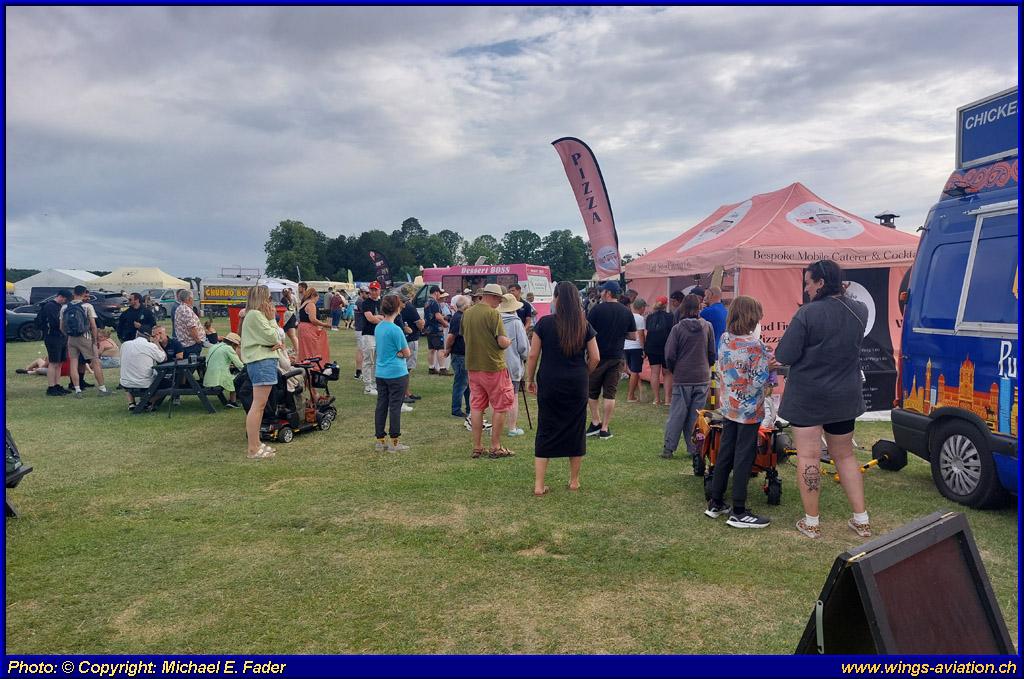
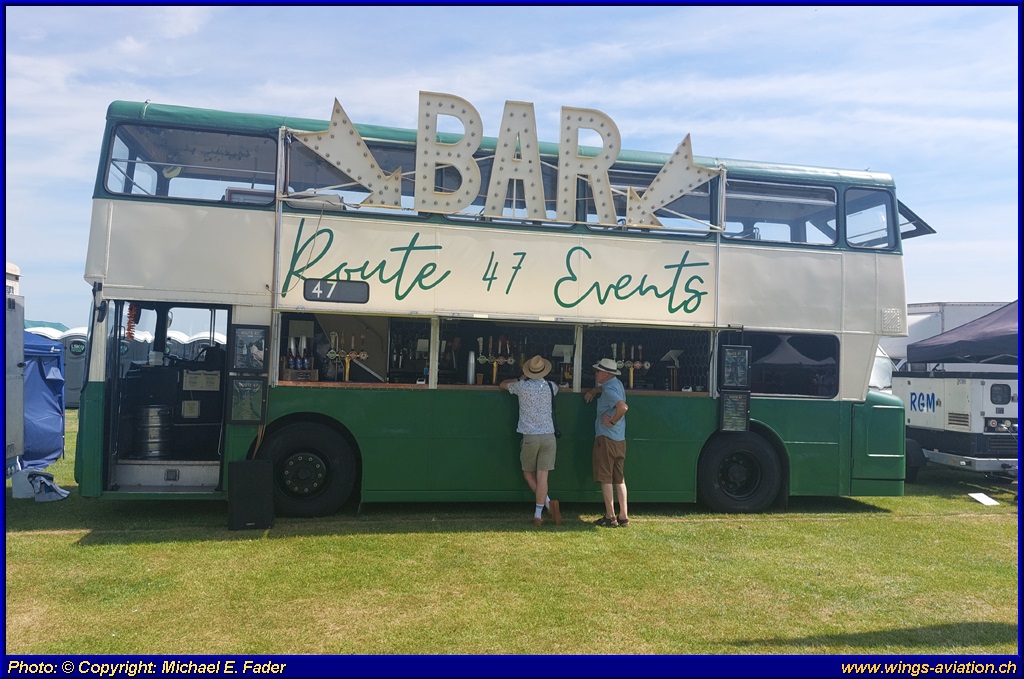
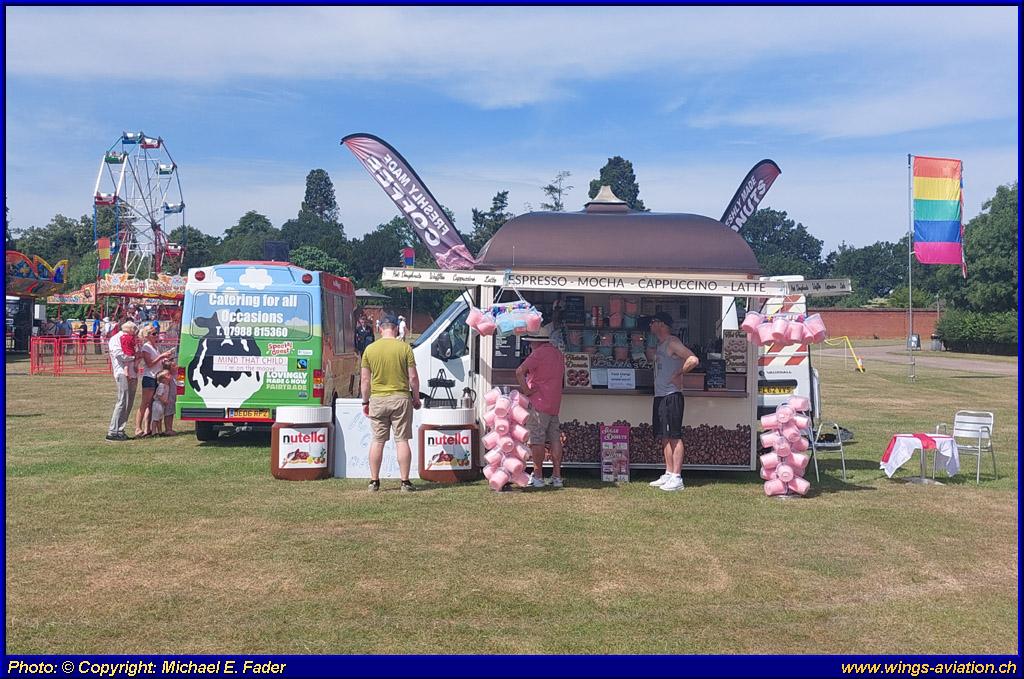
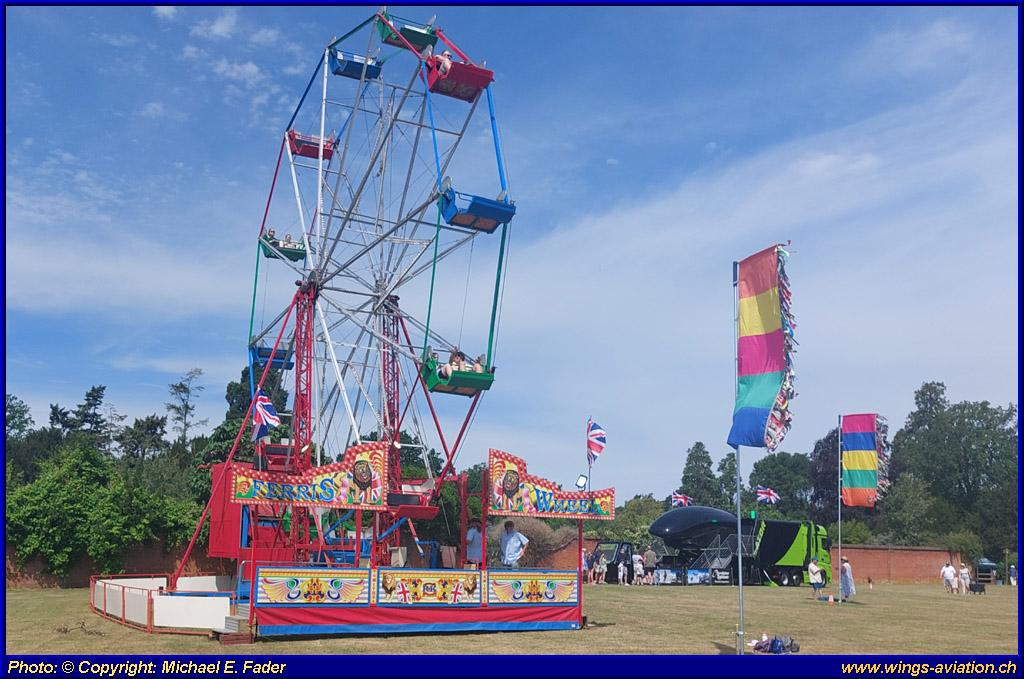
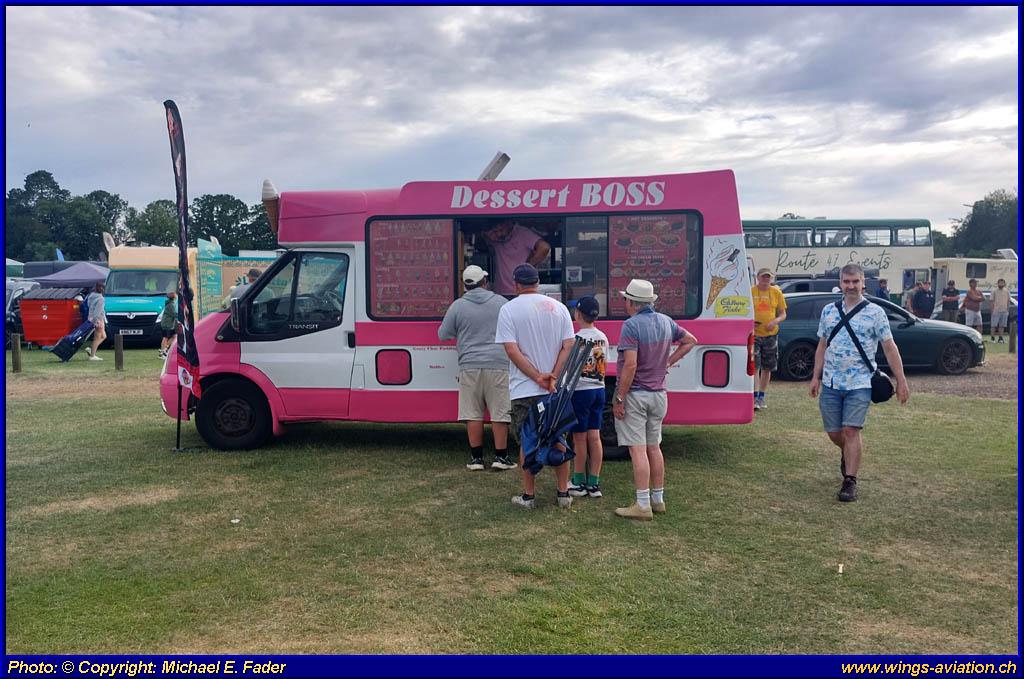
Shuttleworth isn’t just a paradise for die-hard aviation enthusiasts – families will also find plenty to enjoy here. Alongside the Swiss Garden (see last year’s report), there was a funfair with attractions for children, spectacular stunt shows and interactive discovery zones. Visitors could also take a ride on vintage buses or enjoy refreshments at the numerous food stalls. The site thus offered a wide variety of entertainment for young and old alike.
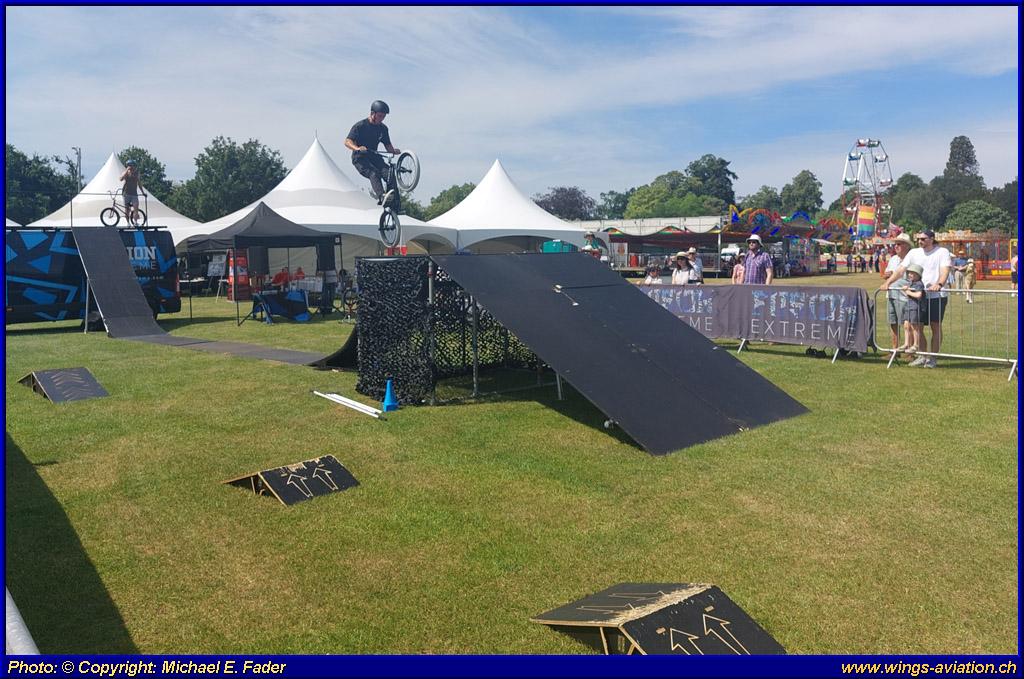
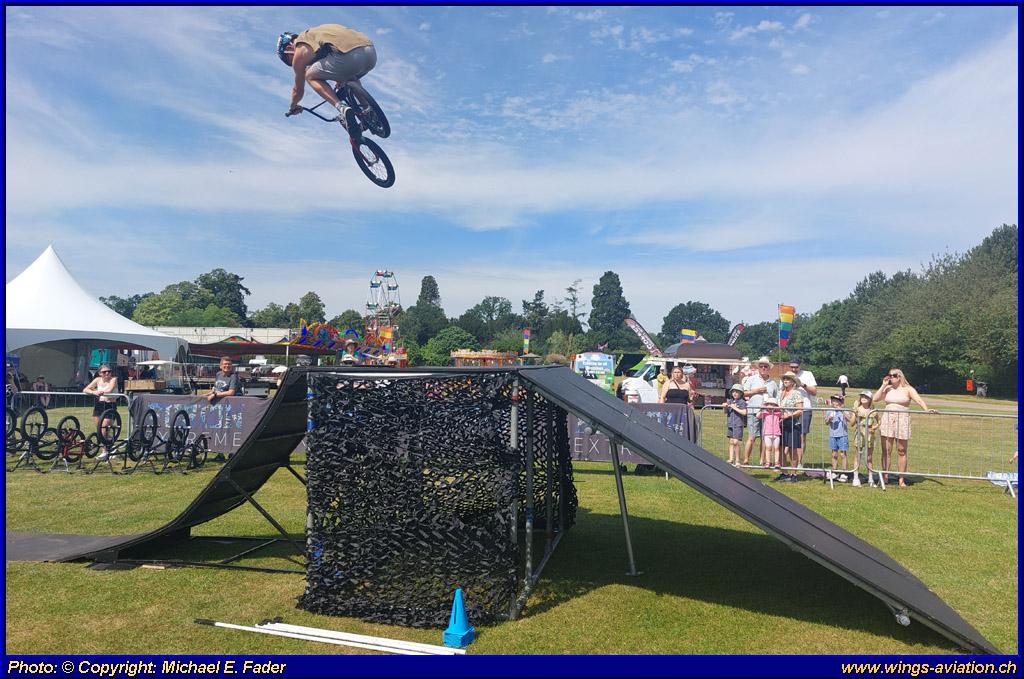

(Picture courtesy Michael E. Fader)
(Picture courtesy Michael E. Fader)
(Picture courtesy Michael E. Fader)
(Picture courtesy Michael E. Fader)
(Picture courtesy Michael E. Fader)
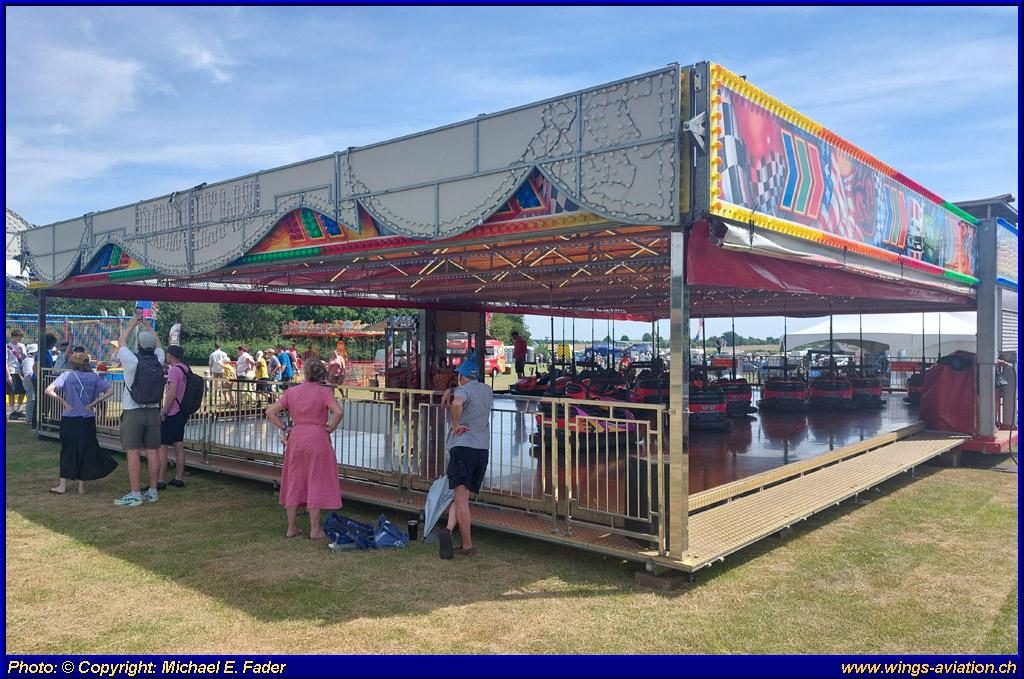


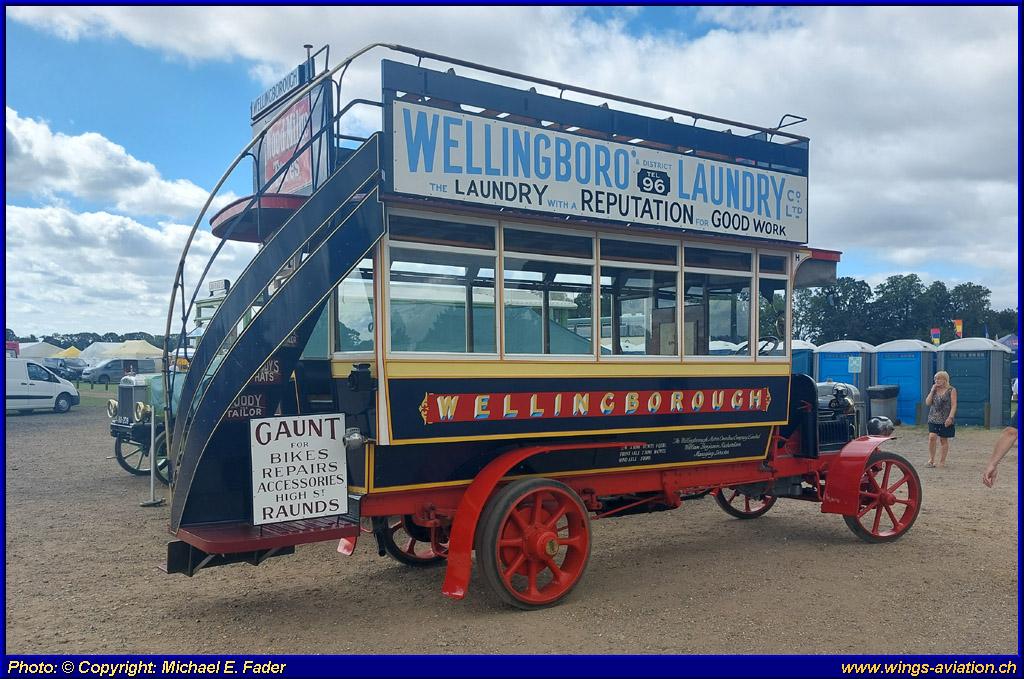
(Picture courtesy Michael E. Fader)
(Picture courtesy Michael E. Fader)
(Picture courtesy Michael E. Fader)
(Picture courtesy Michael E. Fader)
(Picture courtesy Michael E. Fader)
Radial Engines
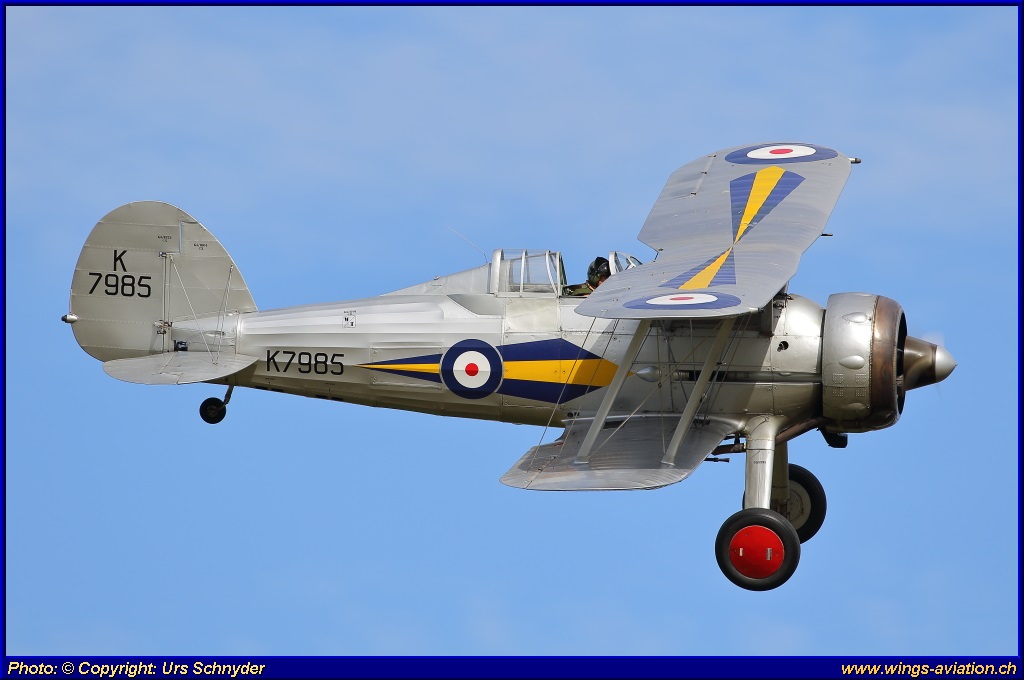
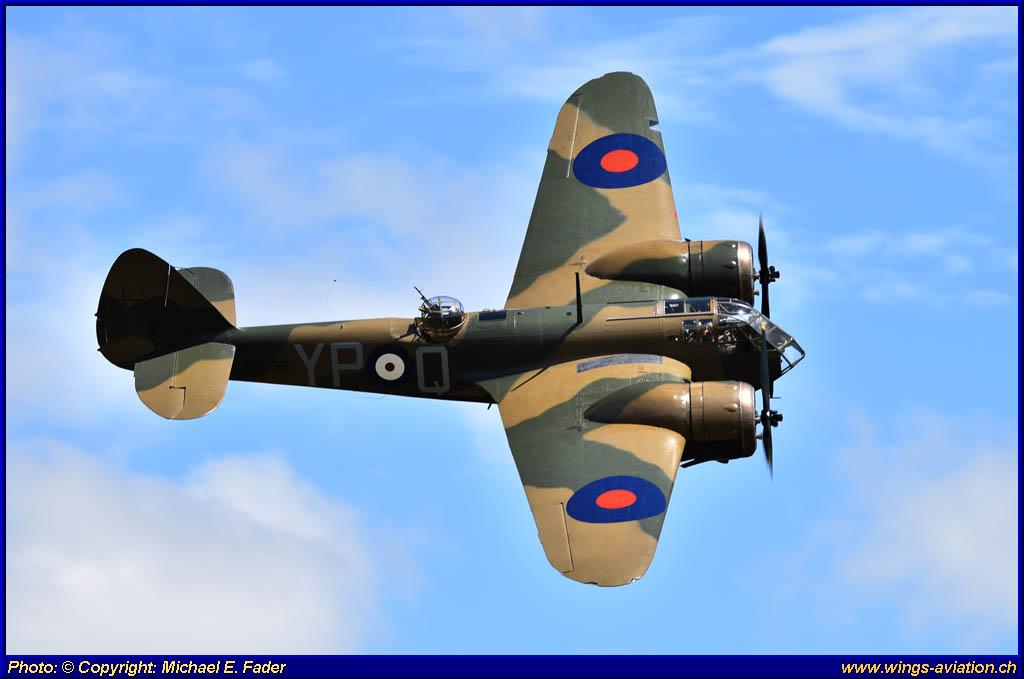
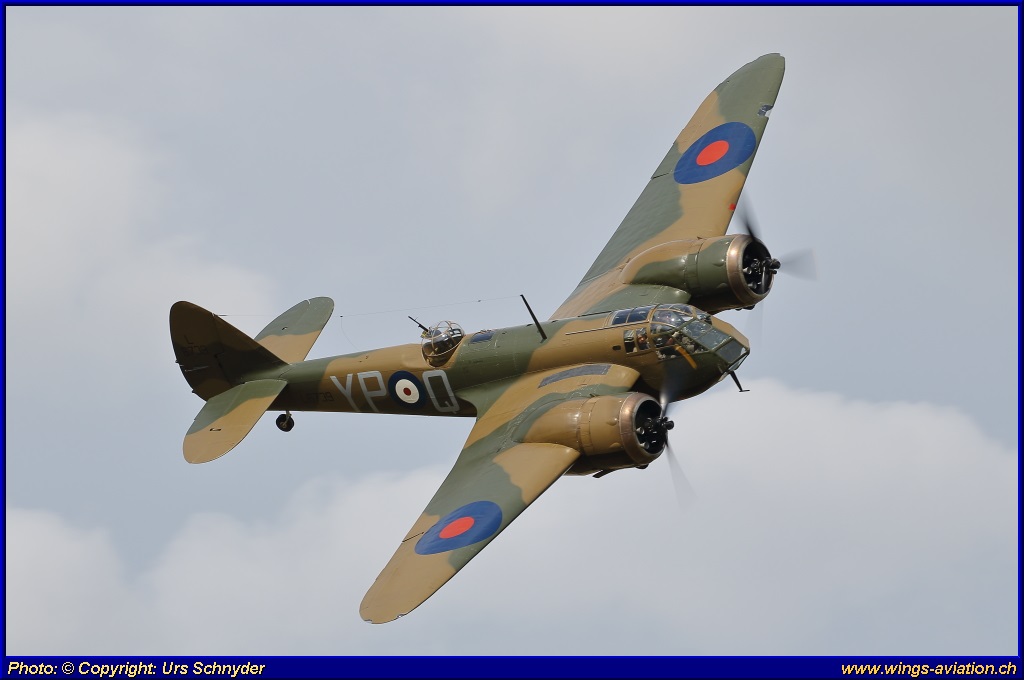
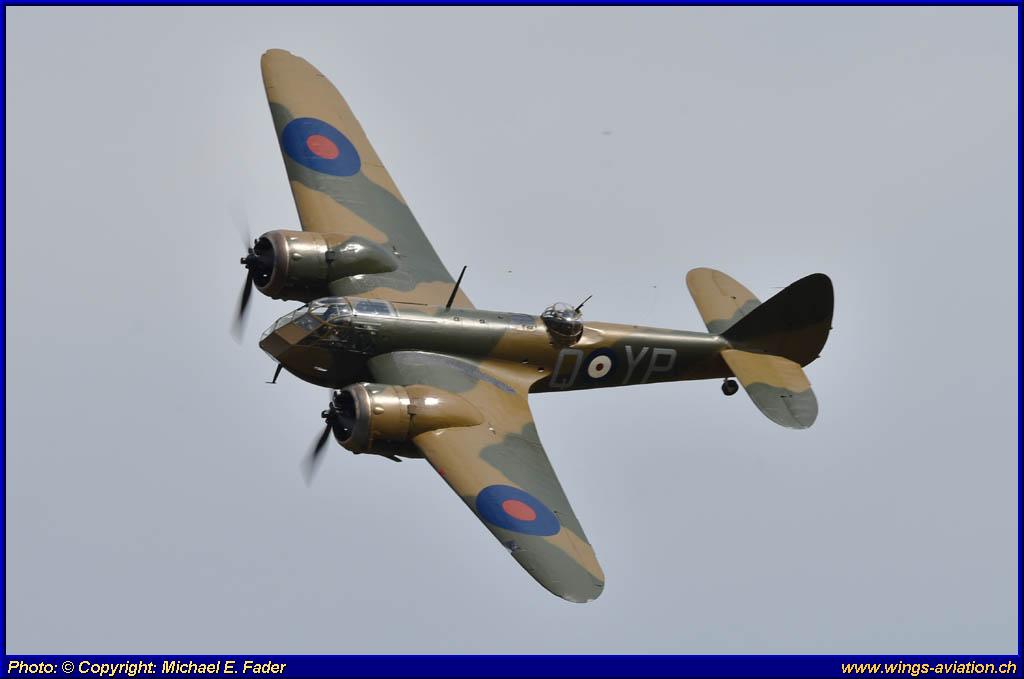
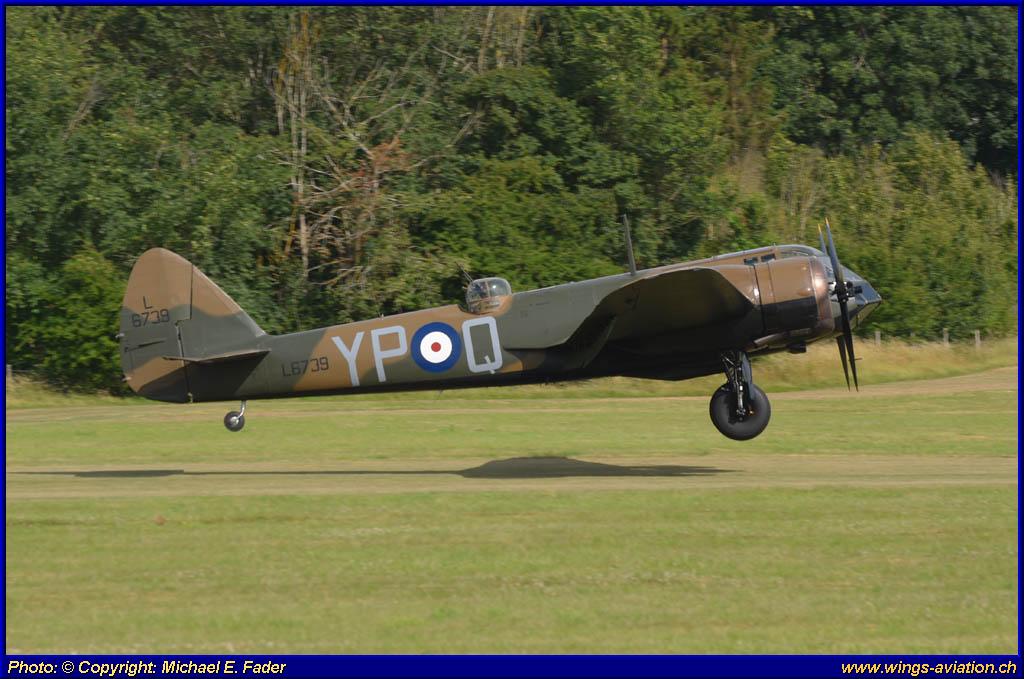
As mentioned at the outset, the two days at Old Warden were effectively two separate air shows, each with a different programme. The flight demonstrations were organised by theme and showcased the aircraft in various historical and technical contexts. One part of the programme was devoted to radial engines, with a particular focus on the legendary Bristol Mercury radial engine. This powered no fewer than three of the aircraft on display: the Bristol Blenheim, the Gloster Gladiator and the Westland Lysander. In addition to impressive formation flights, the aircraft were also presented individually, showcasing their flight characteristics and the pilots’ skills to great effect.
The three aircraft types featured, powered by the 800 PS Bristol Mercury radial engine, were the Westland Lysander Mk III (G-AZWT), the Gloster Gladiator Mk I (G-AMRK) and the Bristol Blenheim Mk IF (G-BPIV). Around 21,000 Bristol Mercury engines were manufactured in the UK. The most common aircraft to be powered by this engine was the Bristol Blenheim, which was deployed in numerous variants as a light bomber, long-range fighter and reconnaissance aircraft.
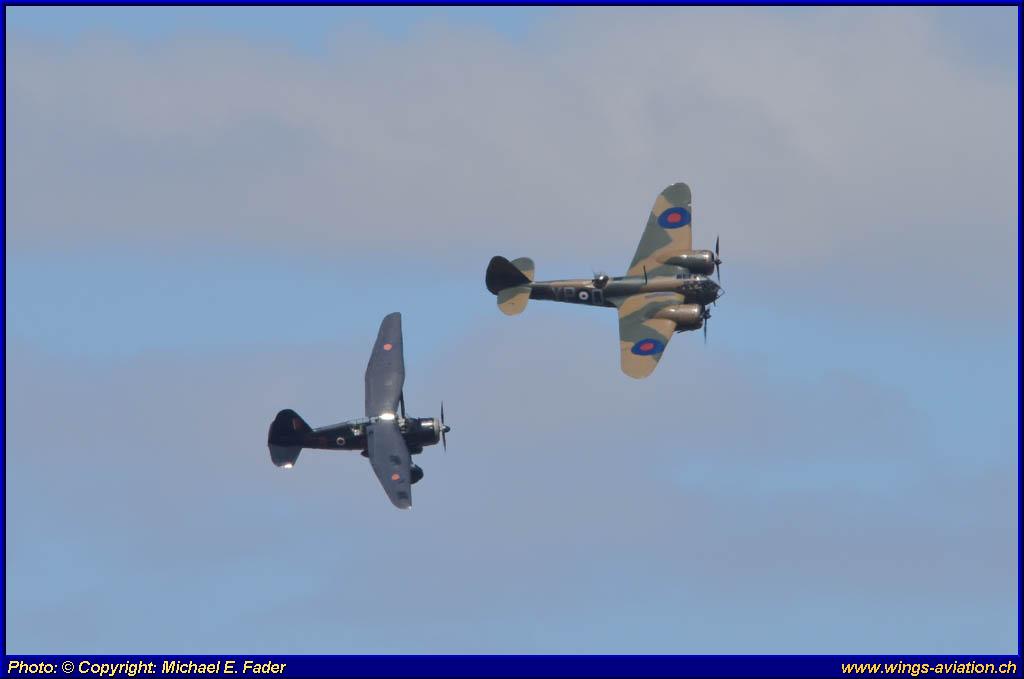


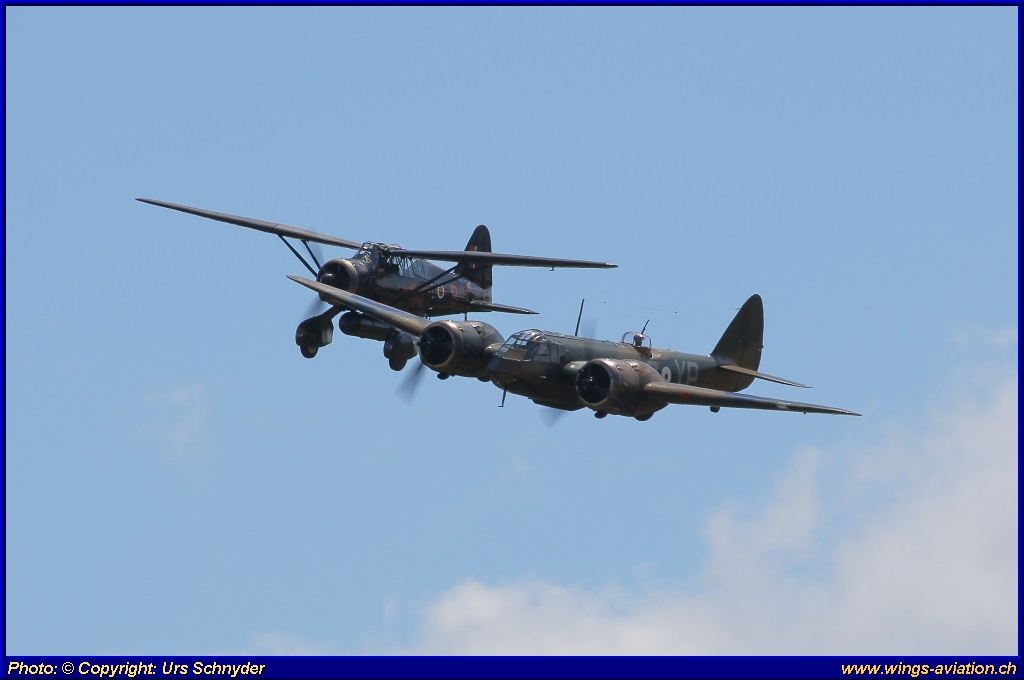
Lysander & Blennheim (Picture courtesy Michael E. Fader)
Lysander & Blennheim (Picture courtesy Urs Schnyder)
Lysander & Blennheim (Picture courtesy Urs Schnyder)
Lysander & Blennheim (Picture courtesy Michael E. Fader)
Lysander & Blennheim (Picture courtesy Urs Schnyder)
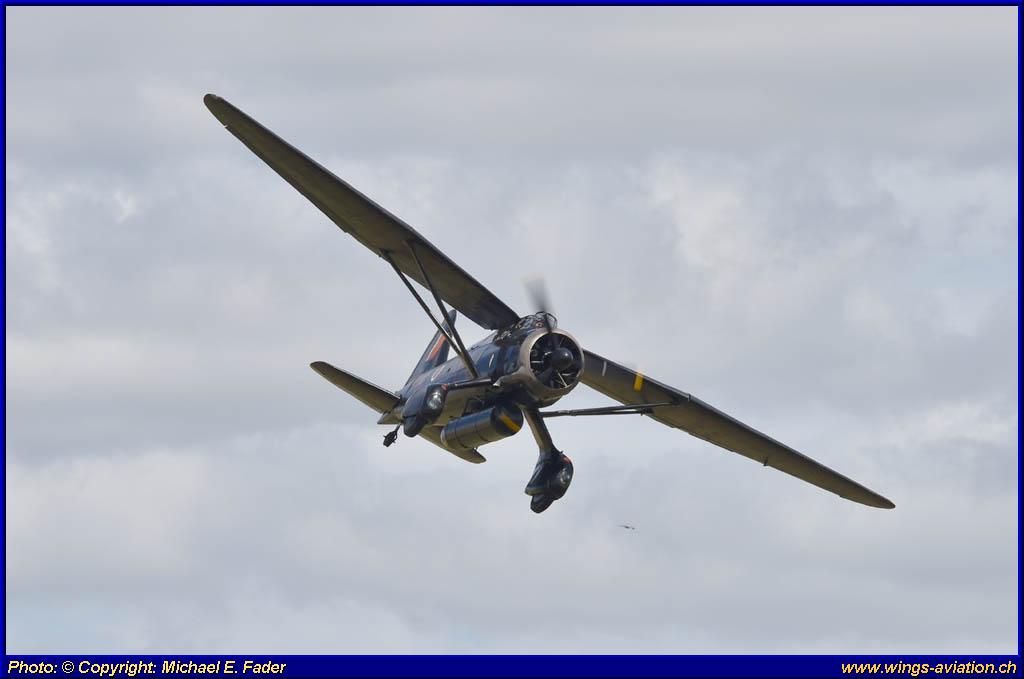
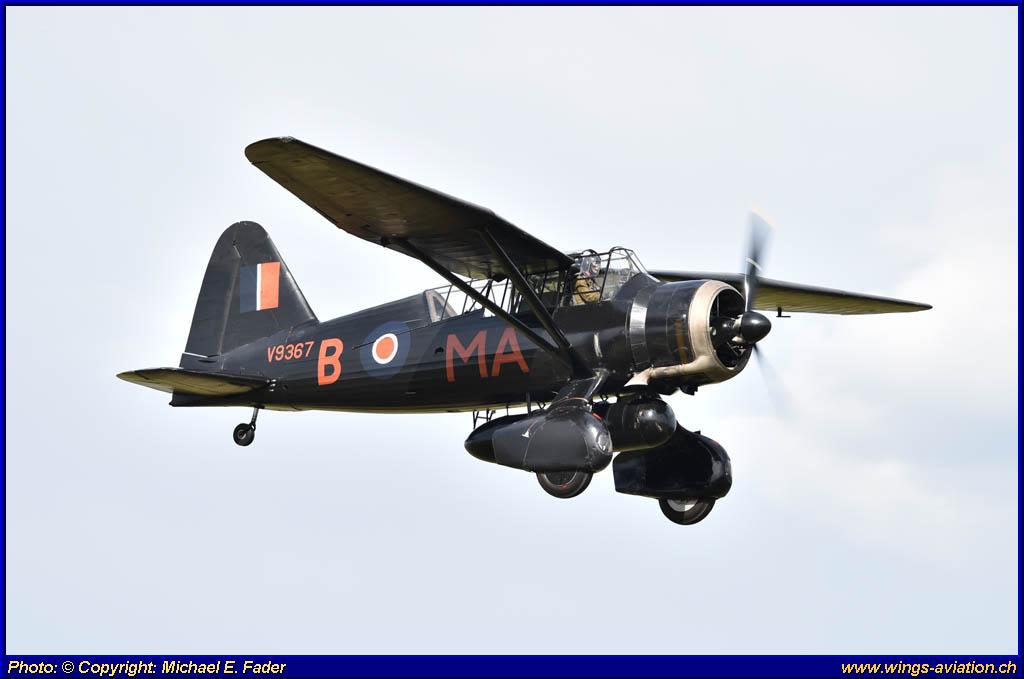


Westland Lysander Mk III G-AZWT (Picture courtesy Michael E. Fader)
Westland Lysander Mk III G-AZWT (Picture courtesy Michael E. Fader)
Westland Lysander Mk III G-AZWT (Picture courtesy Urs Schnyder)
Gloster Gladiator Mk I G-AMRK (Picture courtesy Urs Schnyder)
Gloster Gladiator Mk I G-AMRK (Picture courtesy Urs Schnyder)
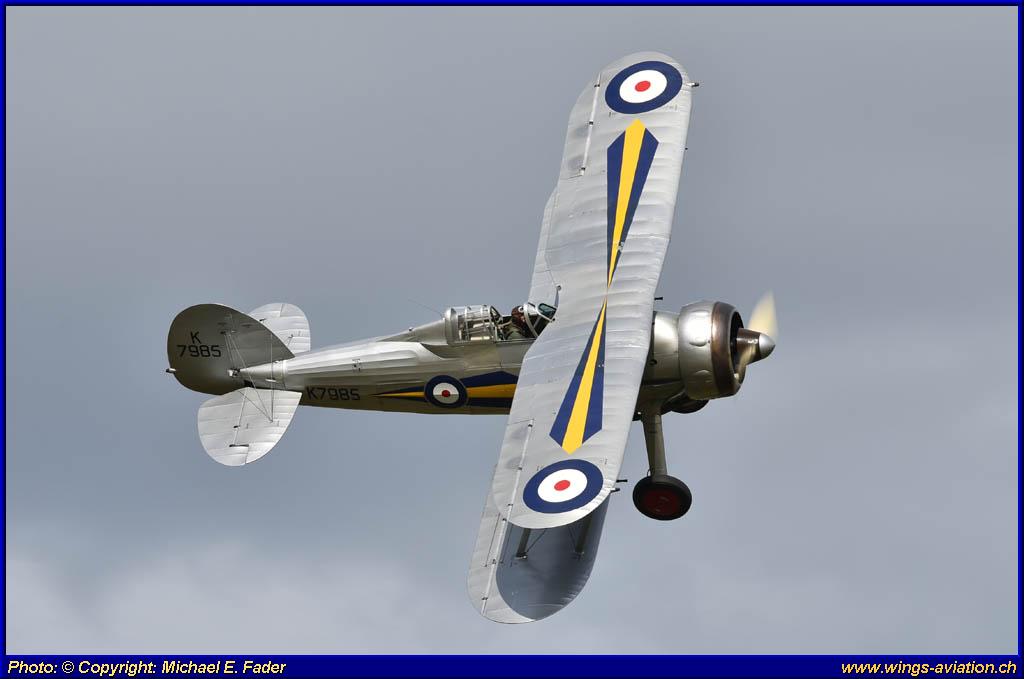
Gloster Gladiator Mk I G-AMRK (Picture courtesy Michael E. Fader)
Bristol Blenheim Mk IF G-BPIV (Picture courtesy Michael E. Fader)
Bristol Blenheim Mk IF G-BPIV (Picture courtesy Urs Schnyder)
Bristol Blenheim Mk IF G-BPIV (Picture courtesy Michael E. Fader)
Bristol Blenheim Mk IF G-BPIV (Picture courtesy Michael E. Fader)
www.airdisplay.com
Mark Jefferies of the Global Stars Team put on an aerobatic display of the very highest calibre – even though the four-member team was not fully represented at Old Warden. Jefferies is a multiple British champion in Unlimited aerobatics and has been renowned worldwide as an airshow pilot for his spectacular displays since the 1980s. He is particularly impressive when flying aircraft such as the Extra 330SC.
Over the two days of the event, he flew two different aircraft: on Saturday he flew the Extra 300S (G-EXIL), and on Sunday the Extra 330SC (G-IHHI). Both displays thrilled the audience with precise and spectacular aerobatics.

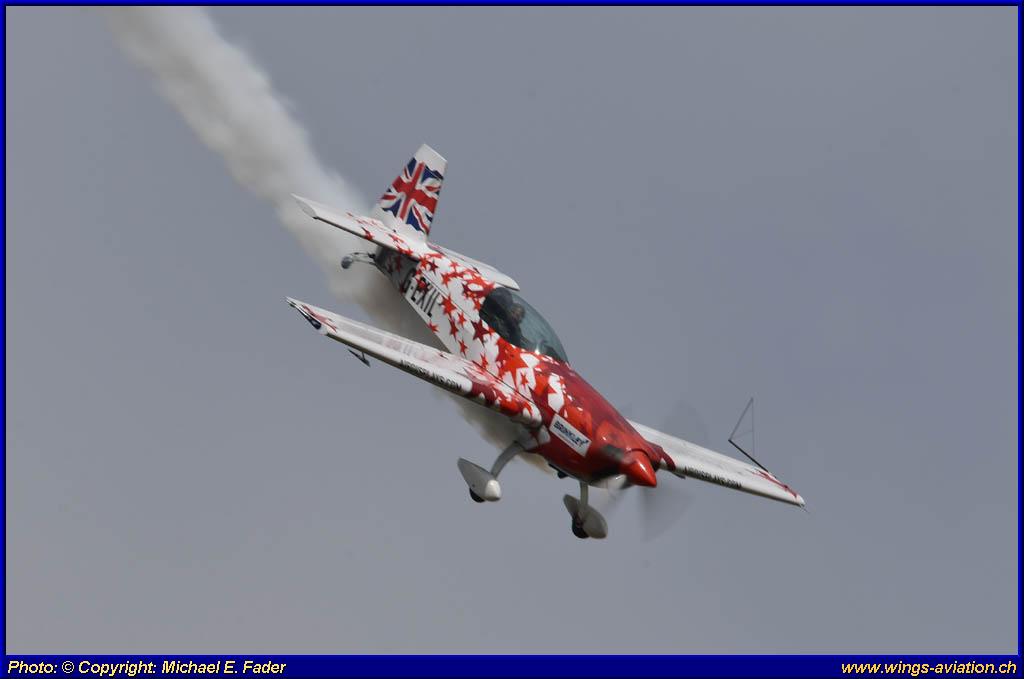
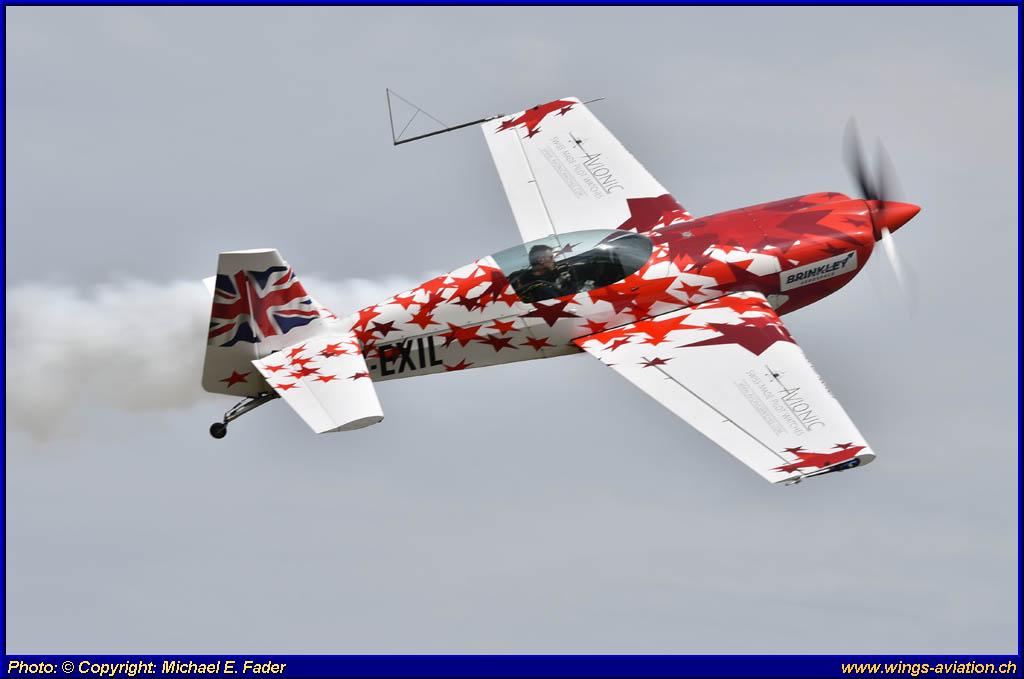
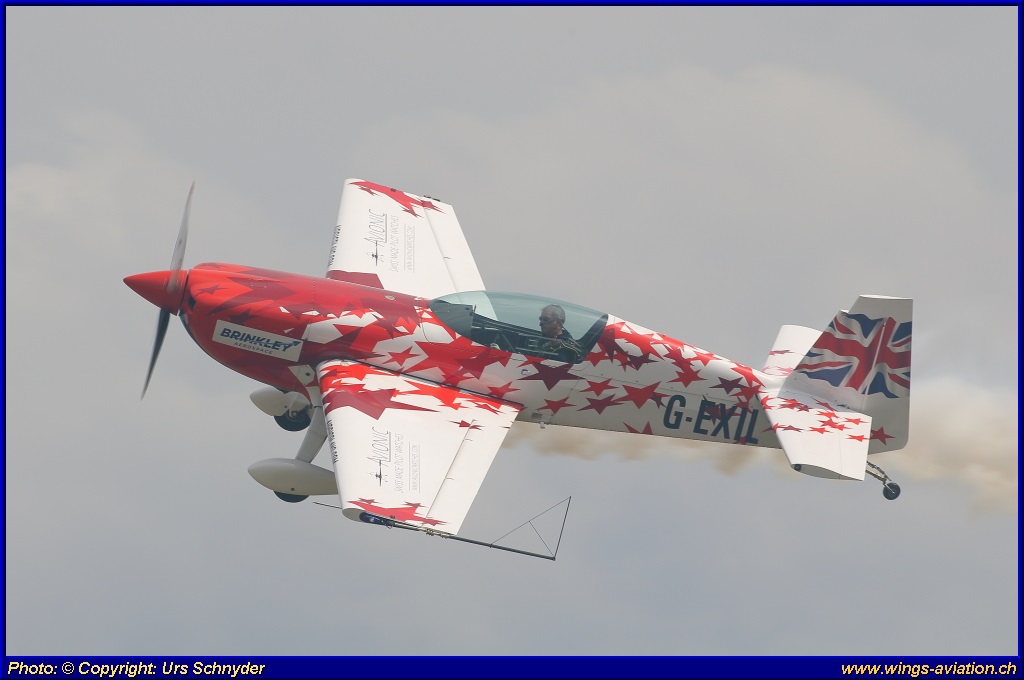
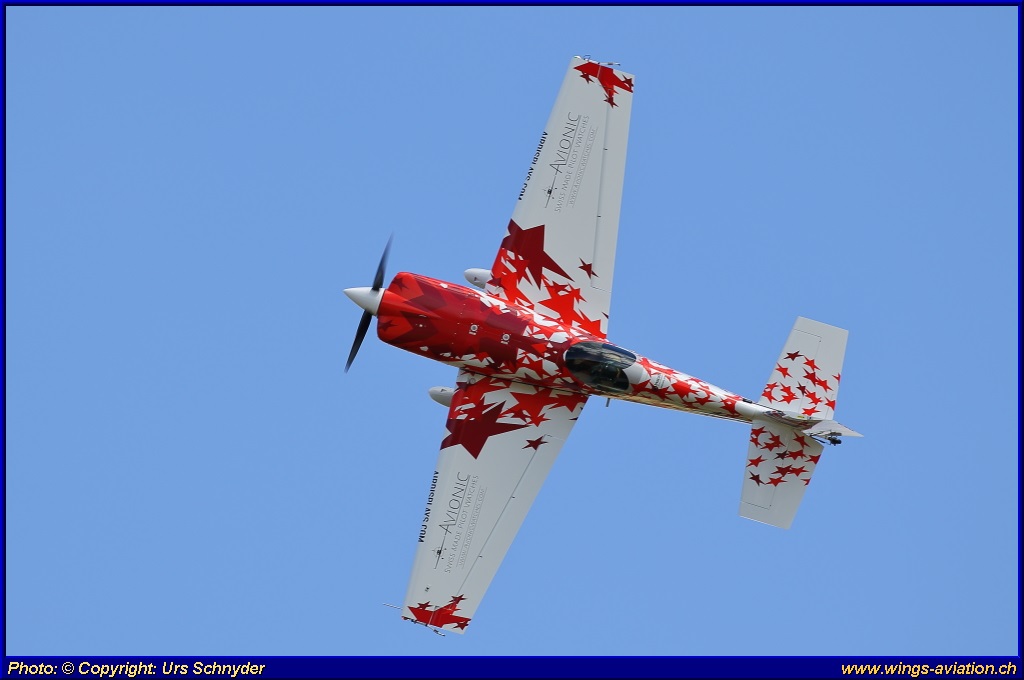
Extra 300S G-EXIL (Picture courtesy Michael E. Fader)
Extra 300S G-EXIL (Picture courtesy Michael E. Fader)
Extra 300S G-EXIL (Picture courtesy Michael E. Fader)
Extra 300S G-EXIL (Picture courtesy Urs Schnyder)
Extra 300S G-EXIL (Picture courtesy Urs Schnyder)
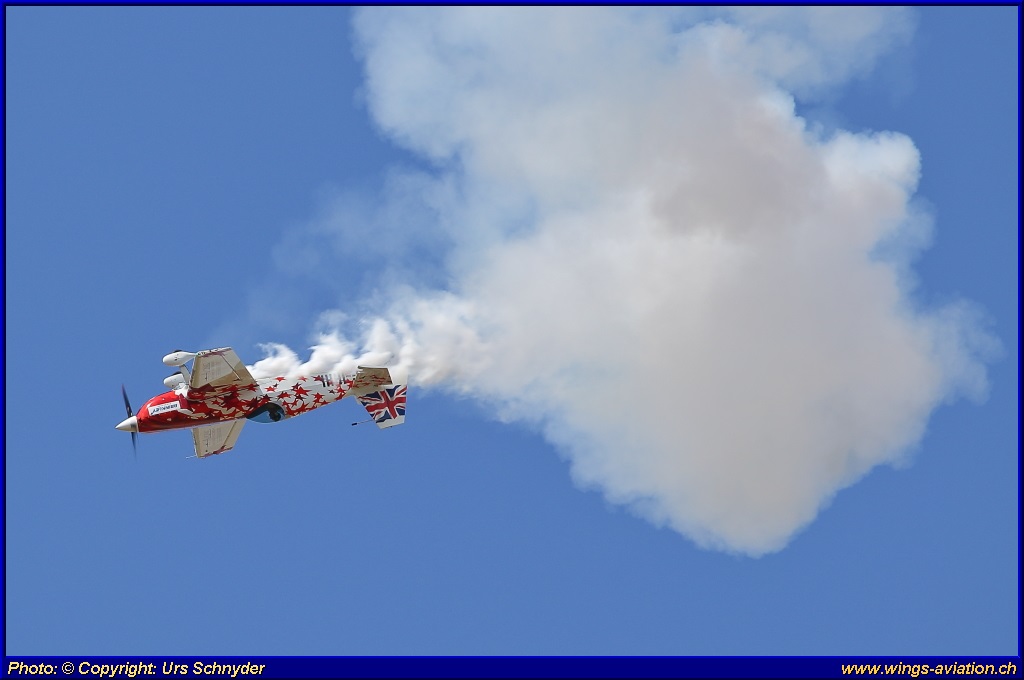
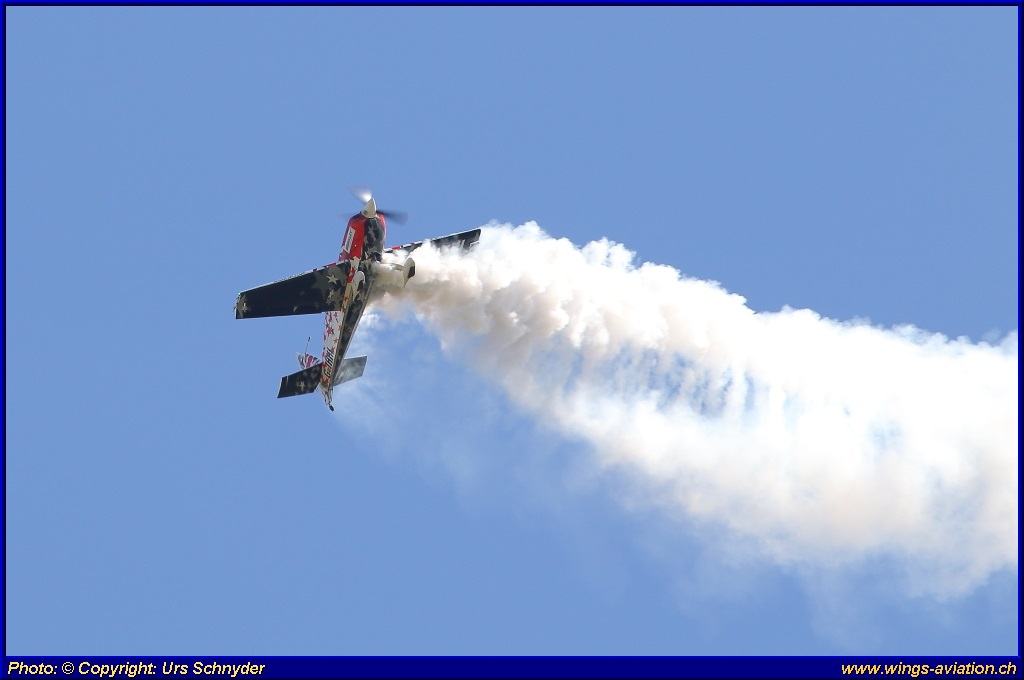
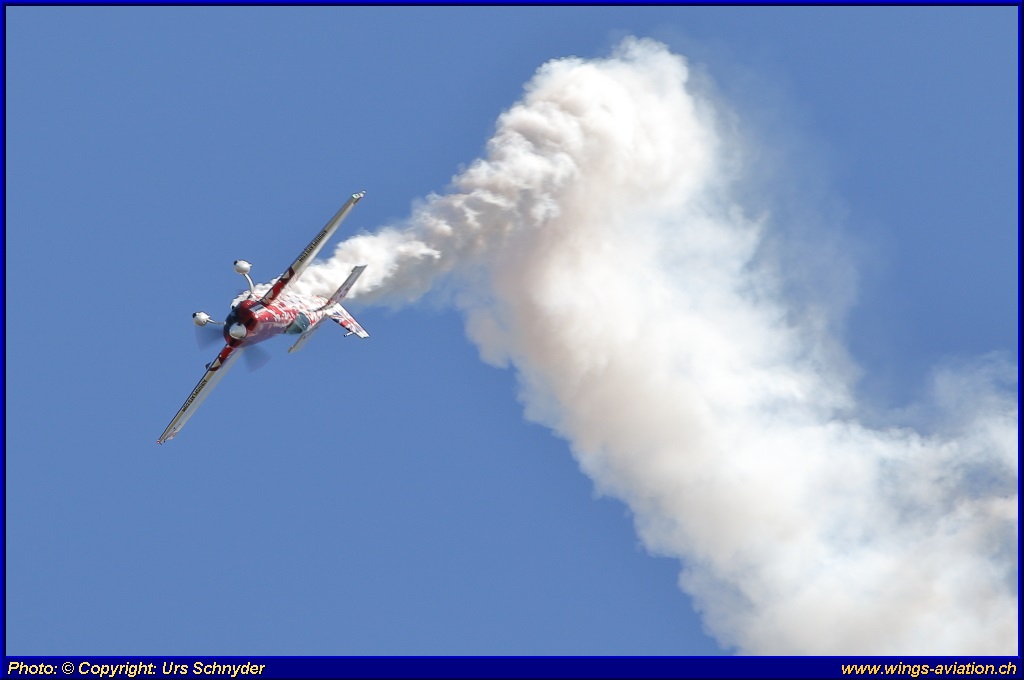

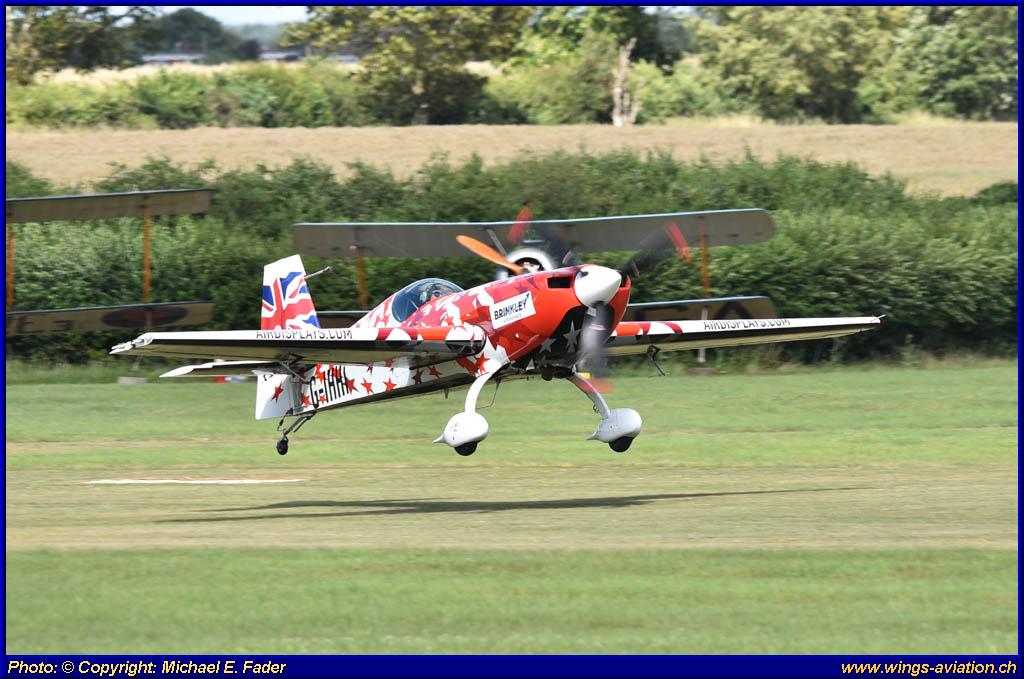
Extra 330SC G-IHHI (Picture courtesy Urs Schnyder)
Extra 330SC G-IHHI (Picture courtesy Urs Schnyder)
Extra 330SC G-IHHI (Picture courtesy Urs Schnyder)
Extra 330SC G-IHHI (Picture courtesy Michael E. Fader)
Extra 330SC G-IHHI (Picture courtesy Michael E. Fader)
Piper & Auster
 Last
year, the Commemorative Air Force was represented by a Douglas R4D-6S
Skytrain (N151ZE) in U.S. Navy livery. This year, the French branch of
the Commemorative Air Force took part with a Piper NE-1 Cub ‘Little Blue
Cloud’ (F-GHLQ). This aircraft, flown by Jean-Yves Cercy, was also
painted in the colours of the U.S. Navy.
Last
year, the Commemorative Air Force was represented by a Douglas R4D-6S
Skytrain (N151ZE) in U.S. Navy livery. This year, the French branch of
the Commemorative Air Force took part with a Piper NE-1 Cub ‘Little Blue
Cloud’ (F-GHLQ). This aircraft, flown by Jean-Yves Cercy, was also
painted in the colours of the U.S. Navy.
The Piper NE-1 is the U.S. Navy’s designation for the Piper J3C-65 Cub, an aircraft used during the Second World War for pilot training and as a multi-purpose aircraft. The aircraft is painted to represent BuAer 26359, which was in service with Squadron ZP-32 at Naval Air Station Moffett Field in California from 1942 to 1943. Although powered by just a 65 PS engine, aircraft such as this played a quiet but important role in supporting coastal defence operations, including anti-submarine warfare and the coordination of airship units along the US west coast.

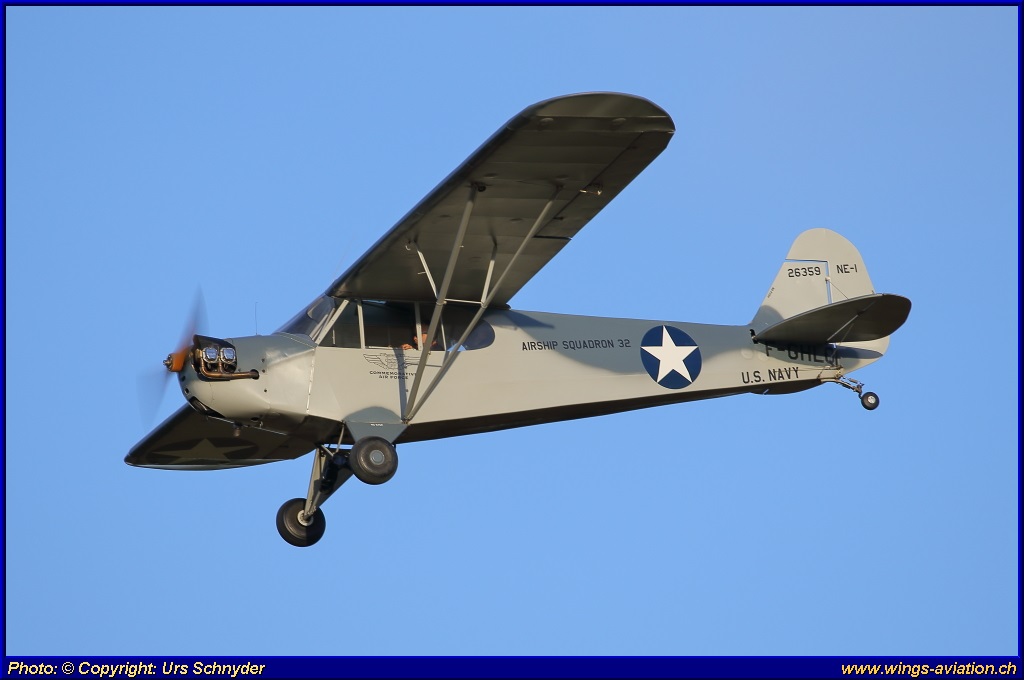
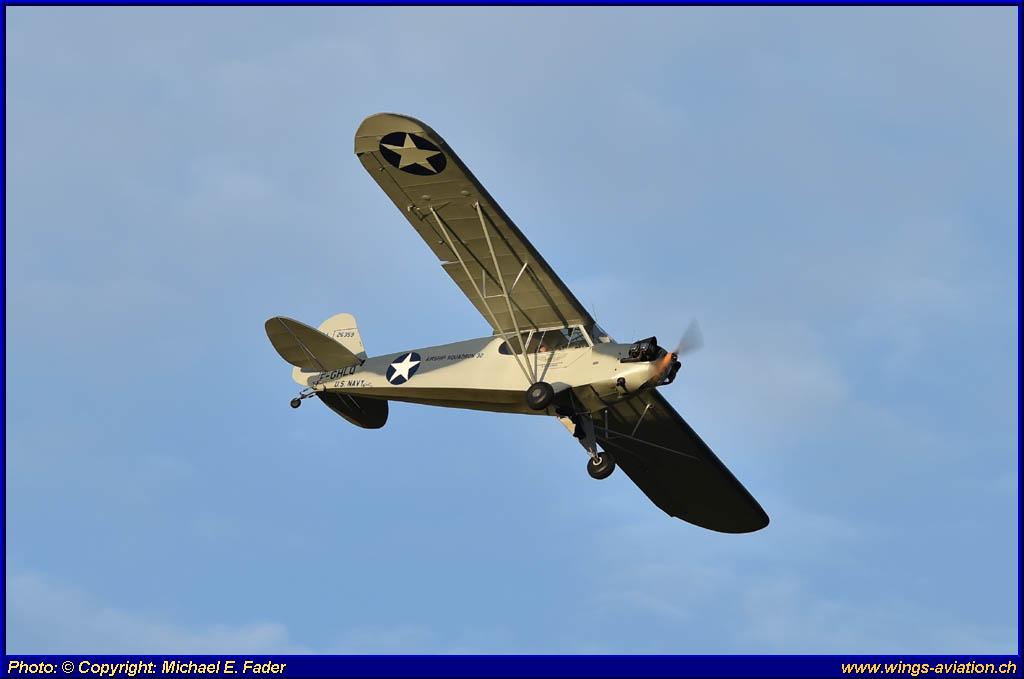

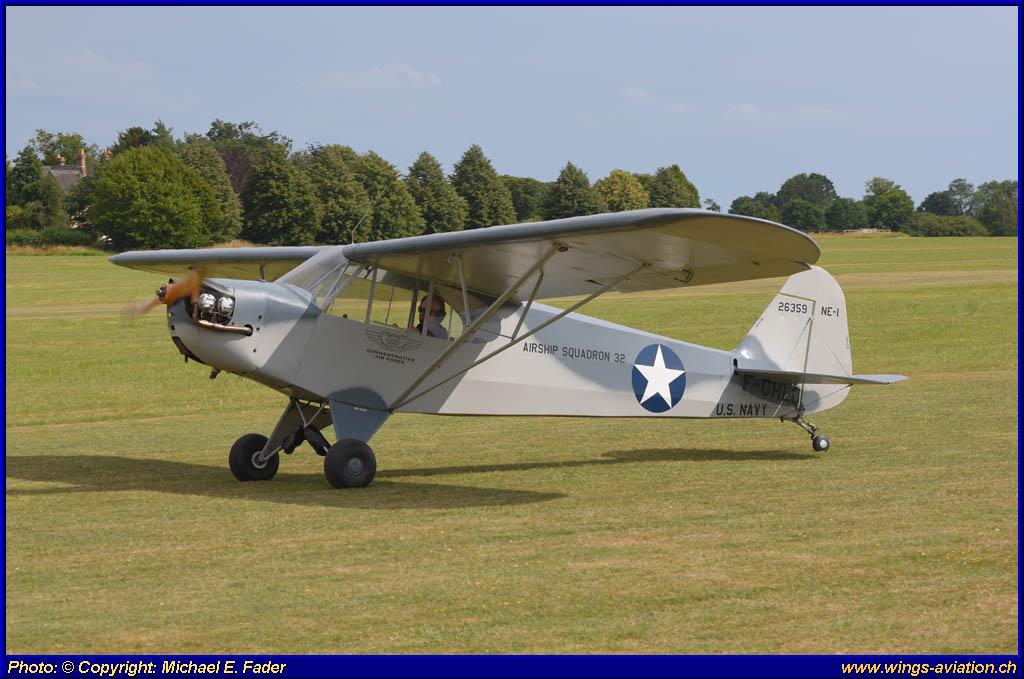
Piper NE-1 Cub F-GHLQ (Picture courtesy Michael E. Fader)
Piper NE-1 Cub F-GHLQ (Picture courtesy Urs Schnyder)
Piper NE-1 Cub F-GHLQ (Picture courtesy Michael E. Fader)
Piper NE-1 Cub F-GHLQ (Picture courtesy Urs Schnyder)
Piper NE-1 Cub F-GHLQ (Picture courtesy Michael E. Fader)
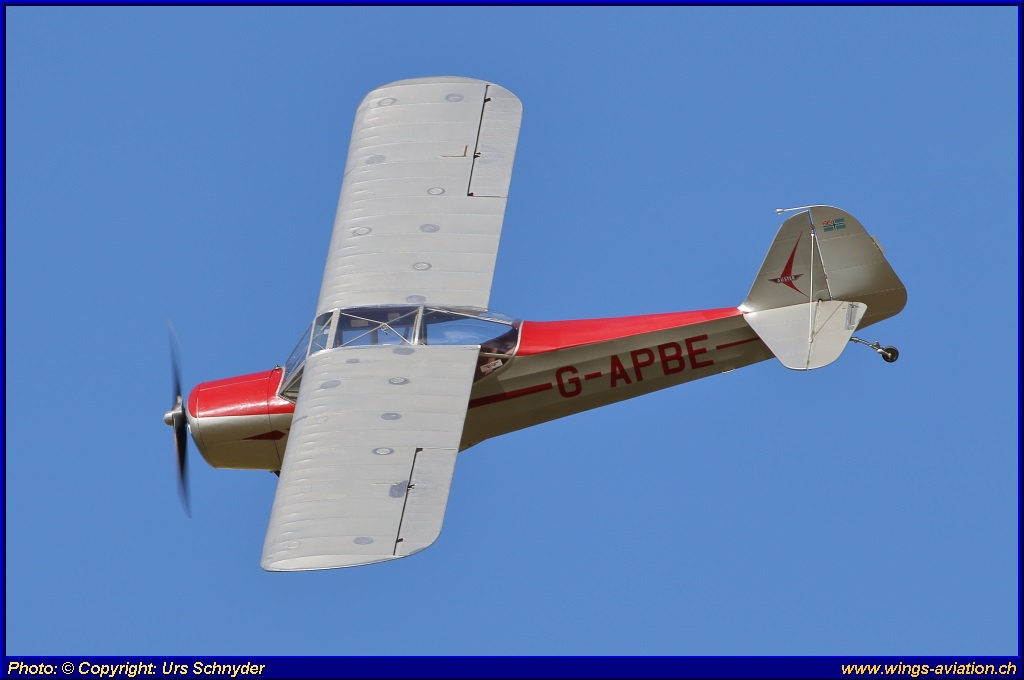
Another aircraft type from the history of civil aviation also provided a welcome change of pace: the Beagle Auster J/5 Alpha / Mk5, which is very similar to the Piper Cub and, like it, traces its origins back to Taylorcraft. At Old Warden, it was flown in a civil version, offering an interesting contrast to the otherwise dominant aerobatic displays.
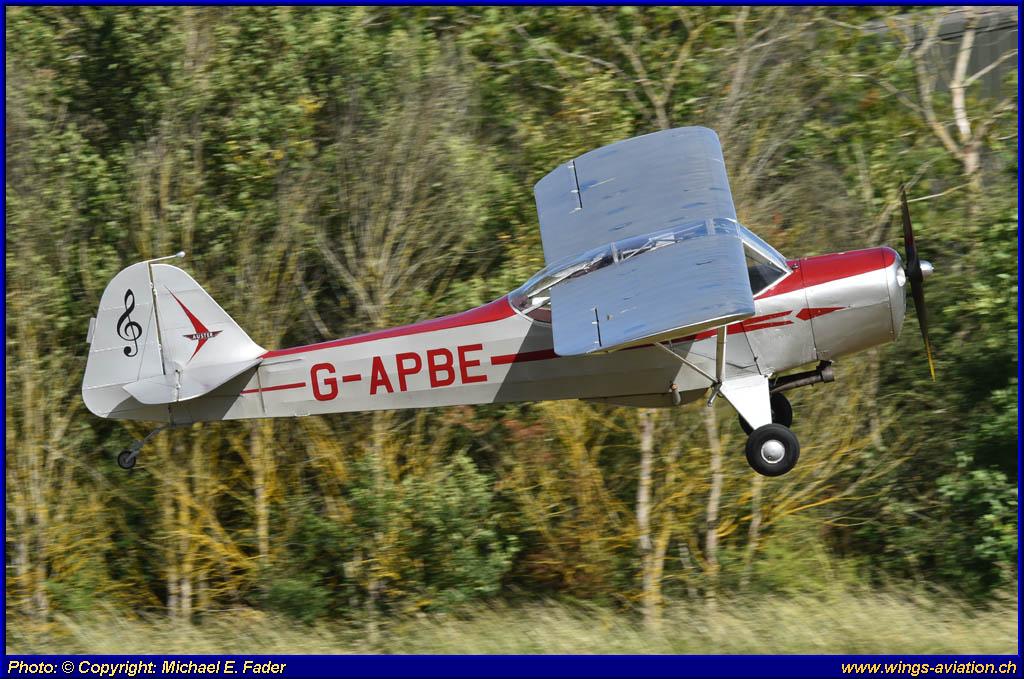
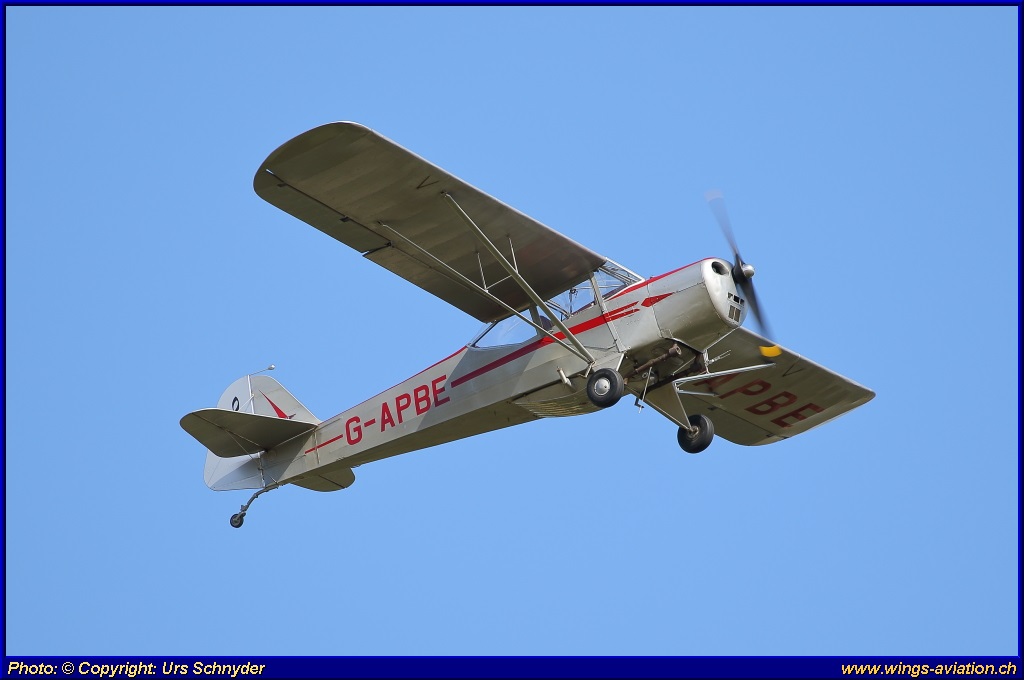
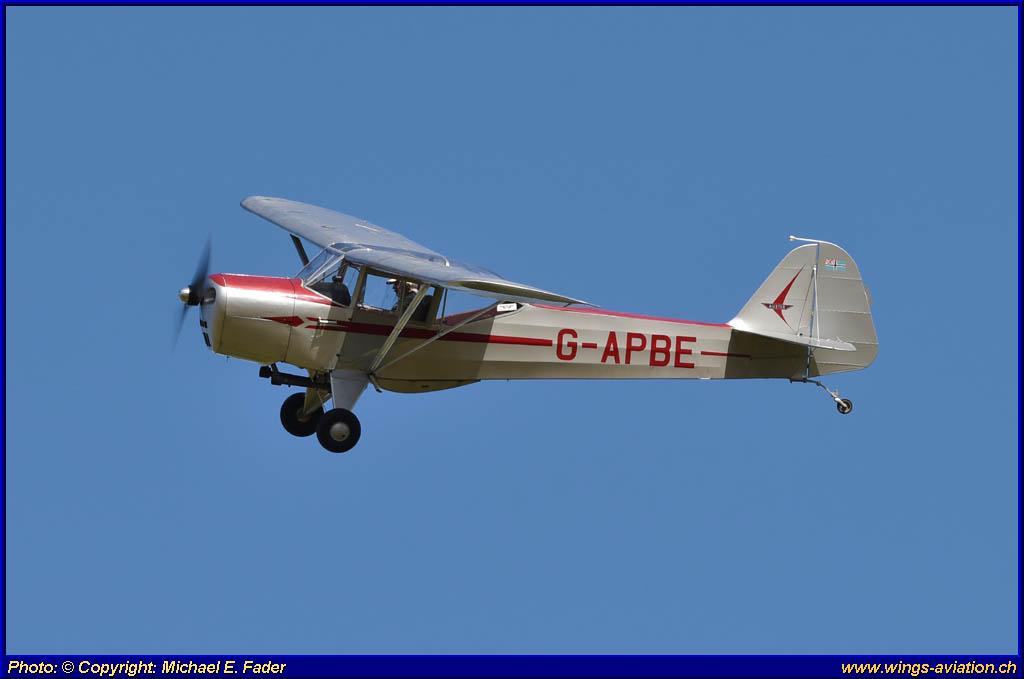
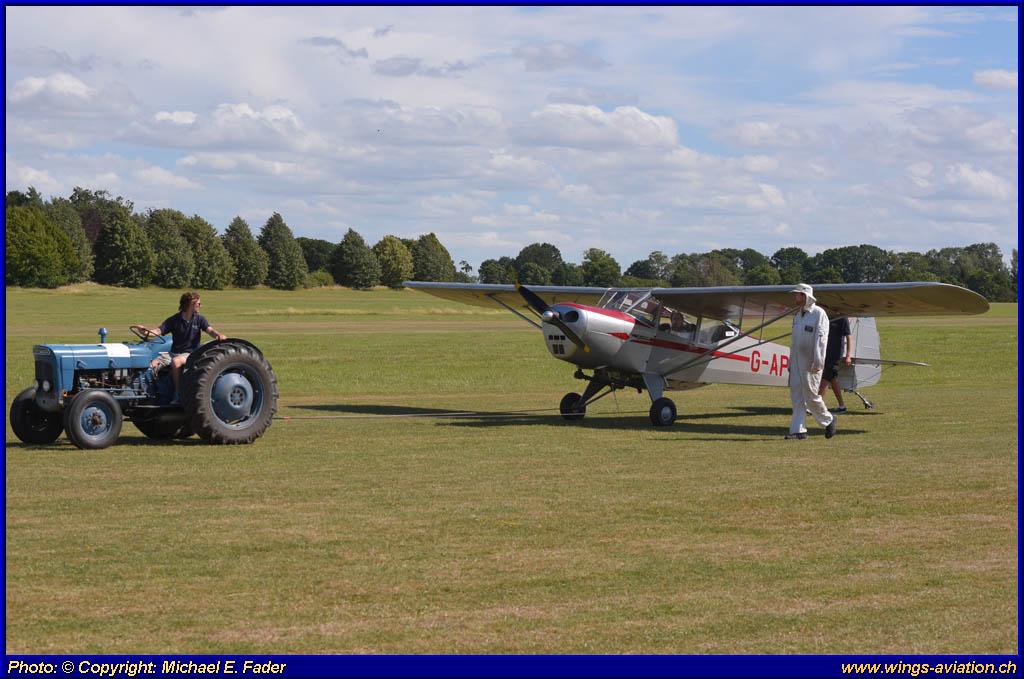
Beagle Auster J/5 Alpha / Mk5, G-APBE (Picture courtesy Michael E. Fader)
Beagle Auster J/5 Alpha / Mk5, G-APBE (Picture courtesy Urs Schnyder)
Beagle Auster J/5 Alpha / Mk5, G-APBE (Picture courtesy Michael E. Fader)
Beagle Auster J/5 Alpha / Mk5, G-APBE (Picture courtesy Urs Schnyder)
Beagle Auster J/5 Alpha / Mk5, G-APBE (Picture courtesy Michael E. Fader)
Fighter
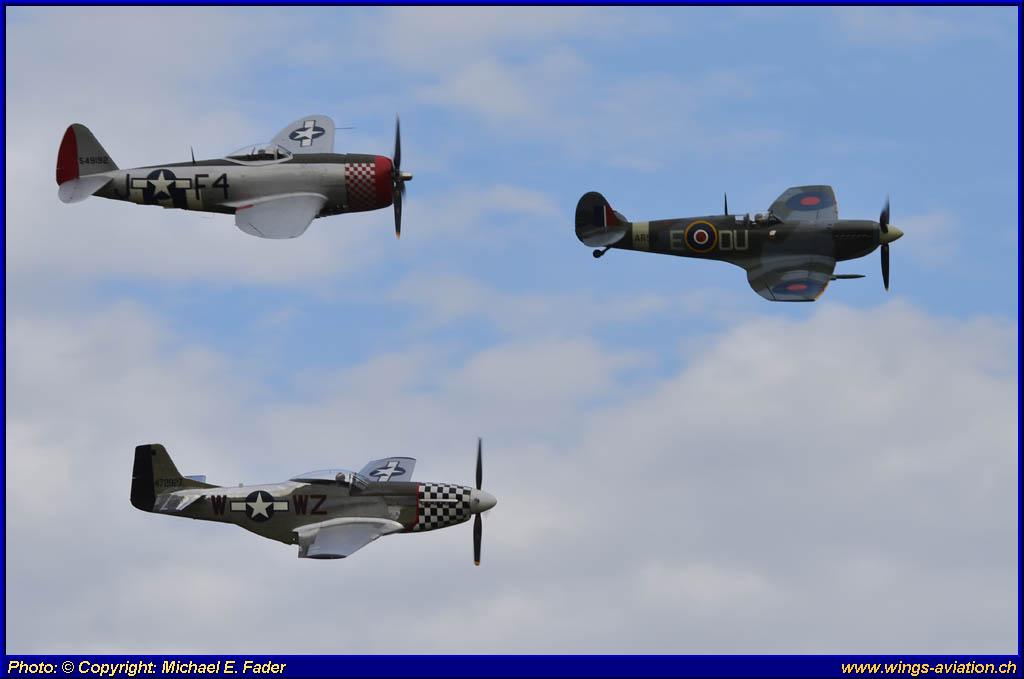
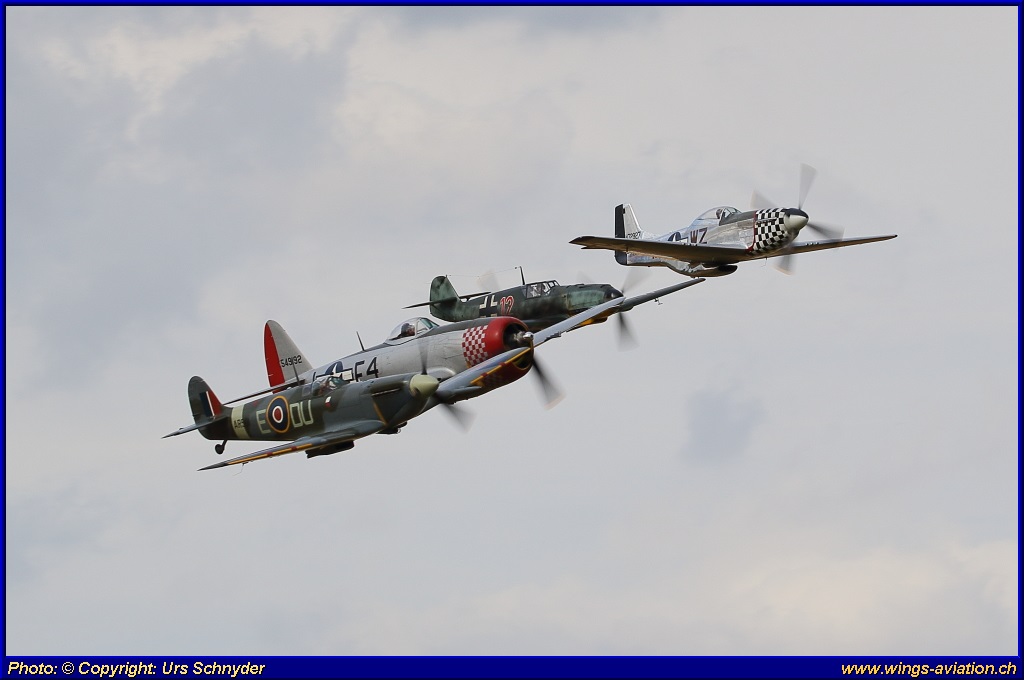
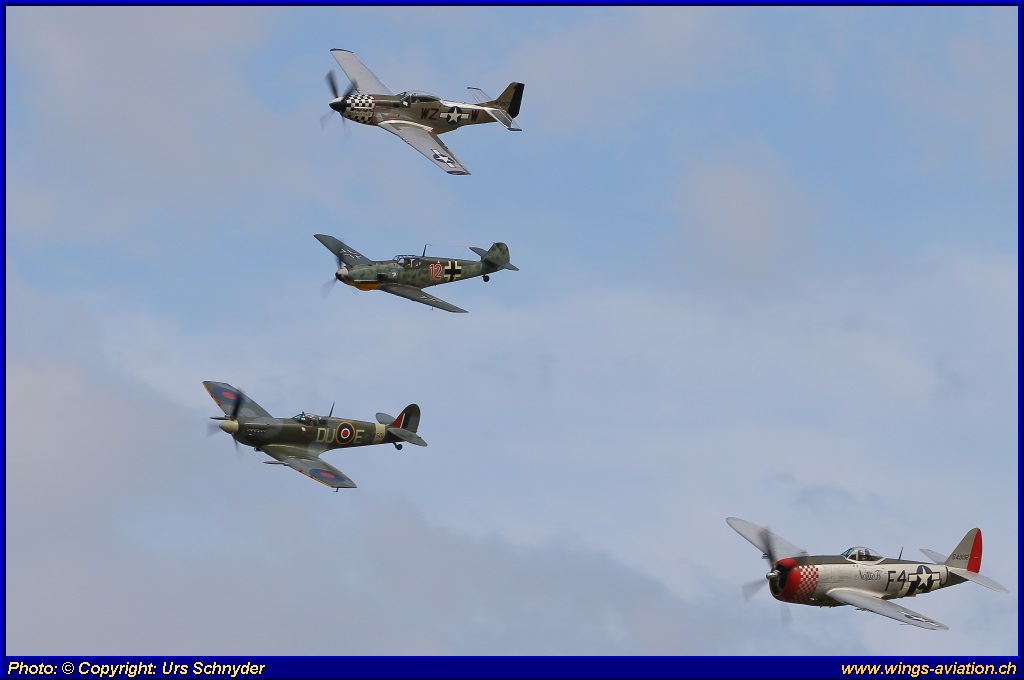
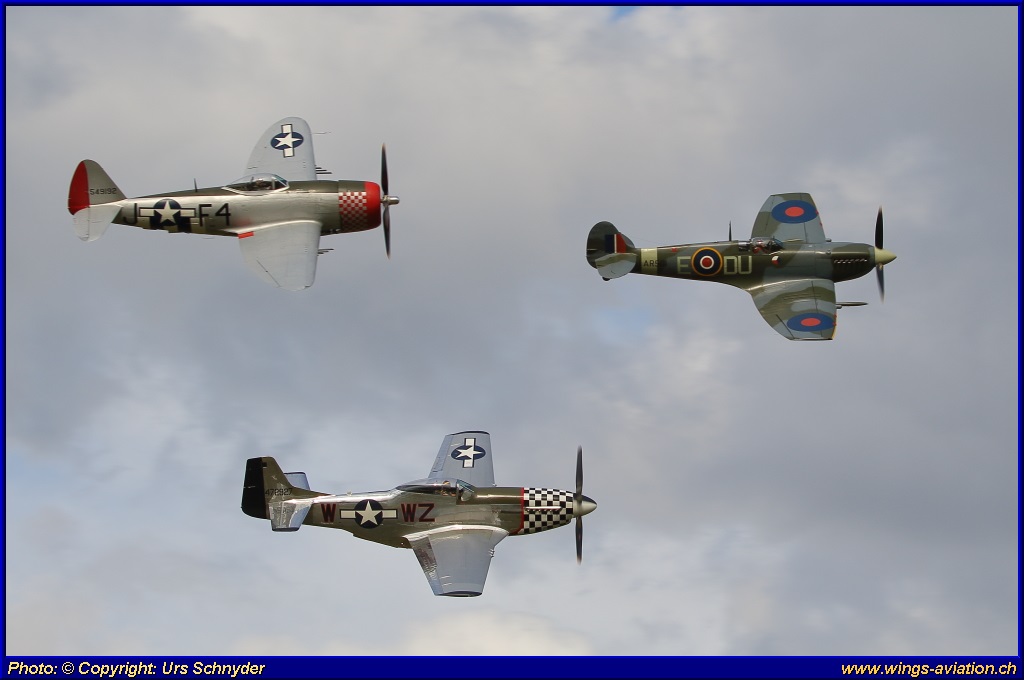
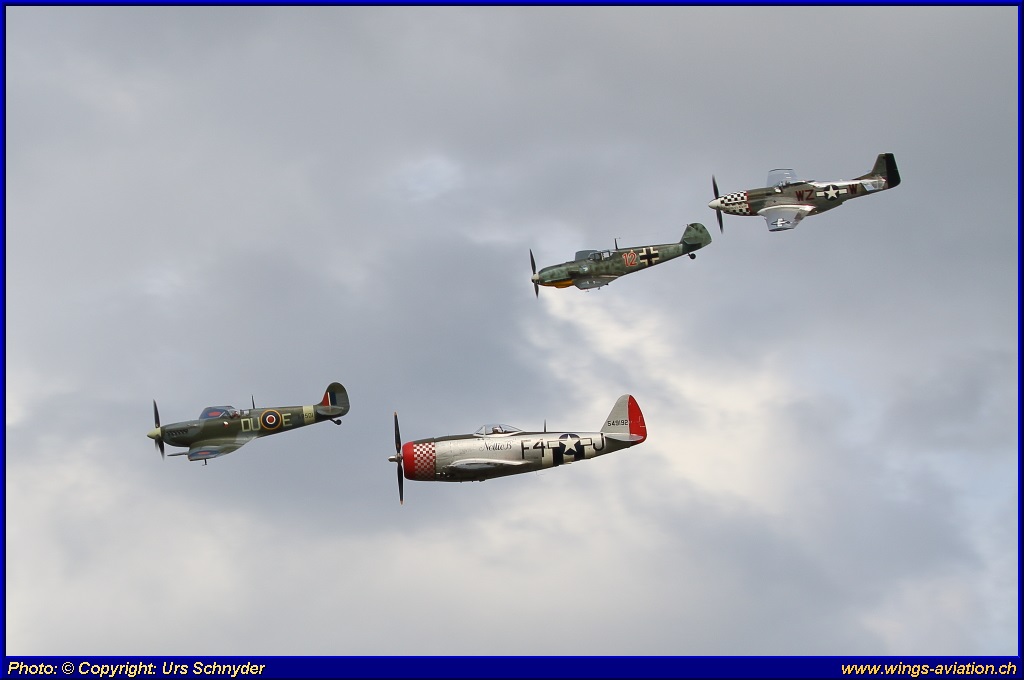
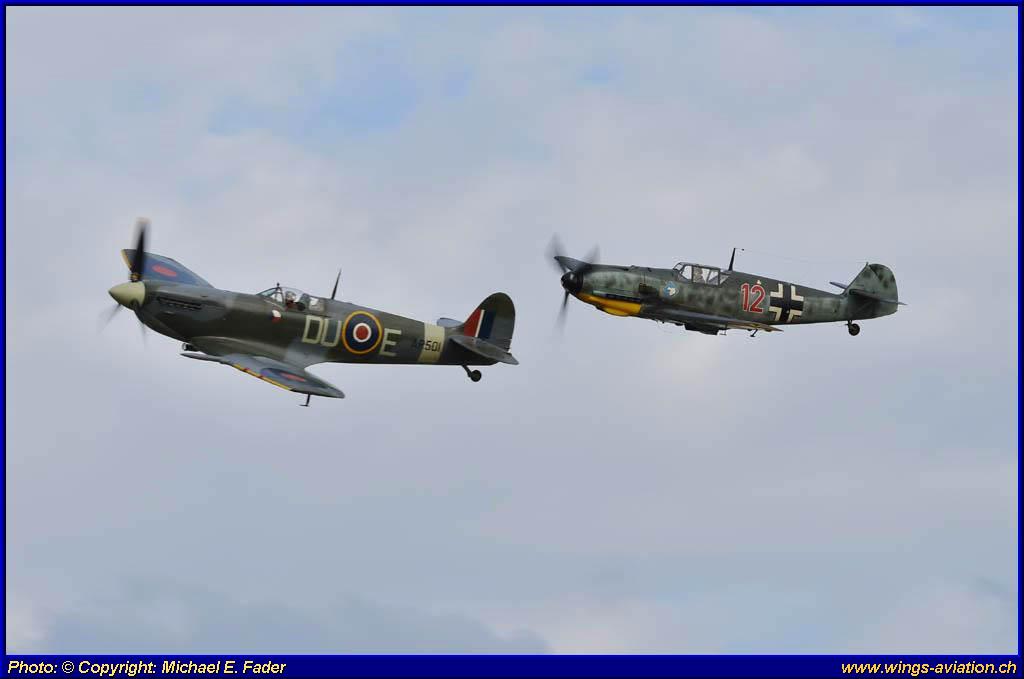
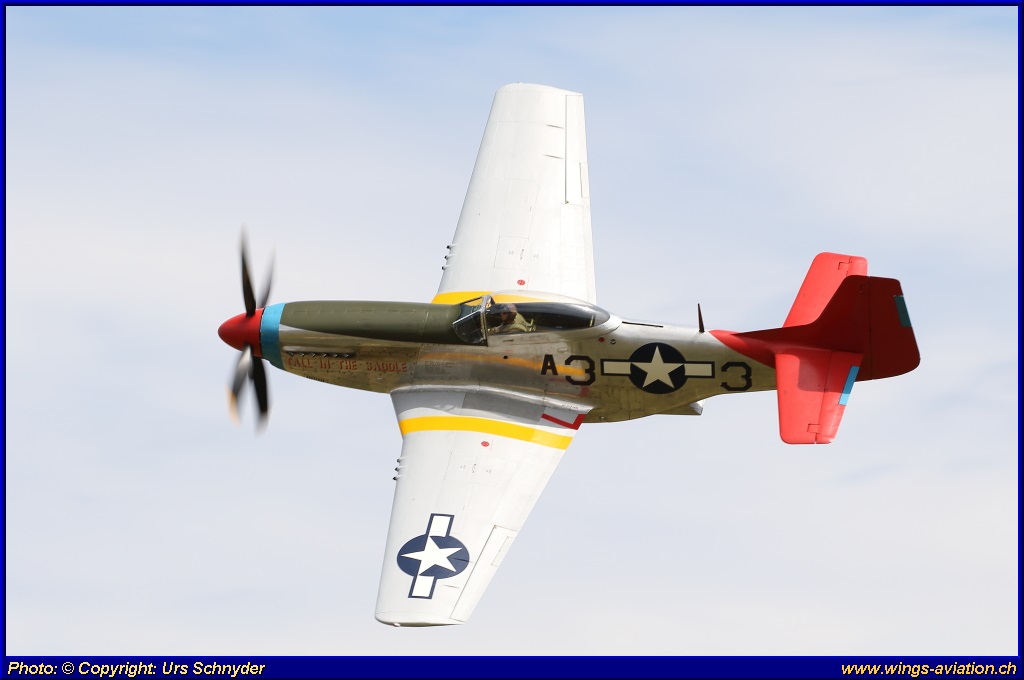
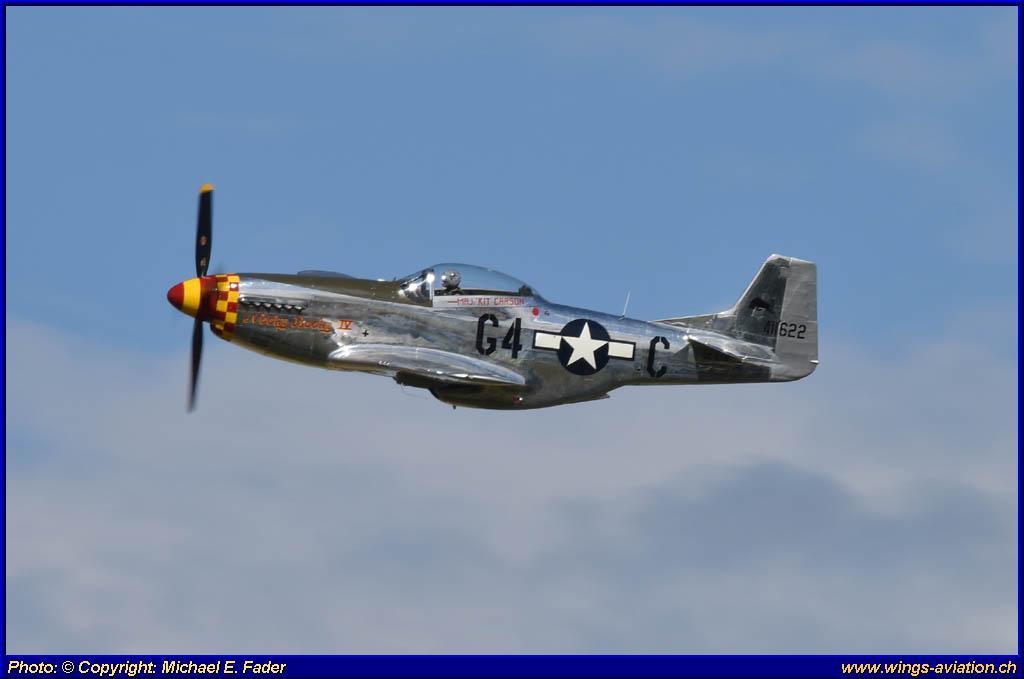
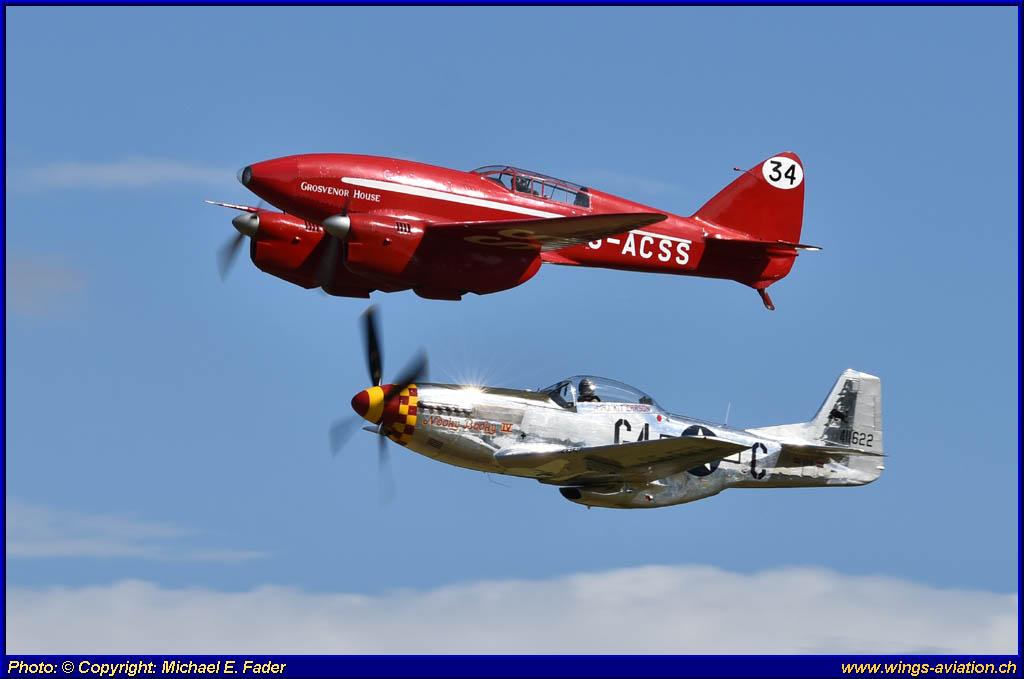
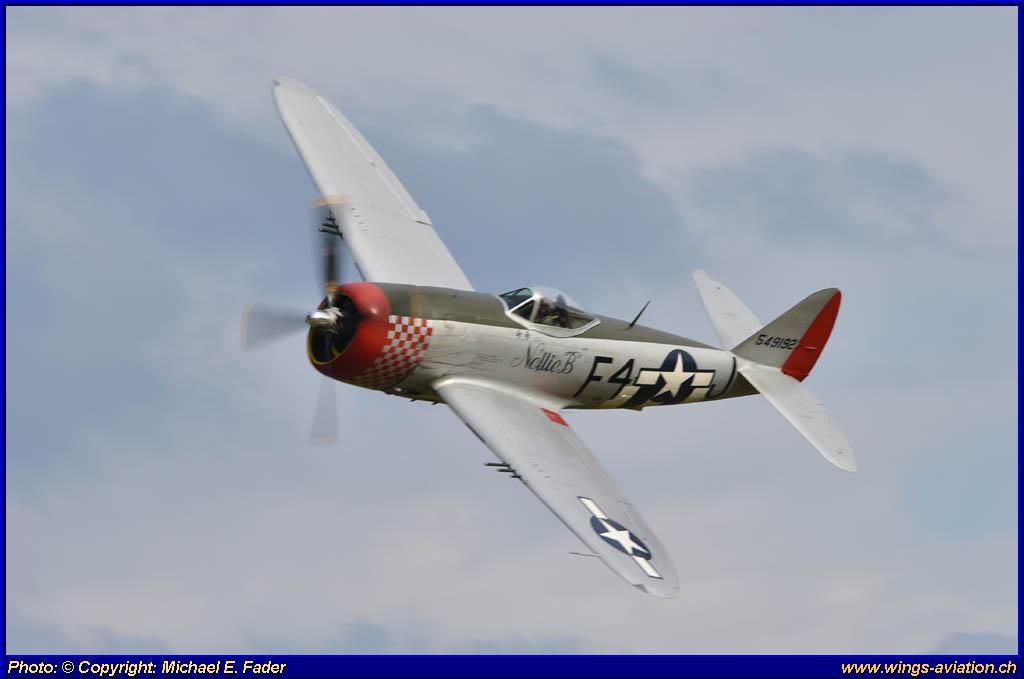
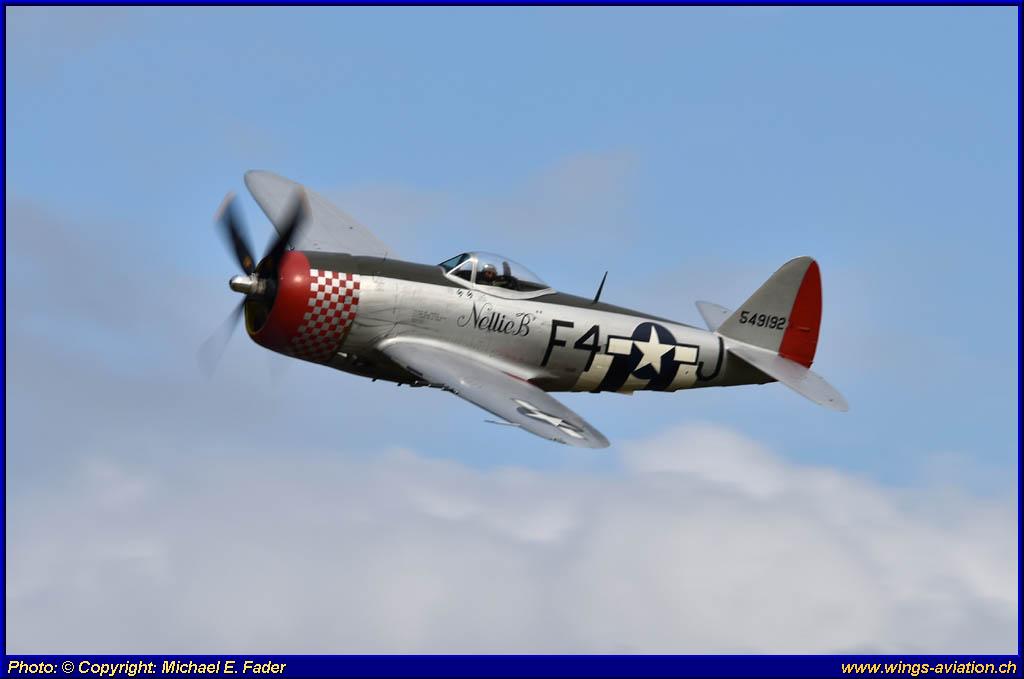
A number of the most significant fighter aircraft of the Second World War were showcased in various parts of the programme. The contrast between the different designs was particularly striking: the Supermarine Spitfire and the North American P-51 Mustang, with their Rolls-Royce Merlin engines, impress with their aerodynamically sleek lines and elegant appearance. The Republic P-47 Thunderbolt, on the other hand, with its powerful Pratt & Whitney R-2800 radial engine, appears considerably more bulky and gives an almost brutal impression.

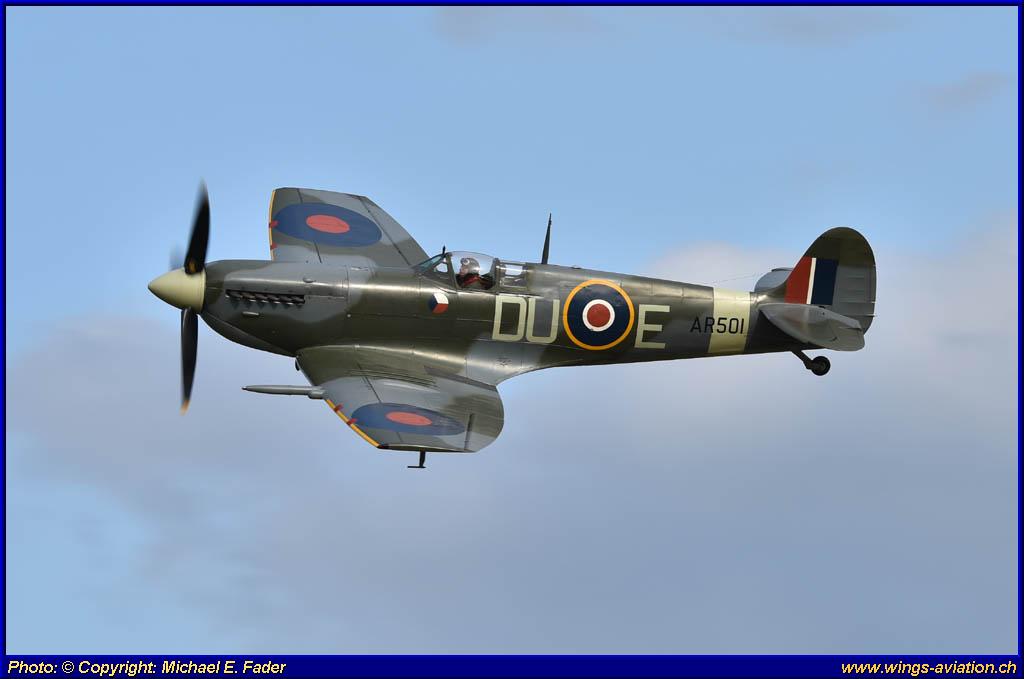
Spitfire LF.Vc G-AWII (Picture courtesy Michael E. Fader)
Spitfire LF.Vc G-AWII (Picture courtesy Michael E. Fader)
(Picture courtesy Michael E. Fader)
(Picture courtesy Urs Schnyder)
(Picture courtesy Urs Schnyder)
(Picture courtesy Urs Schnyder)
(Picture courtesy Urs Schnyder)
(Picture courtesy Michael E. Fader)
North American P-51D Mustang G-SIJJ (Picture courtesy Urs Schnyder)
North American P-51D Mustang F-AZSB (Picture courtesy Michael E. Fader)
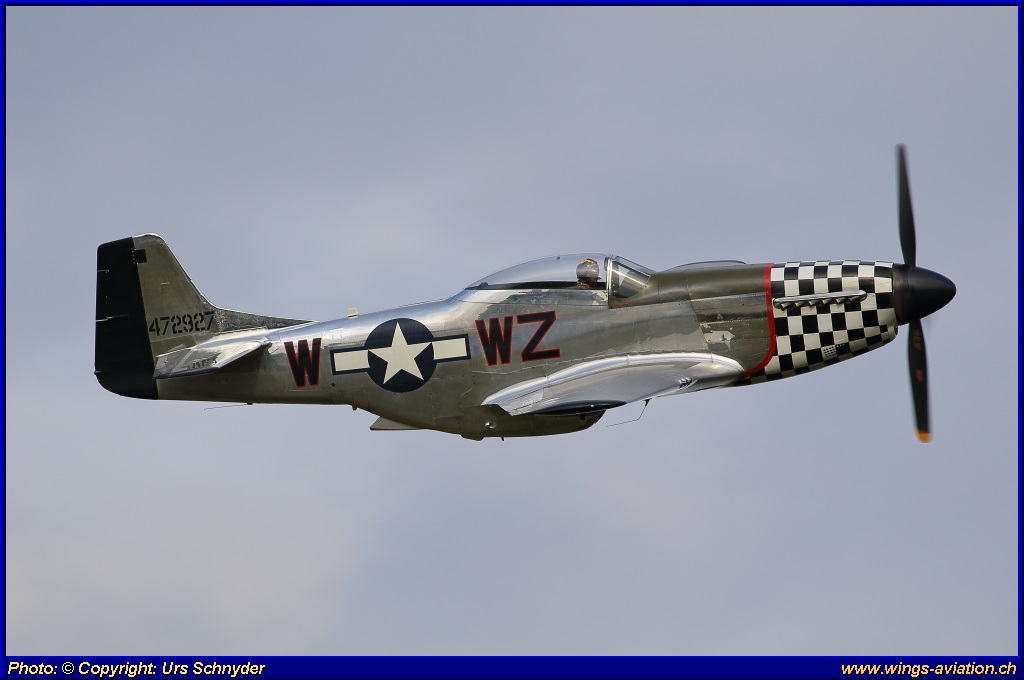

North American P-51D Mustang N51ZW (Picture courtesy Urs Schnyder)
Comet & Mustang (Picture courtesy Michael E. Fader)
Republic P-47D Thunderbolt G-THUN (Picture courtesy Michael E. Fader)
Republic P-47D Thunderbolt G-THUN (Picture courtesy Michael E. Fader)
Republic P-47D Thunderbolt G-THUN (Picture courtesy Michael E. Fader)
Two Avro Ansons
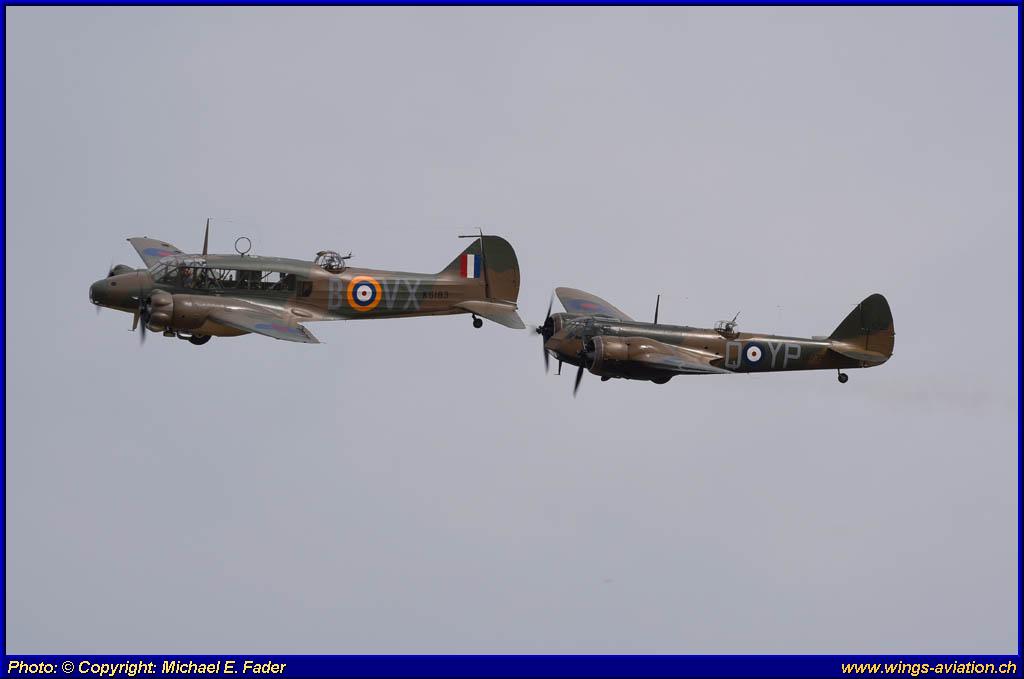
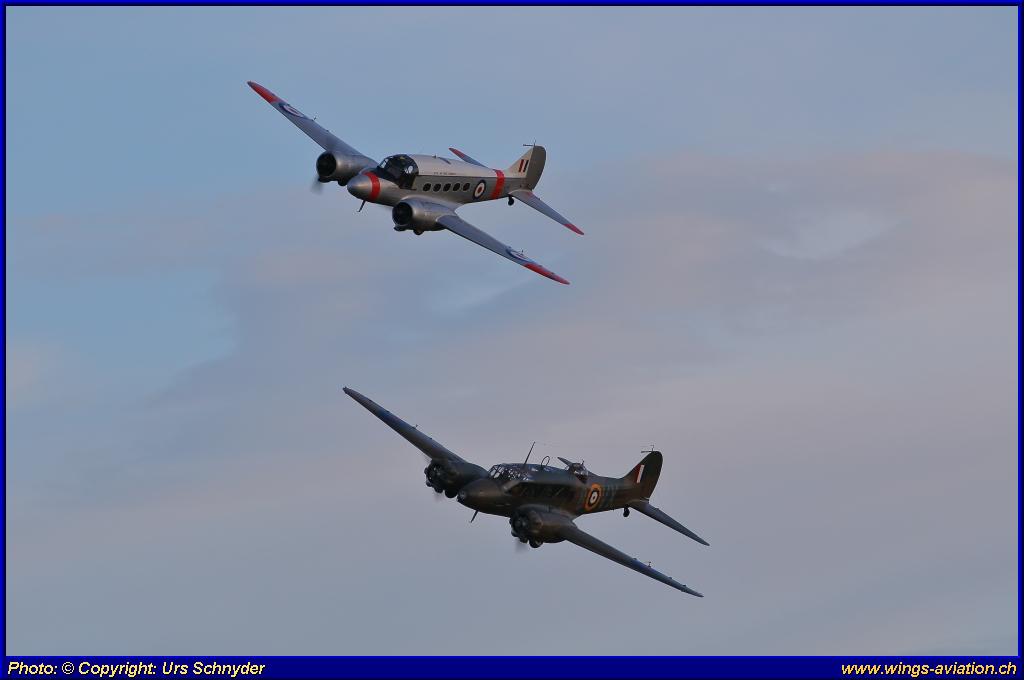
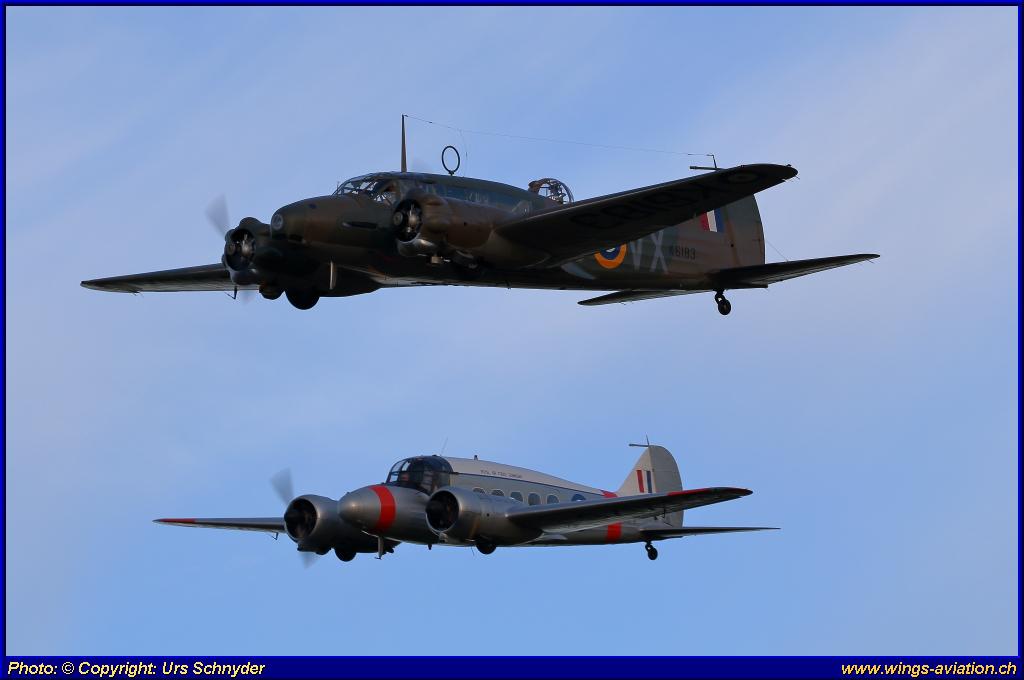
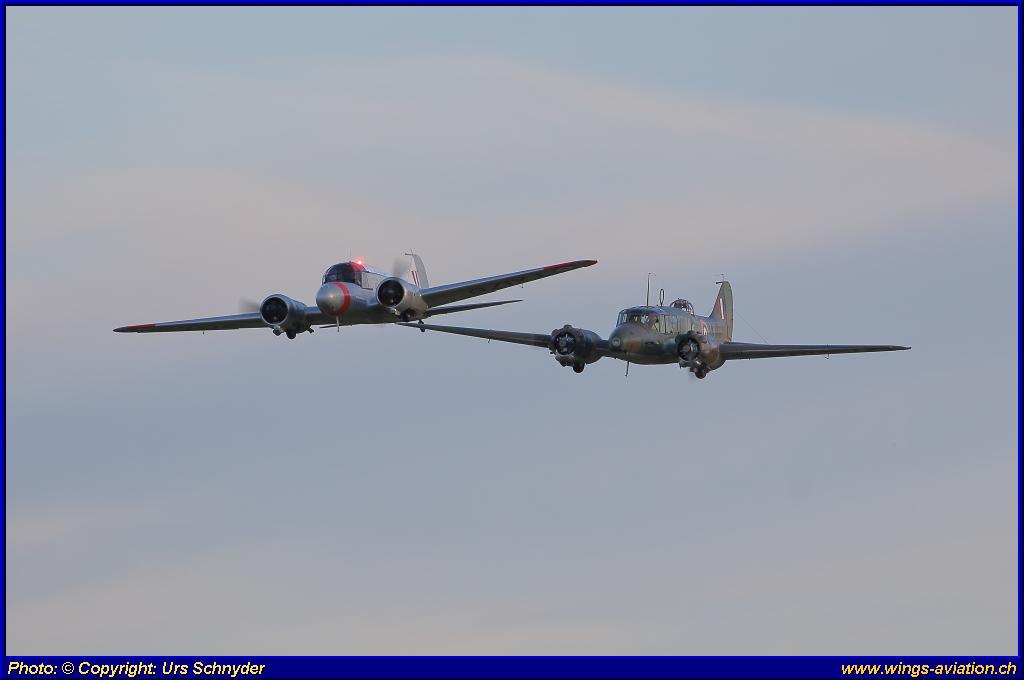
The Avro Anson C19 (G-AHKX) from the Shuttleworth Collection in Old Warden is very well known and can regularly be seen at air shows. In 2026, the only airworthy Avro Anson Mk.I (OO-ANS) was also a guest. On Saturday, both aircraft performed impressive formation flights alongside the Bristol Blenheim Mk.1F (G-BPIV). The Anson Mk.I and the Blenheim represent the early phase of the Second World War. On Sunday, a formation flight featuring the two Anson variants took centre stage in the programme.


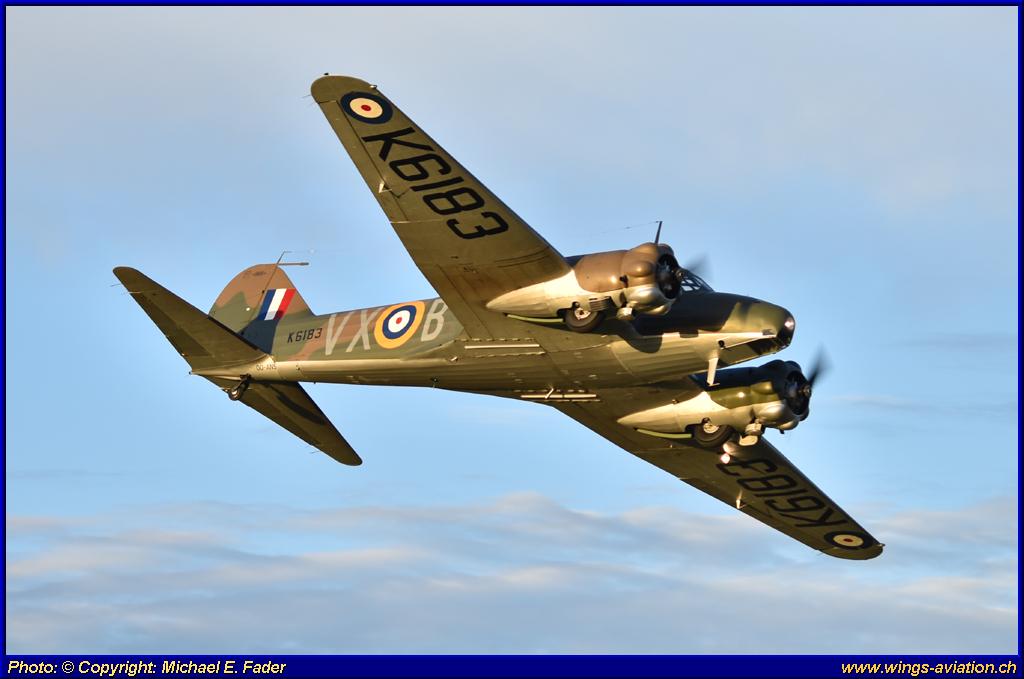

Avro Anson Mk.I OO-ANS (Picture courtesy Michael E. Fader)
Anson & Blenheim (Picture courtesy Michael E. Fader)
Anson & Blenheim (Picture courtesy Michael E. Fader)
Avro Anson Mk.I OO-ANS (Picture courtesy Michael E. Fader)
Avro Anson Mk.I OO-ANS (Picture courtesy Michael E. Fader)
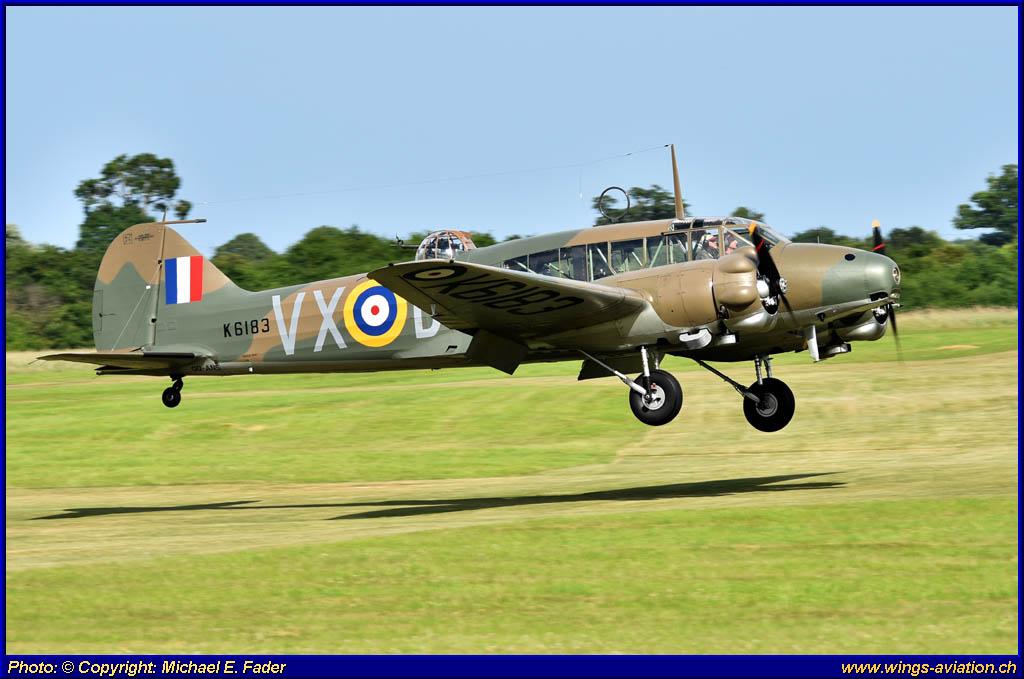

Avro Anson Mk.I OO-ANS (Picture courtesy Michael E. Fader)
Two Ansosns (Picture courtesy Urs Schnyder)
Two Ansosns (Picture courtesy Urs Schnyder)
Two Ansosns (Picture courtesy Urs Schnyder)
Two Ansosns (Picture courtesy Urs Schnyder)
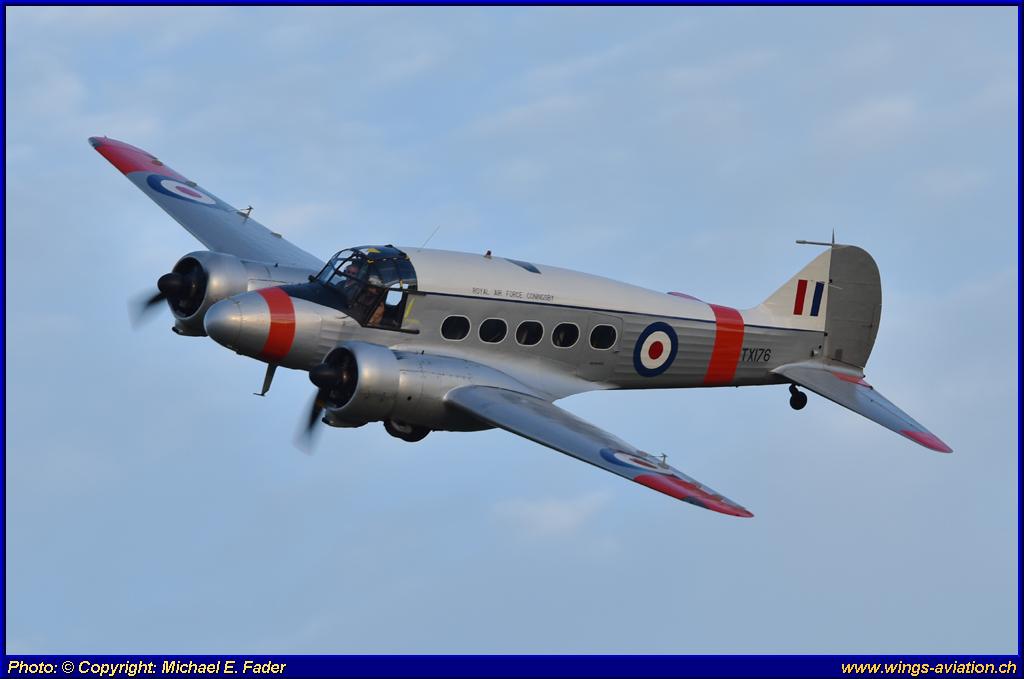
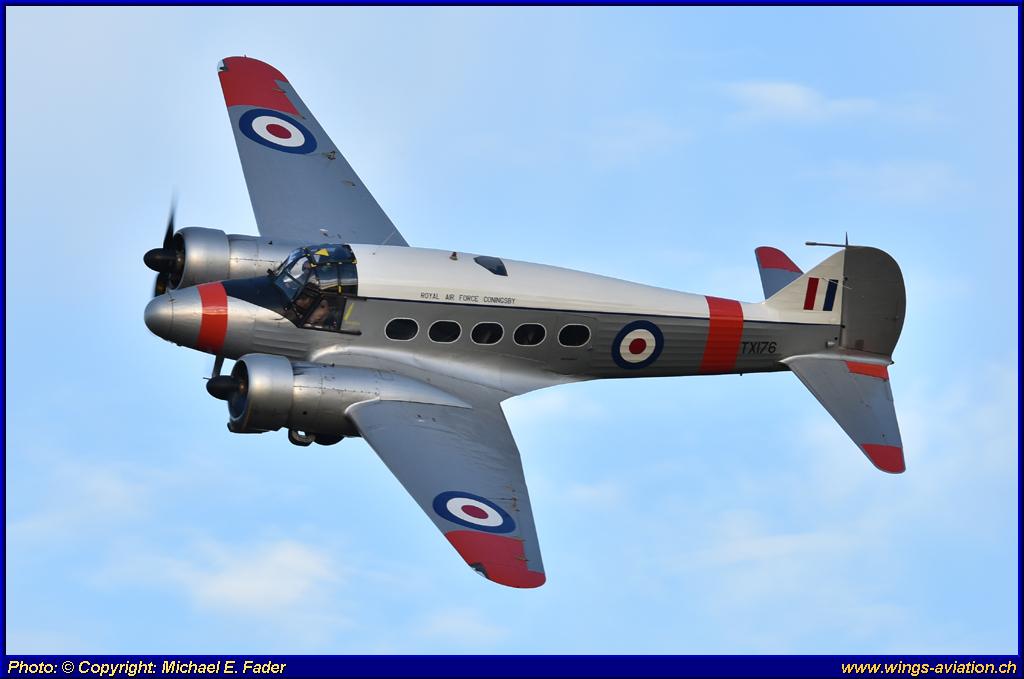

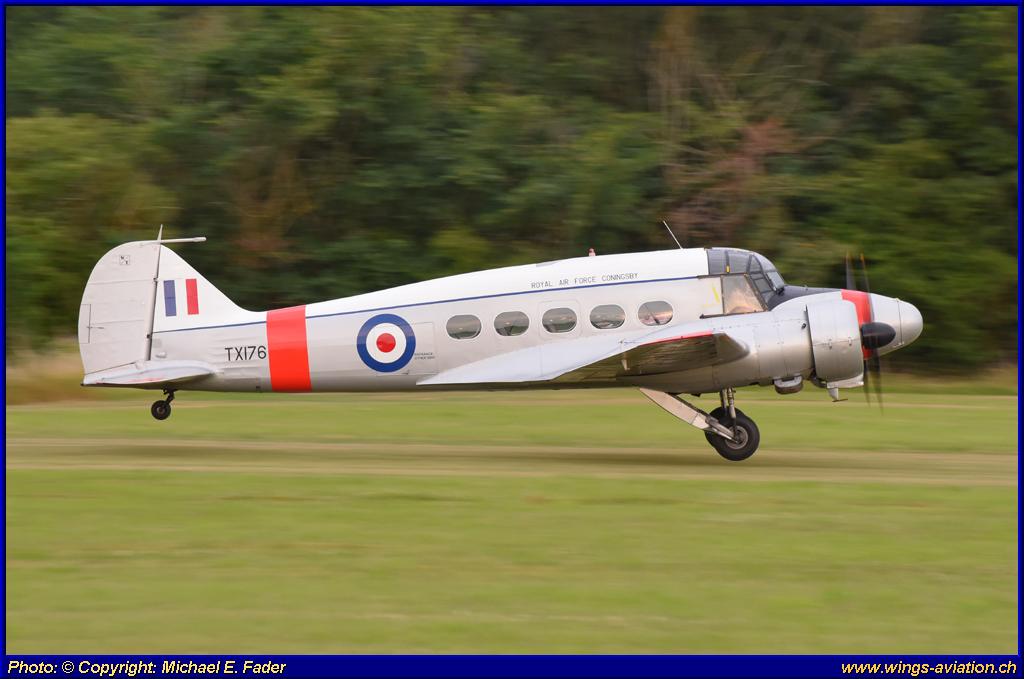
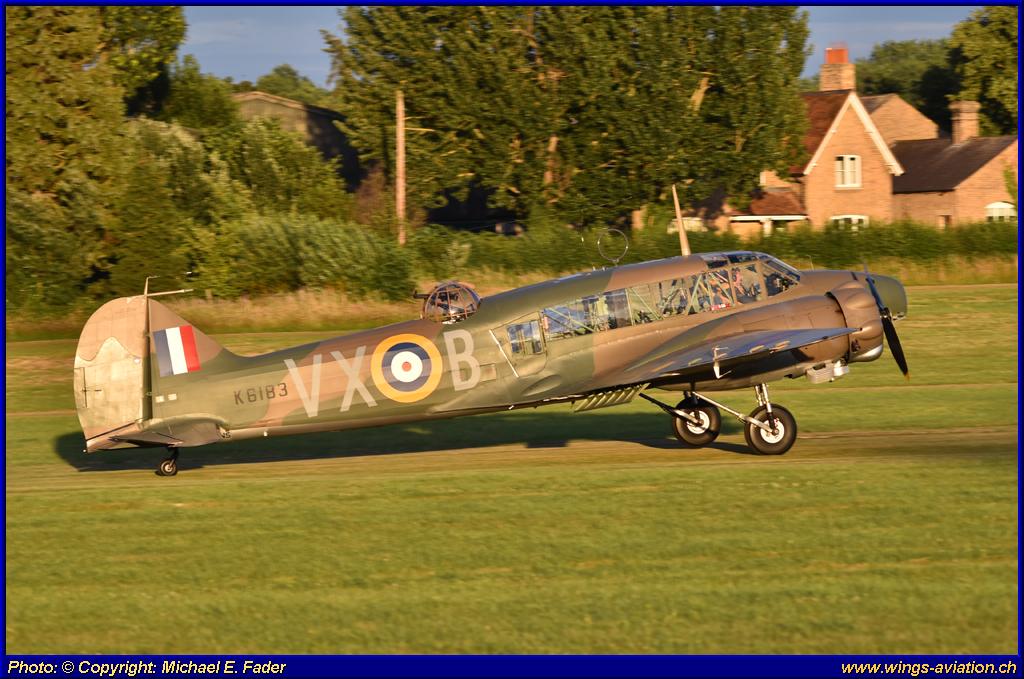
Avro Anson C19 G-AHKX (Picture courtesy Michael E. Fader)
Avro Anson C19 G-AHKX (Picture courtesy Michael E. Fader)
Avro Anson C19 G-AHKX (Picture courtesy Michael E. Fader)
Avro Anson C19 G-AHKX (Picture courtesy Michael E. Fader)
Avro Anson Mk.I OO-ANS (Picture courtesy Michael E. Fader)
RAF Typhoon
Flight Lieutenant Tom Nation of the Typhoon Display Team gave an impressive demonstration of what a modern fourth-generation multi-role fighter is capable of. Flying the high-performance Eurofighter Typhoon FGR4, he thrilled the audience with a spectacular aerobatic display. This performance was one of only a few jet displays at the Festival of Flight Air Show. The only other jet aircraft in the flight programme was a BAC Jet Provost.
Flight Lieutenant Tom Nation is a member of No. 29 Squadron at RAF Coningsby and flew aircraft ZK325. This is a standard Typhoon FGR4 which – contrary to popular belief – has not been specially modified for aerobatics or display purposes, but is in its standard operational configuration.
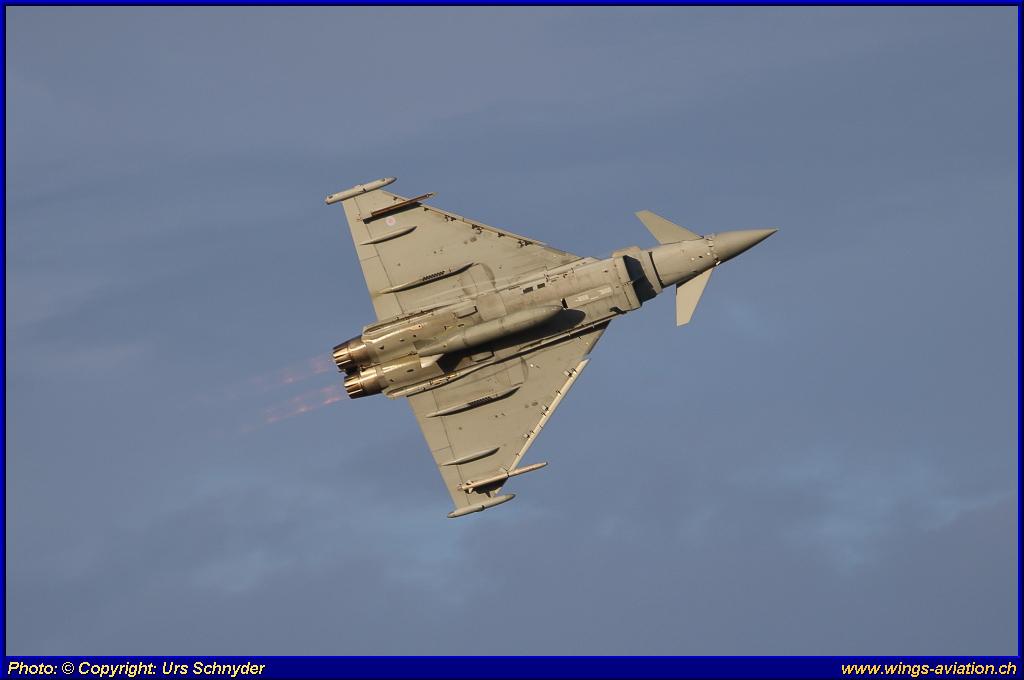
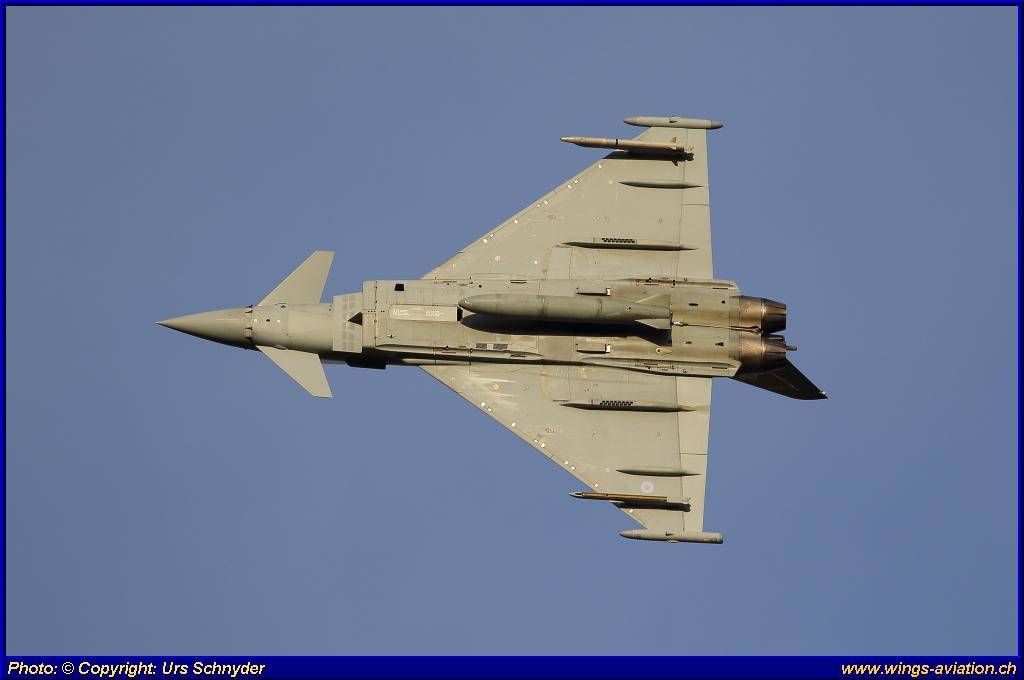
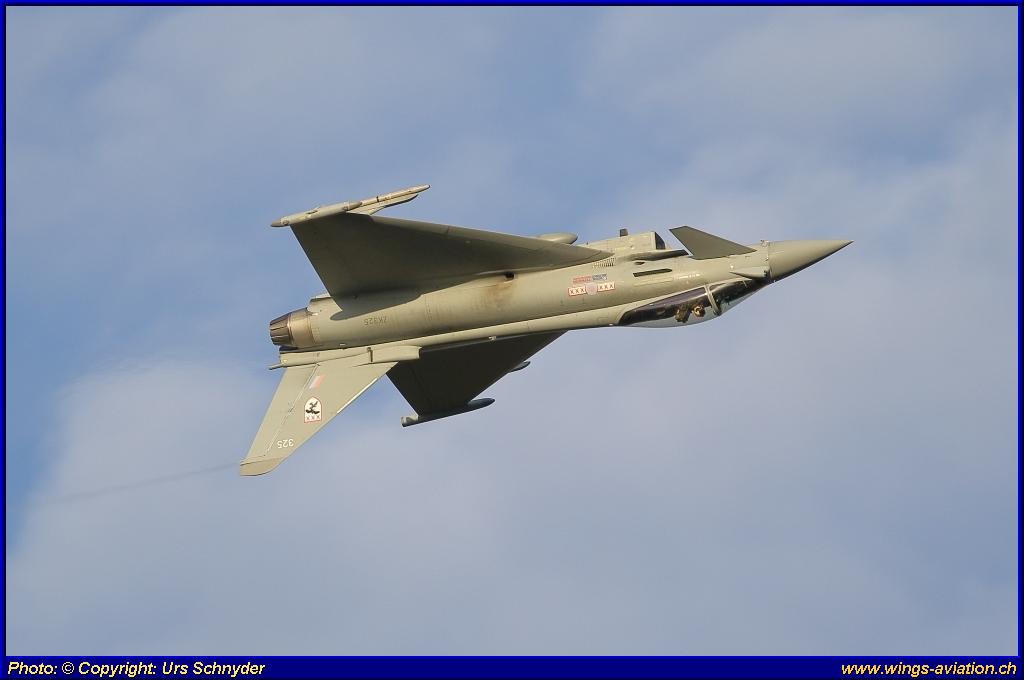
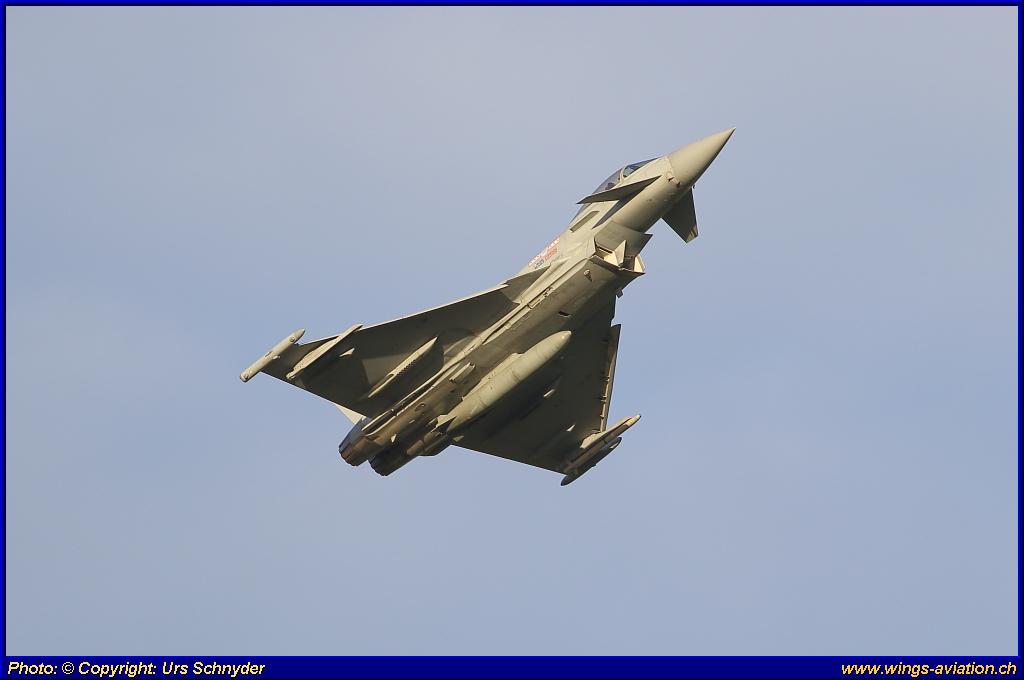
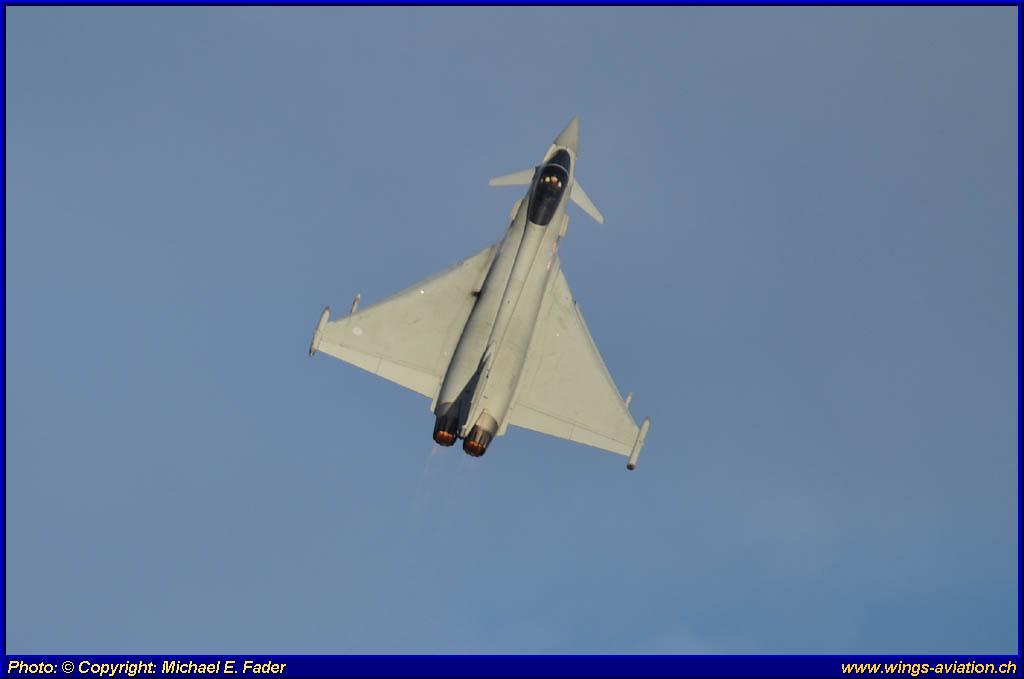
Eurofighter Typhoon FGR.4 ZK325 (Picture courtesy Urs Schnyder)
Eurofighter Typhoon FGR.4 ZK325 (Picture courtesy Urs Schnyder)
Eurofighter Typhoon FGR.4 ZK325 (Picture courtesy Urs Schnyder)
Eurofighter Typhoon FGR.4 ZK325 (Picture courtesy Urs Schnyder)
Eurofighter Typhoon FGR.4 ZK325 (Picture courtesy Michael E. Fader)
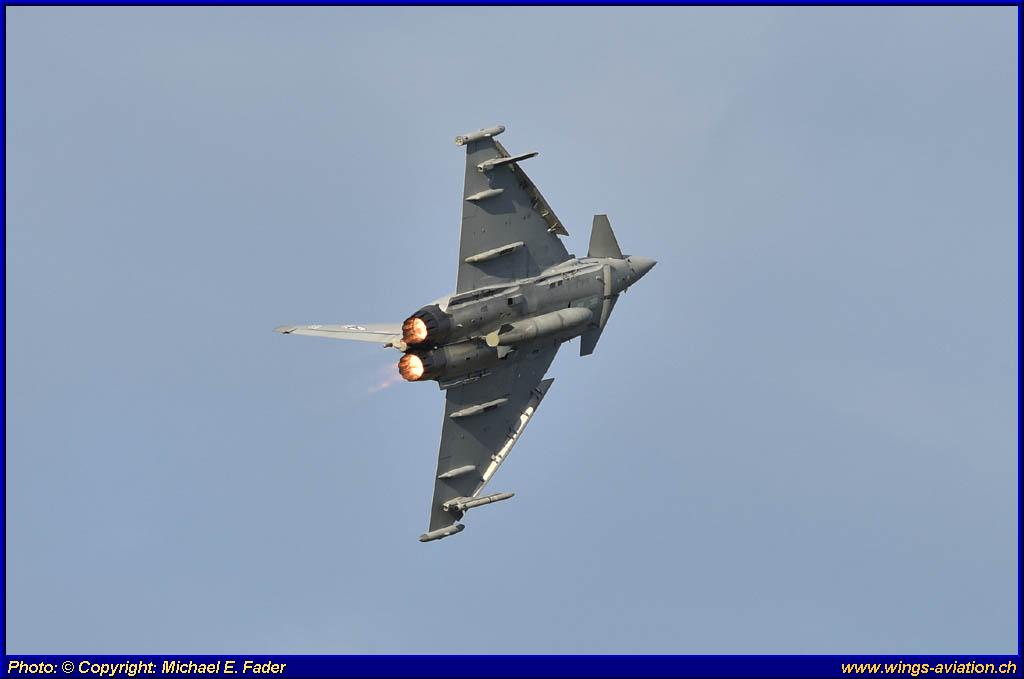
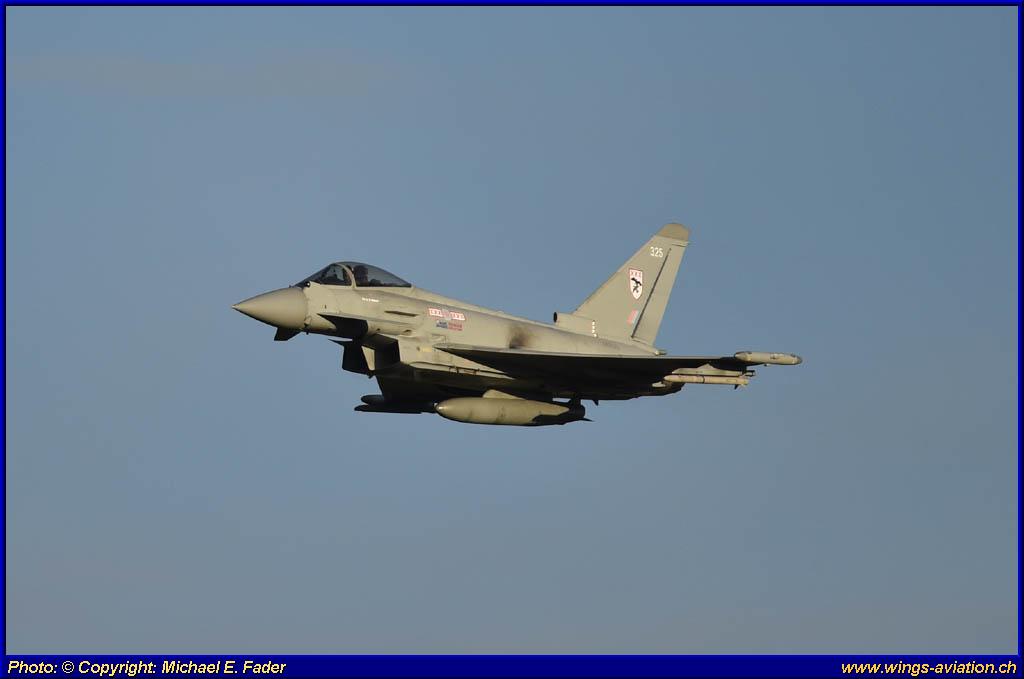
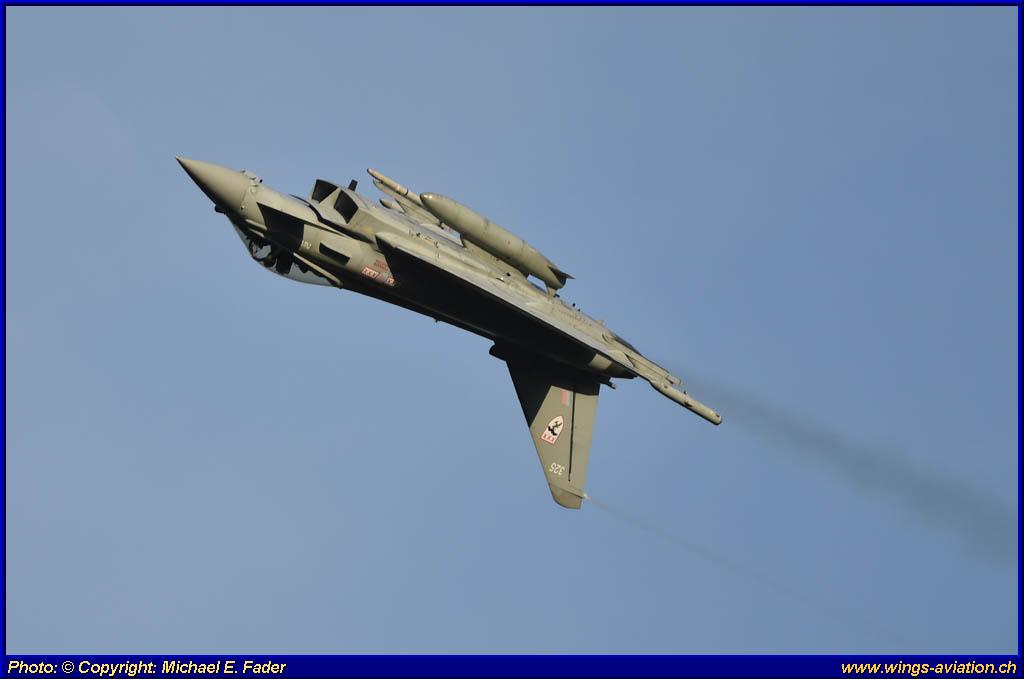
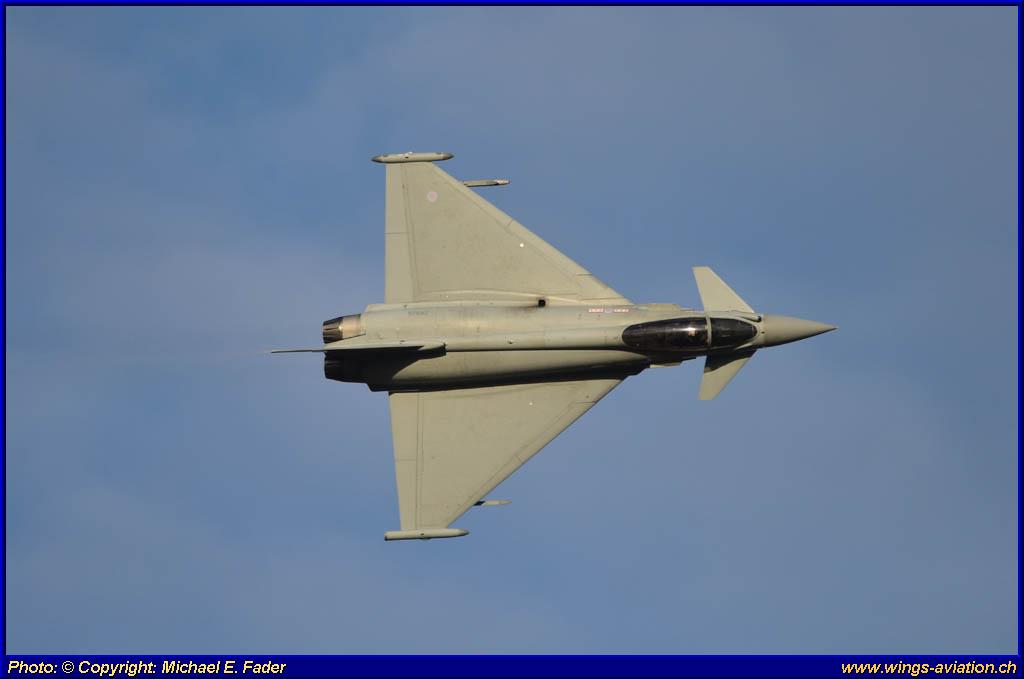
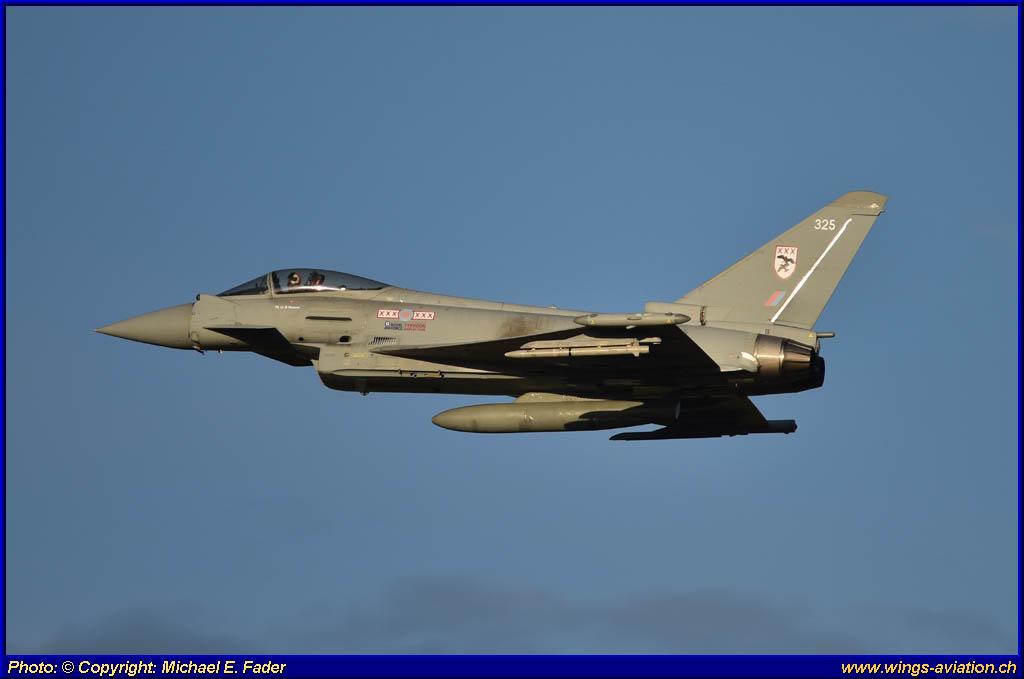
Eurofighter Typhoon FGR.4 ZK325 (Picture courtesy Michael E. Fader)
Eurofighter Typhoon FGR.4 ZK325 (Picture courtesy Michael E. Fader)
Eurofighter Typhoon FGR.4 ZK325 (Picture courtesy Michael E. Fader)
Eurofighter Typhoon FGR.4 ZK325 (Picture courtesy Michael E. Fader)
Eurofighter Typhoon FGR.4 ZK325 (Picture courtesy Michael E. Fader)
Red Bull
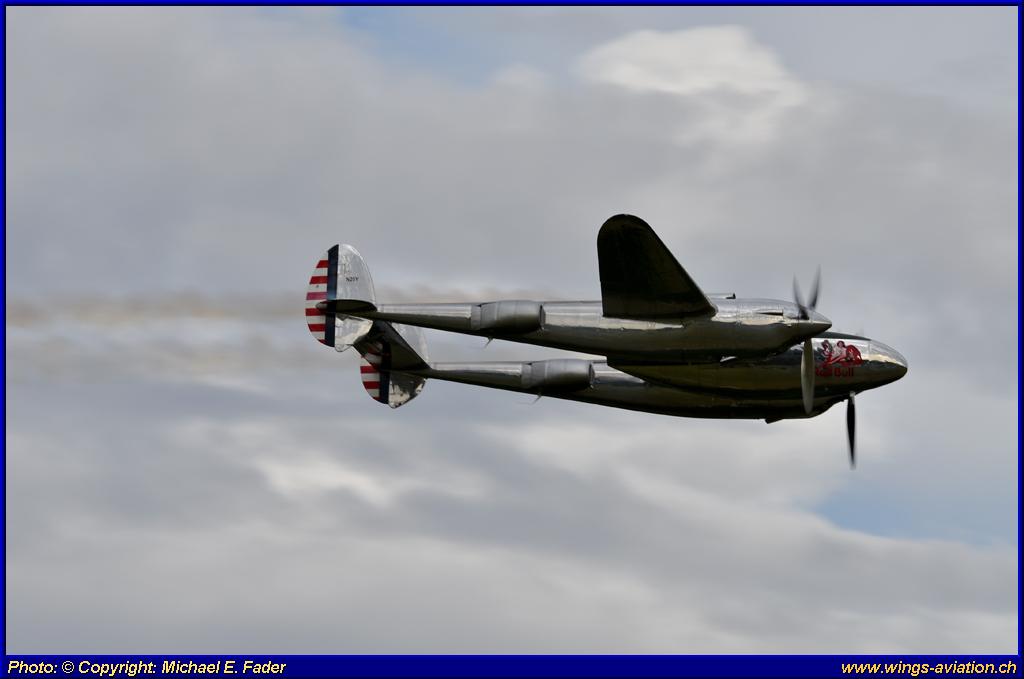
The Red Bull Team from Salzburg was represented at the Festival of Flight Air Show with several aircraft. They operated from IWM Duxford, and not all the aircraft landed at Old Warden. The display began with a formation flight involving all four aircraft together. The formation was led by the North American B-25J Mitchell, with the North American P-51D Mustang and the Vought F4U-4 Corsair flying on the left and right respectively. Bringing up the rear was the Lockheed P-38L Lightning. This formation was deliberately chosen so that the most powerful aircraft, the Lockheed P-38L Lightning, would bring up the rear. This was followed by individual displays by the aircraft.
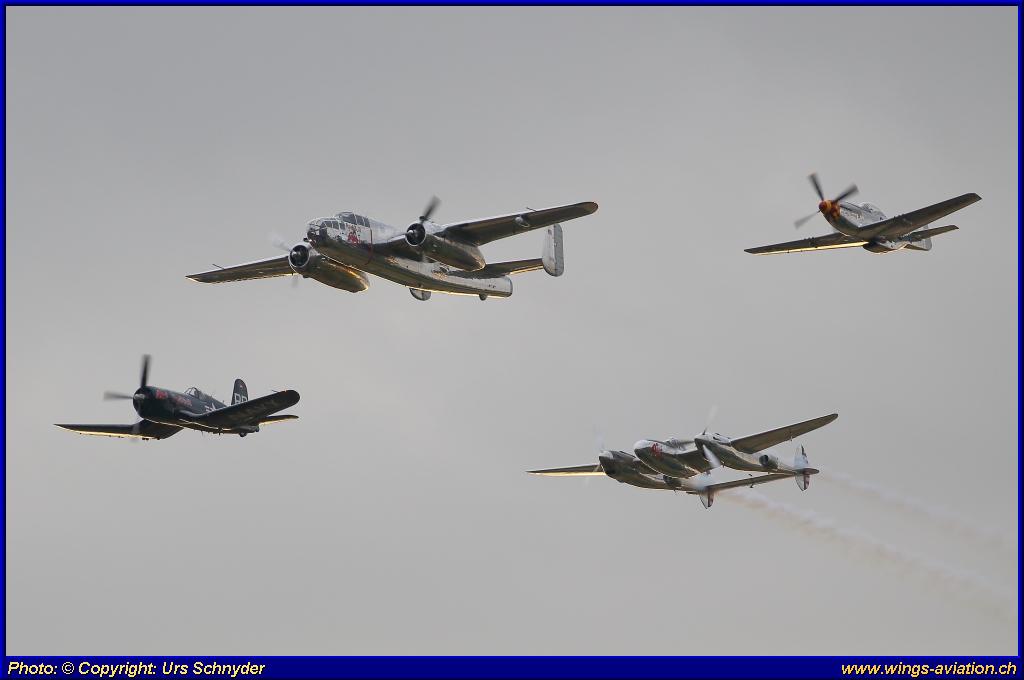


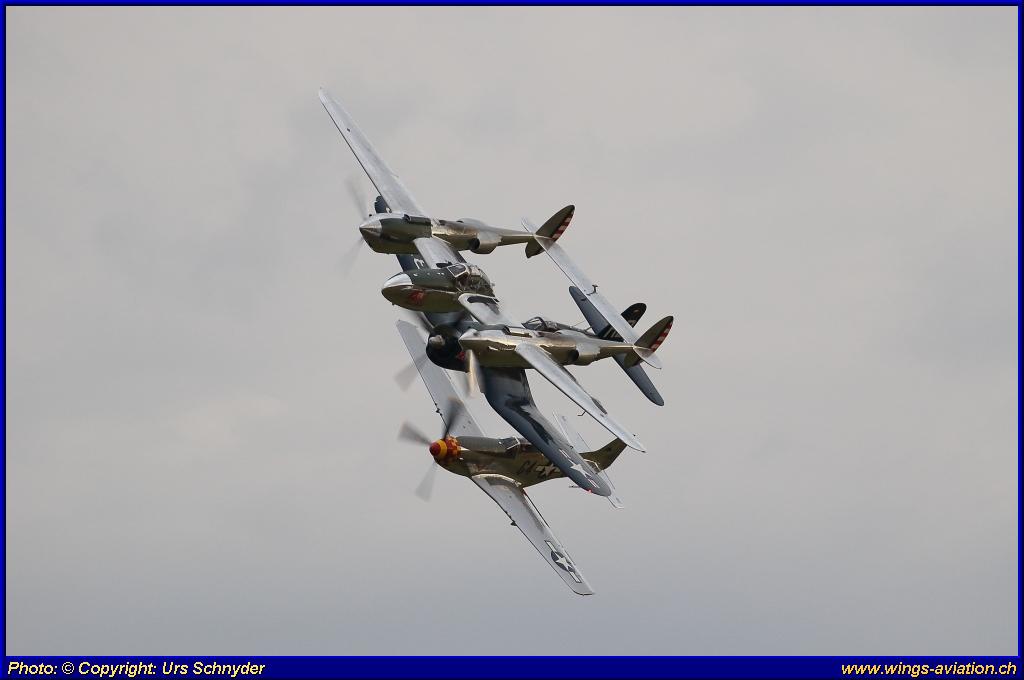
The Red Bull Team (Picture courtesy Urs Schnyder)
The Red Bull Team (Picture courtesy Urs Schnyder)
The Red Bull Team (Picture courtesy Urs Schnyder)
The Red Bull Team (Picture courtesy Michael E. Fader)
The Red Bull Team (Picture courtesy Urs Schnyder)
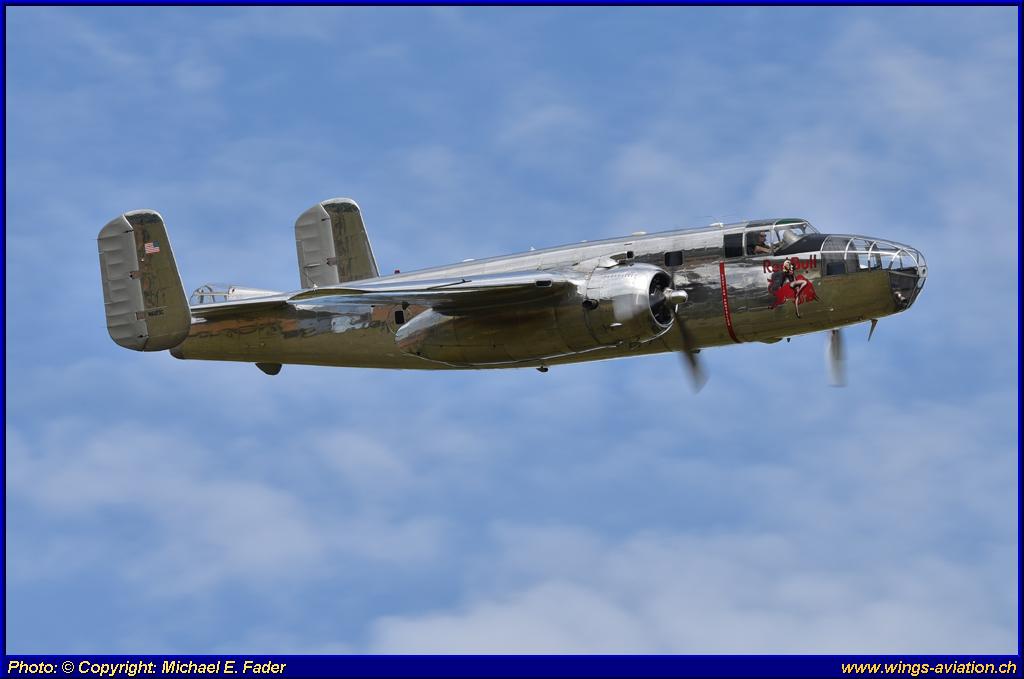
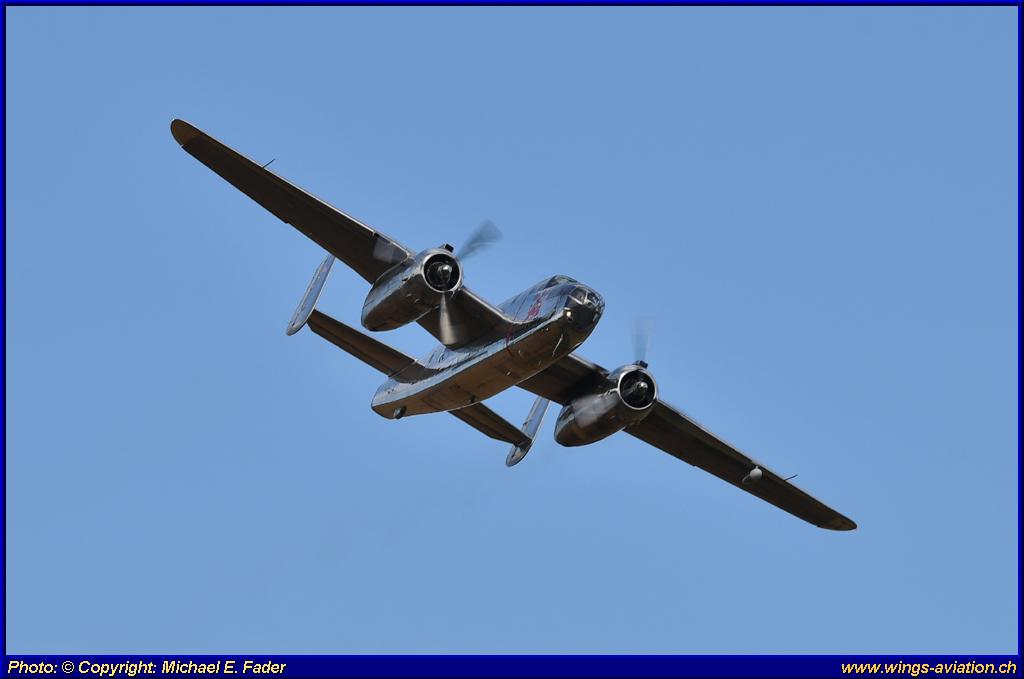
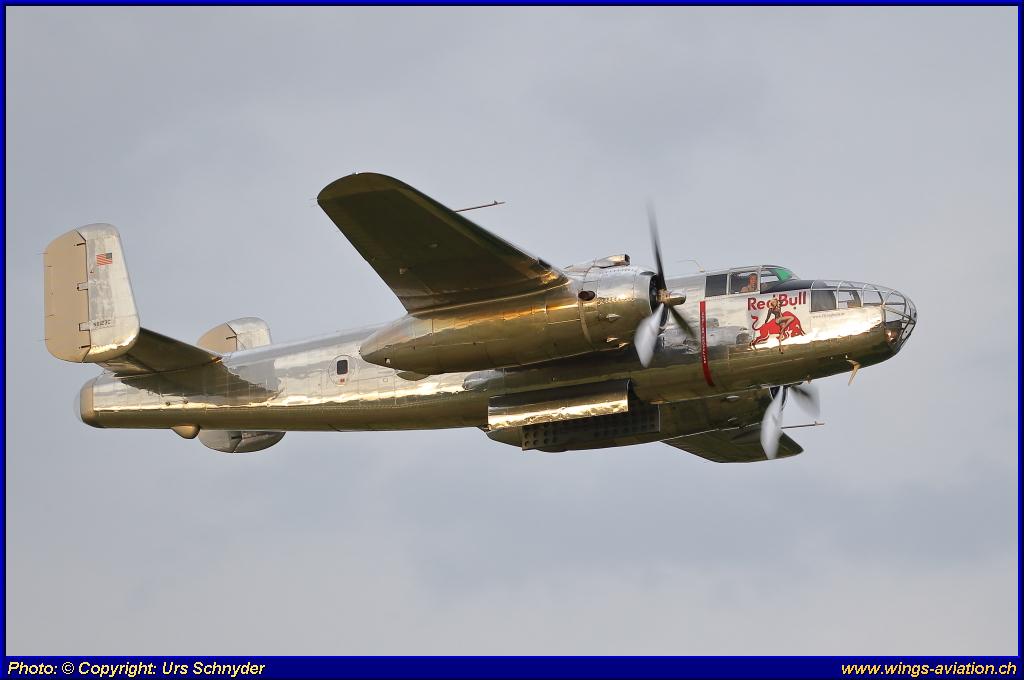

North American B-25J Mitchell N6123C (Picture courtesy Michael E. Fader)
North American B-25J Mitchell N6123C (Picture courtesy Michael E. Fader)
North American B-25J Mitchell N6123C (Picture courtesy Urs Schnyder)
Lockheed P-38L Lightning N25Y (Picture courtesy Michael E. Fader)
Lockheed P-38L Lightning N25Y (Picture courtesy Michael E. Fader)
The evening
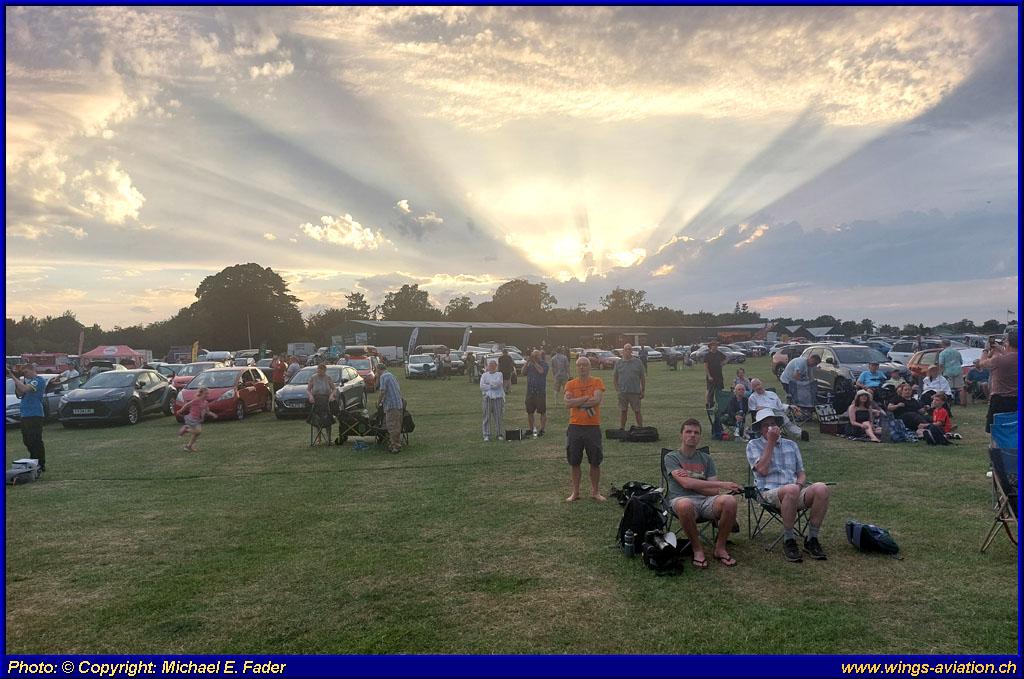
As was the case last year, the flying programme finished at 6.30 pm, but this was merely a break during which visitors could grab a bite to eat at one of the many stalls. The food on offer ranged from burgers to Indian and Asian cuisine. Unfortunately, the queues during the break were quite long.
At 8.00 pm, the evening part of the flight programme began. The weather was on our side again this year, and the sun shone until late into the evening. However, the organisers had to rearrange this evening’s programme, as the wind, which was quite gusty, meant that the ‘Edwardians’ – that is, the very old aircraft from before the Great War – were unable to fly.
The programme was nonetheless very appealing, as two racing aeroplanes provided a worthy substitute.
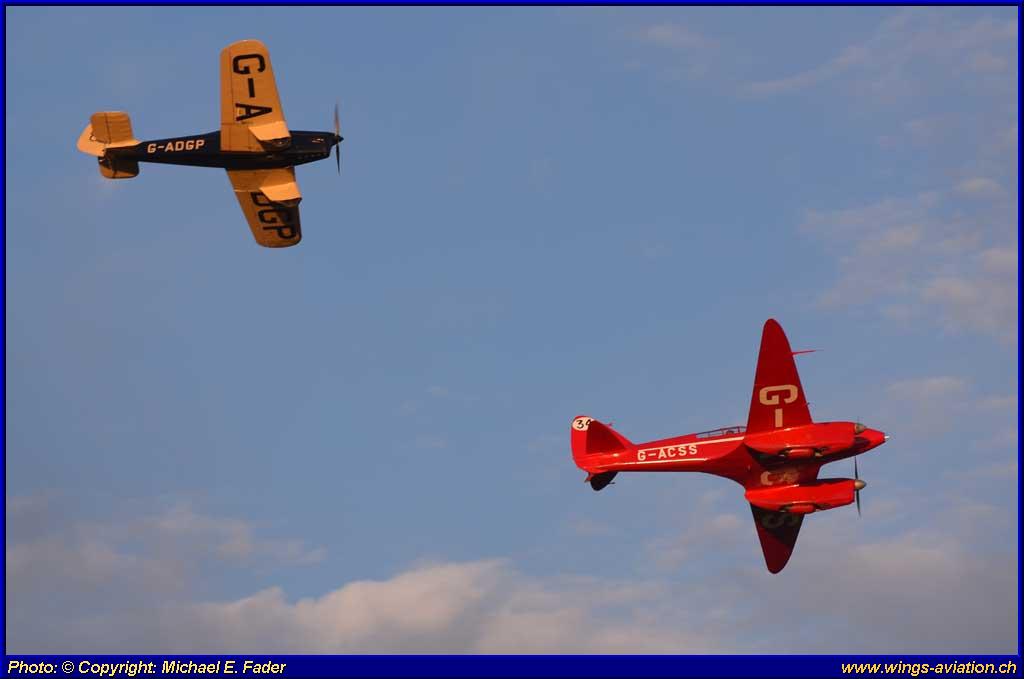

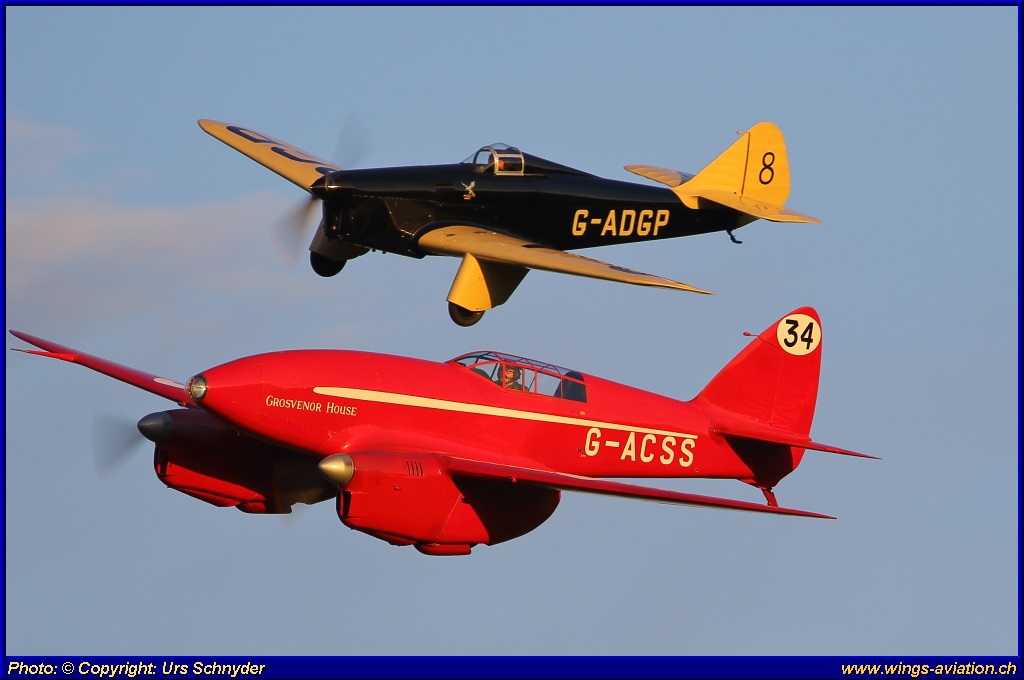
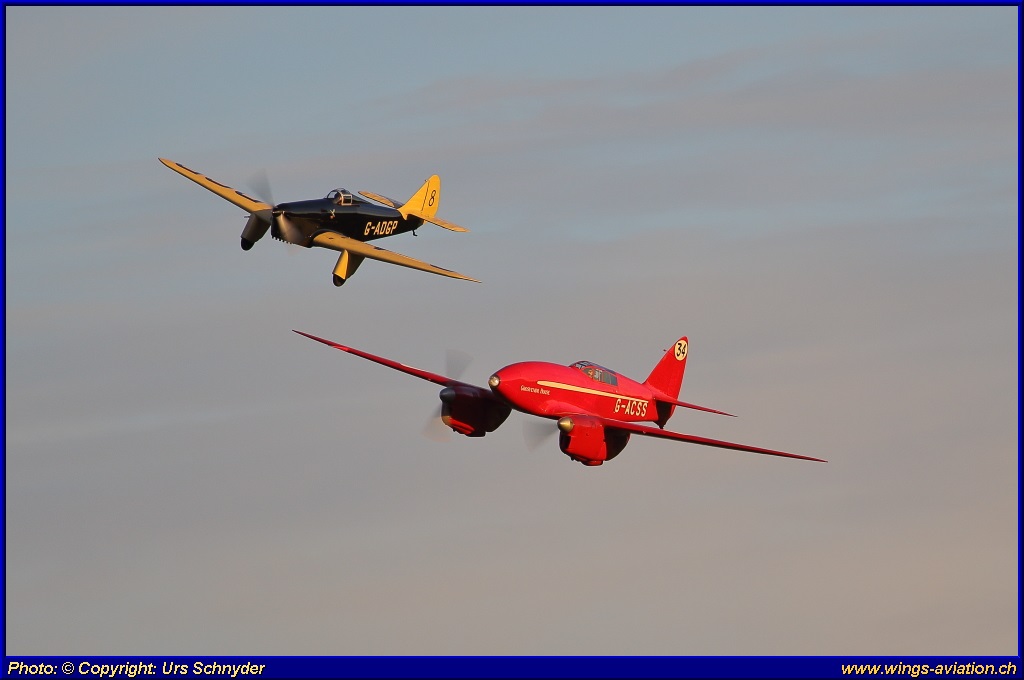
(Picture courtesy Michael E. Fader)
(Picture courtesy Michael E. Fader)
(Picture courtesy Michael E. Fader)
(Picture courtesy Urs Schnyder)
(Picture courtesy Urs Schnyder)
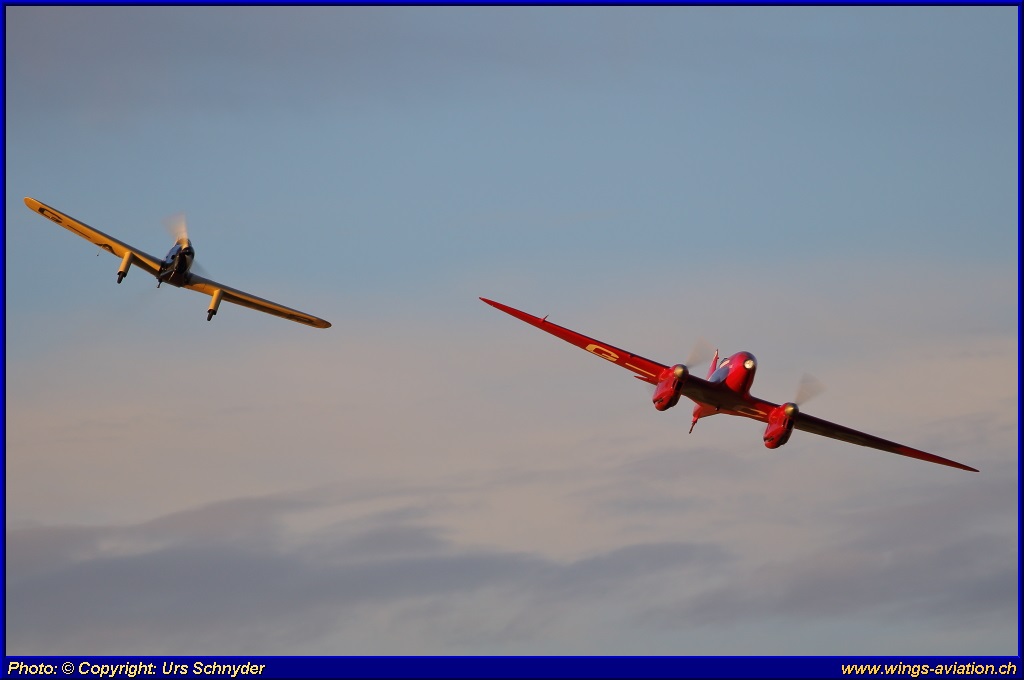


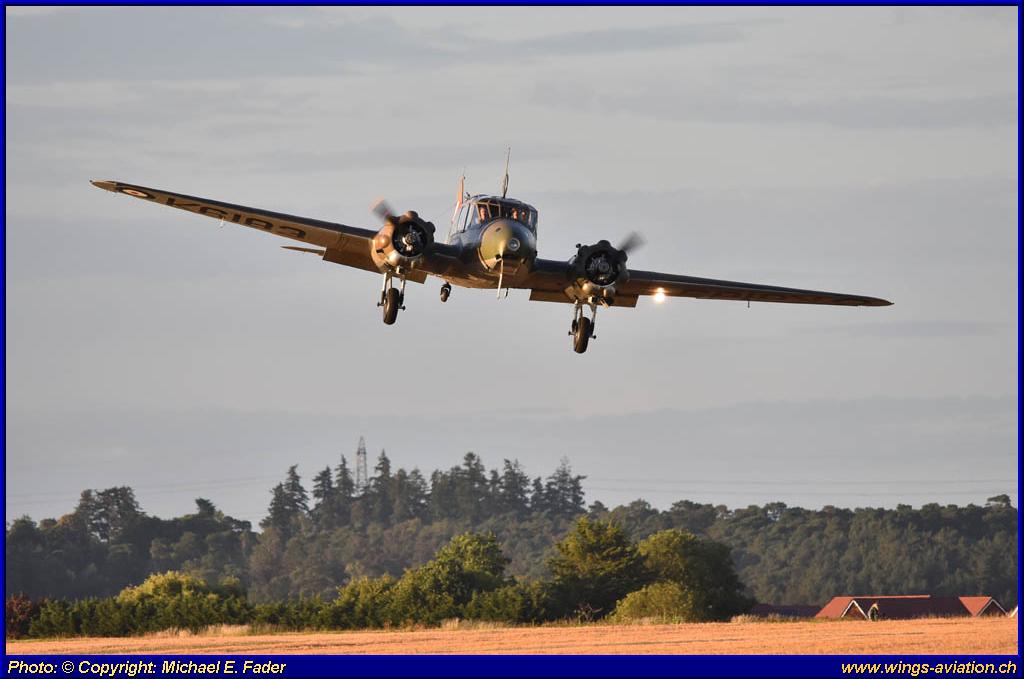
(Picture courtesy Urs Schnyder)
(Picture courtesy Urs Schnyder)
(Picture courtesy Michael E. Fader)
(Picture courtesy Michael E. Fader)
(Picture courtesy Michael E. Fader)


